For many families, the first SUV purchase is driven by practicality: space, safety ratings, and a price that feels responsible. Yet as everyday routines evolve—school runs, late‑night airport pickups, weekend escapes—families often discover that the most meaningful features are not always listed in the headline specs. They are the subtle, deeply considered details that quietly turn a vehicle into a sanctuary on wheels. This is where a truly family‑centric SUV distinguishes itself, not through spectacle, but through quiet, thoughtful excellence.
Below, we explore five exclusive insights that help discerning families look beyond the obvious and toward the refined features that elevate every journey.
Insight 1: Cabin Architecture as a Calming Influence
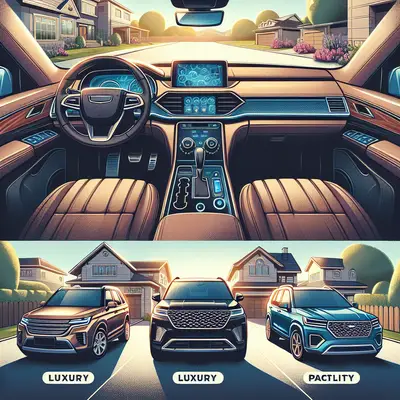
A genuinely family‑friendly SUV begins with cabin architecture that feels intuitive, not overwhelming. The layout of the dashboard, the height of the beltline, and the slope of the windshield all influence how serene—or chaotic—the cabin feels when everyone is aboard.
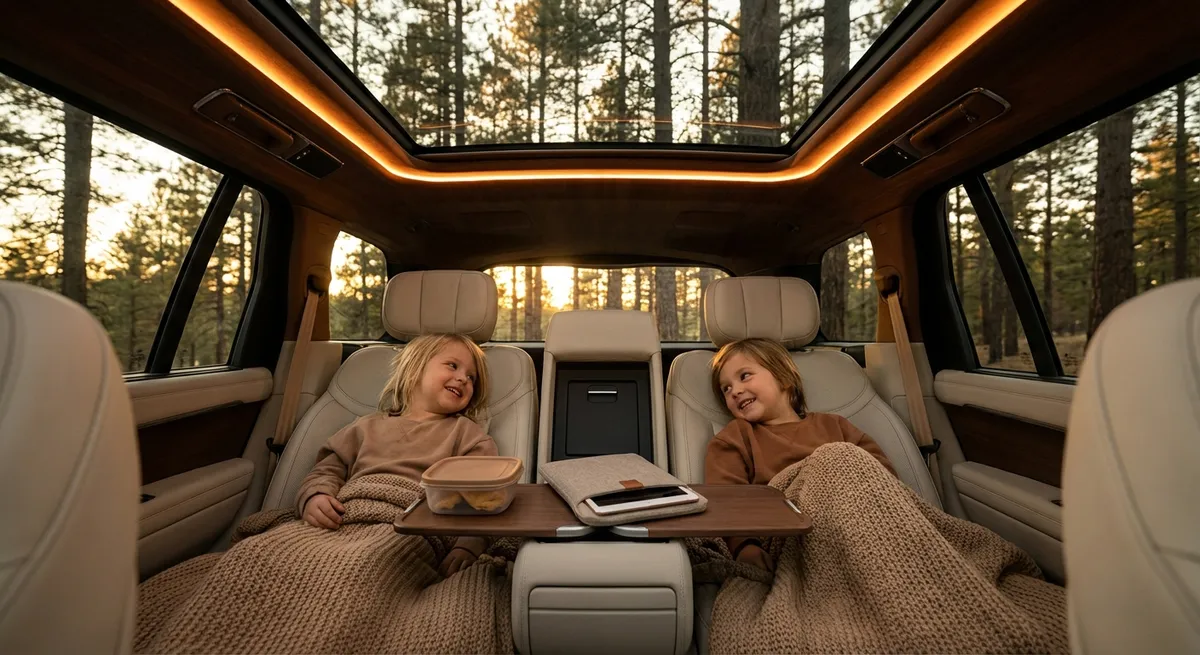
Premium family SUVs increasingly adopt a “calm-first” design philosophy: clean sightlines that reduce visual clutter, low-glare materials on the dash, and subtly sculpted seating positions that afford every passenger a sense of personal space. Thoughtful details such as elevated second-row seating, generous side glass, and slim roof pillars foster visibility for children and adults alike, reducing motion discomfort and the “boxed-in” sensation that can trigger tension on longer journeys.
When evaluating an SUV, families should sit in each row with the doors closed and simply observe the ambience: Is the view outward expansive? Are there hard edges where knees and elbows naturally rest? Does the cabin lighting feel considered or merely decorative? The refinement of the architecture often reveals how deeply a manufacturer has contemplated life with children in the back.
Insight 2: Acoustic Serenity as a Daily Luxury
Noise is the unseen adversary of family harmony. Wind gusts, tire roar on imperfect pavement, and the drone of traffic all accumulate into a fatigue that no spec sheet can fully articulate. Sophisticated family SUVs treat acoustic refinement as a primary comfort feature, not an afterthought.
Look for laminated front glass, extensive door sealing, and underbody insulation designed to mute road texture. Some manufacturers integrate active noise cancellation systems, using microphones and speakers to counteract specific frequencies within the cabin. The result is less raised voices, fewer “I can’t hear you” moments, and more relaxed conversations—even when the highway is busy and the weather less than ideal.
A premium family SUV should also consider the acoustics of interaction: can the driver naturally speak to passengers in the third row without turning around? In certain models, “cabin talk” systems gently project the driver’s voice to rear speakers, a subtle feature that dramatically lowers the strain of orchestrating family life from behind the wheel. When test‑driving, turn off the audio system and simply listen. The absence of agitation in the soundscape is its own luxury.
Insight 3: Climate Control Designed for Real Families, Not Showrooms
True climate comfort in an SUV extends far beyond “dual-zone” headlines. Families benefit most from systems that allow genuinely independent control for each row, with vents positioned precisely where real passengers sit—especially younger ones in child seats.
Truly family-conscious models offer tri‑zone or four‑zone climate control, with dedicated rear controls mounted where children or caregivers can adjust them easily. Ceiling‑mounted vents can provide gentle airflow without blasting a child’s face, while floor‑level vents help maintain warmth on winter school runs. High‑end models may pair this with smart filtration systems capable of reducing pollen, particulates, and urban pollutants, turning the cabin into a cleaner breathing space during commutes.
For discerning families, pay close attention to how quickly the cabin reaches a comfortable temperature, how intuitive the controls feel for rear passengers, and whether the vehicle offers remote pre-conditioning—cooling the car before you strap in a sleeping infant on a sweltering afternoon, or gently warming the interior before a frosty early-morning departure. This is climate as care, not just climate as technology.
Insight 4: Intelligent Storage That Respects Beautifully Lived‑In Lives
The most compelling family SUVs are those that understand a simple truth: families travel with lives in progress, not neatly packed suitcases. Strollers, musical instruments, hockey bags, science projects, week’s groceries—these are not accessories; they are the texture of real life.
Look for cargo areas with low load-in heights, flat floors, and configurable spaces that genuinely support both everyday errands and holiday departures. Deep underfloor storage bins can discreetly secure valuables or contain sandy shoes after a beach afternoon. Some models provide adjustable load floors that level the space when the third row is folded, creating an elegant, uninterrupted surface for bulkier items.
Inside the cabin, premium family SUVs prioritize “invisible organization”: drawers integrated into the second row, seatback-mounted storage that doesn’t intrude on legroom, and properly sized door bins that accommodate reusable water bottles and family essentials without rattling. When you test a vehicle, bring your actual gear—a stroller, sports bag, or instrument case—and see how it fits. A thoughtfully designed SUV will accept your life gracefully, not begrudgingly.
Insight 5: Seamless Tech That Enhances, Rather Than Distracts
Technology in family SUVs can either foster calm connectivity or amplify distraction. The most elegant solutions are those that feel almost invisible in use. Wireless smartphone integration, for instance, should connect reliably without a choreography of cables and confirmations. USB‑C ports distributed across rows should be ample and strategically placed so that devices can charge out of the way, not tangle around feet.
Rear-seat entertainment, where offered, is most successful when it respects modern habits: think independent streaming capability or screen mirroring, integrated into the vehicle’s Wi‑Fi hotspot, rather than proprietary systems locked into dated interfaces. Equally important is parental control—drivers should be able to discreetly manage volume, content access, and even screen-on time without argument.
At the more advanced end, premium SUVs may offer driver-assistance features that meaningfully ease the cognitive load of family driving—adaptive cruise control that works smoothly in stop‑and‑go traffic, lane-centering systems tuned for subtlety rather than intrusiveness, and surround‑view cameras that make tight school parking lots less stressful. Families should experience these features during test drives and ask: does this technology genuinely make us feel safer and more composed, or does it compete for our attention?
Conclusion
For families seeking more than basic practicality, the true measure of an SUV is how gracefully it integrates into the rituals of daily life. Cabin architecture that calms, acoustic serenity that soothes, climate systems that care, storage that respects a beautifully busy existence, and technology that enhances without overwhelming—these are the quiet hallmarks of a genuinely refined family vehicle.
By looking beyond headline numbers and marketing gloss, and instead paying attention to how a vehicle actually feels with your family inside it, you can choose an SUV that does more than move you from place to place. It can become an extension of home: composed, comfortable, and quietly prepared for whatever your family’s next chapter requires.
Sources
- [National Highway Traffic Safety Administration (NHTSA) – Vehicle Safety Features](https://www.nhtsa.gov/equipment) - Overview of key safety and comfort technologies in modern vehicles
- [Environmental Protection Agency (EPA) – Indoor Air Quality and Filtration](https://www.epa.gov/indoor-air-quality-iaq) - Background on air quality and filtration principles relevant to in-cabin air systems
- [Consumer Reports – How We Test Cars](https://www.consumerreports.org/cars-how-we-test/) - Explains evaluation criteria including comfort, noise, and usability that matter to families
- [IIHS – Safety Features for Families](https://www.iihs.org/topics/advanced-safety-features) - Details on advanced driver-assistance systems and their benefits for everyday driving
- [Volvo Cars – Interior Air Quality and Climate Systems](https://www.volvocars.com/intl/v/car-safety/cabin-air-quality) - Example of how a major automaker engineers premium climate and air-quality solutions
Key Takeaway
The most important thing to remember from this article is that this information can change how you think about Family Features.