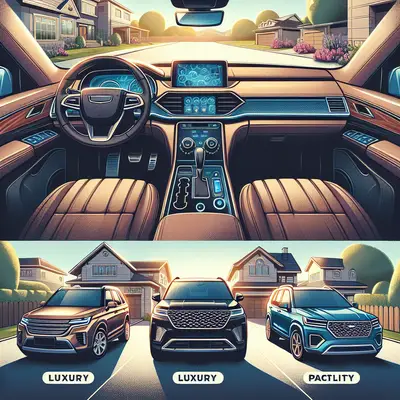
There is a moment when a family SUV stops feeling like “transportation” and begins to feel like a considered living space on wheels. It’s rarely about the headline stats or the size of the touchscreen; it’s about how thoughtfully the vehicle anticipates the rhythms, frictions, and rituals of family life. This is where truly refined family features live—often in details that don’t shout in advertisements, yet transform every school run, weekend escape, and late-night airport pick-up into something markedly calmer and more composed.
Below are five exclusive, less-obvious insights that discerning families appreciate when they step beyond the spec sheet and into the lived experience of an SUV.
1. The Art of the Second Row: More Than Just Extra Seats
Families often fixate on third-row capacity, but the true daily battleground is the second row. This is where children negotiate boundaries, adults decompress between meetings, and car seats live for years. A sophisticated family SUV treats this row as a primary lounge, not a corridor to the back.
Look for sliding and reclining second-row seats with independent adjustments, so each passenger can claim their own comfort zone. Subtle sculpting in the seat base makes a surprising difference when installing multiple child seats—flat, wide cushions and clearly marked LATCH anchors eliminate the wrestling match that many parents accept as normal. An elevated “stadium” design, with a slightly higher second row, allows younger passengers to see forward; this quiet improvement reduces motion sickness and back-seat complaints on longer drives.
Premium touches in this row—dedicated climate controls, soft-touch surfaces where little hands naturally rest, integrated sunshades, and discreet ambient lighting—communicate that the manufacturer understands where your family actually lives in the vehicle. When test driving, pause in the second row. Close the door. Sit for two minutes. Is this a place you’d be content to spend an hour while parked at a soccer tournament or waiting at curbside pickup? The best family SUVs answer “yes” without needing to say a word.
2. Cabin Calm: Acoustic Refinement as a Family Feature
Noise management is often presented as a luxury perk, but for families, it’s a form of emotional infrastructure. A quieter cabin keeps conversations at a natural tone, allows infants to sleep more easily, and turns long drives into something restorative rather than draining.
Beyond simple sound insulation, refined SUVs employ laminated glass, strategic door sealing, and targeted damping in wheel wells and floor panels. The difference is subtle in a short test drive yet profound after an hour on coarse pavement or in heavy rain. Vehicles with active noise cancellation systems go a step further, countering specific sound frequencies to create a gentler acoustic environment—not silence, but a softening of the harsh edges that fatigue adults and overstimulate children.
Pay attention on the test drive to the quality of sound rather than just the volume. Does the vehicle filter out wind rush and road roar while preserving clear conversation from the rear seats? Can you hear a softly spoken child in the third row without turning your head or raising your voice? This kind of acoustic refinement is not a vanity feature; it’s the backbone of more civil family journeys.
3. Everyday Choreography: Doors, Access, and the Flow of Movement
True family sophistication reveals itself in how effortlessly people and objects move through the cabin. Families live in motion—buckling, unbuckling, reaching for backpacks, loading groceries, and retrieving forgotten sports gear. The best SUVs choreograph these micro-movements so they feel intuitive, not improvised.
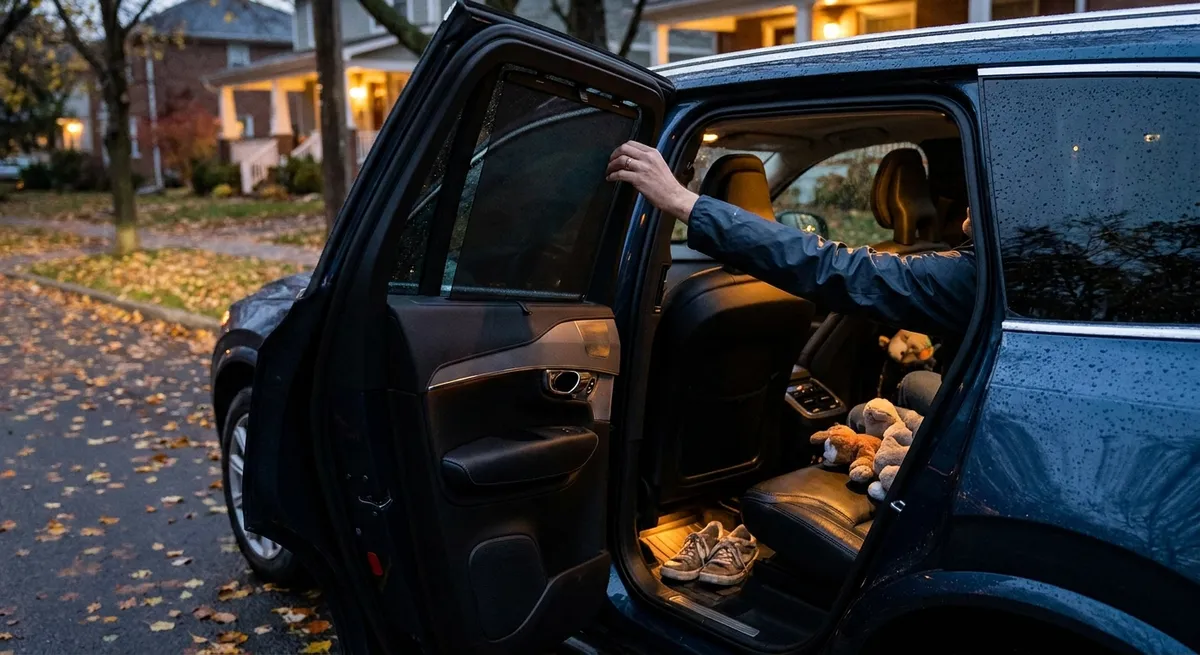
Consider the geometry of the doors: wide-opening rear doors with tall apertures make it far easier to secure a rear-facing car seat or assist a sleeping child. Step-in height matters as well; an SUV that’s easy for a grandparent to enter without climbing and for a child to exit without jumping signals thoughtful family tuning. Watch how the second row folds and slides to access the third—can this be done one-handed while holding a bag or a toddler’s hand?
The tailgate experience is another quiet differentiator. Hands-free open and close, low load floors, and flat cargo areas reduce strain when lifting strollers or luggage. Look for hidden storage wells where everyday clutter can live out of sight: emergency supplies, picnic blankets, and sports equipment. Interior grab handles, integrated hooks for grocery bags, and logically located buttons for seat-folding transform loading and unloading from a juggling act into a smooth routine.
These are not dramatic features, but like a well-designed family kitchen, they turn the inevitable chaos of daily life into something far more graceful.
4. Intelligent Comfort: Climate, Lighting, and Subtle Personalization
The most refined family SUVs manage comfort with the nuance of a well-run boutique hotel: unobtrusive, anticipatory, and tailored. Modern multi-zone climate systems allow the driver, front passenger, and rear seats to operate in harmony rather than as a compromise. Independent rear climate controls are crucial for families—children run warmer and are often bundled in more layers, while adults in front may prefer cooler, fresher air.
Heated seats in the second row have transitioned from indulgence to practicality in colder climates, particularly for early-morning school runs. Ventilated seats in the front can be equally transformative in hot regions. Advanced models remember driver and passenger profiles—not only seat positions and mirrors, but also preferred climate settings, radio presets, and even driver assistance preferences. For multi-driver households, this personalization removes one more micro-irritation from the day.
Cabin lighting has also matured beyond novelty. Soft ambient illumination along doors, footwells, and storage areas makes it easier to manage snacks, books, and seatbelts after dark without flooding the cabin in harsh overhead light. When evaluating a vehicle, sit inside at dusk or at night if possible. The best SUVs feel composed and legible in low light, never blinding, and always respectful of sleeping passengers.
5. Quiet Tech: Screens, Safety, and Distraction Done Differently
Families are increasingly sensitive to the double-edged nature of in-car technology: helpful when it supports safety and convenience, problematic when it adds distraction or feels dated too quickly. A premium family SUV approaches tech as an invisible assistant, not a constant performance.
For the driver, a clean, intuitive interface with minimal menu-diving is essential. Wireless Apple CarPlay and Android Auto, multiple fast-charging USB-C ports, and an easy-to-understand navigation system are now table stakes. What separates the most considered options are thoughtful touches: a dedicated shelf for devices, cable management that doesn’t tangle, and rear-seat charging points that do not require adapters or awkward stretching.
Rear-seat entertainment, where offered, has evolved from DVD screens to integrated streaming and mirroring solutions. The best iterations allow parents to retain control—locking content when needed, lowering volume from the front, or pausing play across multiple screens at once. Look, too, at how the vehicle handles safety technology: systems like adaptive cruise control, lane centering, rear cross-traffic alerts, and blind-spot monitoring should feel like an extra set of eyes, not a barrage of beeps.
Perhaps most importantly, evaluate how the SUV manages information overload. Does it allow you to simplify the instrument cluster, reduce on-screen clutter, or mute non-essential alerts? A family vehicle that respects your cognitive load—while subtly guarding the people you love—is offering a higher form of luxury.
Conclusion
The most rewarding family SUVs are not defined by a single standout feature, but by a collection of considerate decisions—a slightly wider door opening, a more serene cabin, a third-row seatback that reclines just enough for a teenager to fall asleep on a late drive home. These are the refinements that rarely dominate the brochure but quietly elevate everyday life.
When shopping, move beyond the spec sheet and spend time living in the cabin during your evaluation: sit in every row, open and close every storage space, listen in silence with the engine running, and imagine your family’s actual routines unfolding inside. A truly sophisticated family SUV will make those imagined moments feel easier, calmer, and more beautifully supported—day after day, mile after mile.
Sources
- National Highway Traffic Safety Administration (NHTSA) – Vehicle Safety Features - Overview of key safety and driver assistance technologies relevant to family vehicles
- Insurance Institute for Highway Safety (IIHS) – Ratings & Research - Independent crash test results and evaluations of crash avoidance features for SUVs
- Edmunds – Car Seat Compatibility and SUV Reviews - Practical insights on second-row usability, LATCH access, and family-oriented SUV evaluations
- Consumer Reports – Guide to Car Comfort and Noise - Analysis of cabin comfort, seating, and noise levels across different vehicles
- Environmental Protection Agency (EPA) – Fuel Economy Guide - Official data on fuel economy for SUVs, useful for families balancing efficiency with space and comfort
Key Takeaway
The most important thing to remember from this article is that this information can change how you think about Family Features.