For families who view their SUV as an extension of a carefully curated home, safety is not a checkbox—it is a standard of living. Yet in an era of five-star badges and bold safety claims, it’s increasingly difficult to distinguish genuine engineering excellence from marketing gloss. The most discerning families are looking past the headline ratings, searching instead for the subtle cues that signal thoughtful design, well-resolved technology, and long-term peace of mind. This is where safety becomes less about spectacle and more about quiet, intelligent protection.
Below are five exclusive, often-overlooked safety nuances that help elevate a family SUV from merely compliant to genuinely confidence-inspiring.
How a Vehicle “Behaves” Just Before a Crash
We tend to focus on what happens during a crash, but for the most advanced SUVs, safety starts several seconds earlier. Modern systems are increasingly attuned to the moments before impact—when intelligent intervention can still prevent or dramatically soften a collision.
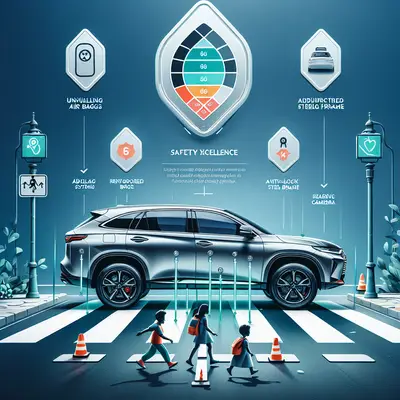
Premium family SUVs now integrate forward collision warning, automatic emergency braking, lane-keeping assistance, and cross-traffic alerts into a cohesive protective “bubble.” The real difference lies in calibration. In better-executed vehicles, systems intervene smoothly and predictably, with carefully tuned thresholds that reduce false alarms and avoid abrupt maneuvers that might startle passengers or create new risks.
A discerning family will notice:
- Whether the SUV warns early and clearly without feeling frantic
- How consistently it recognizes pedestrians and cyclists, not just other vehicles
- Whether it can detect oncoming traffic in turns when making left-hand turns across traffic
- How it behaves in low-visibility conditions such as rain, glare, or dusk
Rather than simply asking, “Does it have automatic emergency braking?”, ask your dealer to demonstrate how the system behaves in real scenarios or request a test drive on mixed roads. True safety refinement reveals itself through composure, not drama.
The Geometry of Protection: Seating, Sightlines, and Child Seat Reality
Crash ratings tell only part of the story; how easily your family can use the vehicle safely is just as important. For parents, the SUV’s internal architecture often matters more than raw dimensions on a spec sheet.
Sophisticated design shows up in details such as:
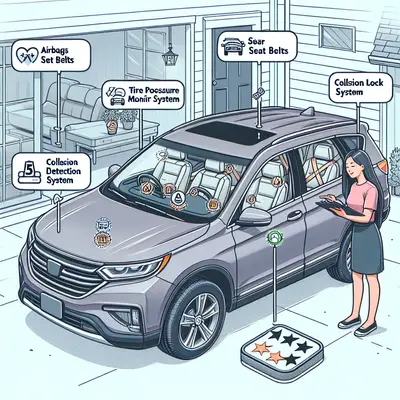
- Second-row accessibility: Wide-opening rear doors and a low, flat floor make it easier to install child seats without contortionist-level stretching.
- Thoughtful LATCH placement: High-end family SUVs often align lower anchors and top tethers to support three across or two bulky child seats plus a booster—without seat belt routing becoming a puzzle.
- Third-row grace, not just space: In well-designed models, the second row can tilt and slide with a child seat installed (when the manufacturer approves it), enabling elegant third-row access without constant reinstallation.
- Sightlines for supervision: A low beltline and large rear windows let children see out and help parents visually confirm seat belt usage with a quick glance.
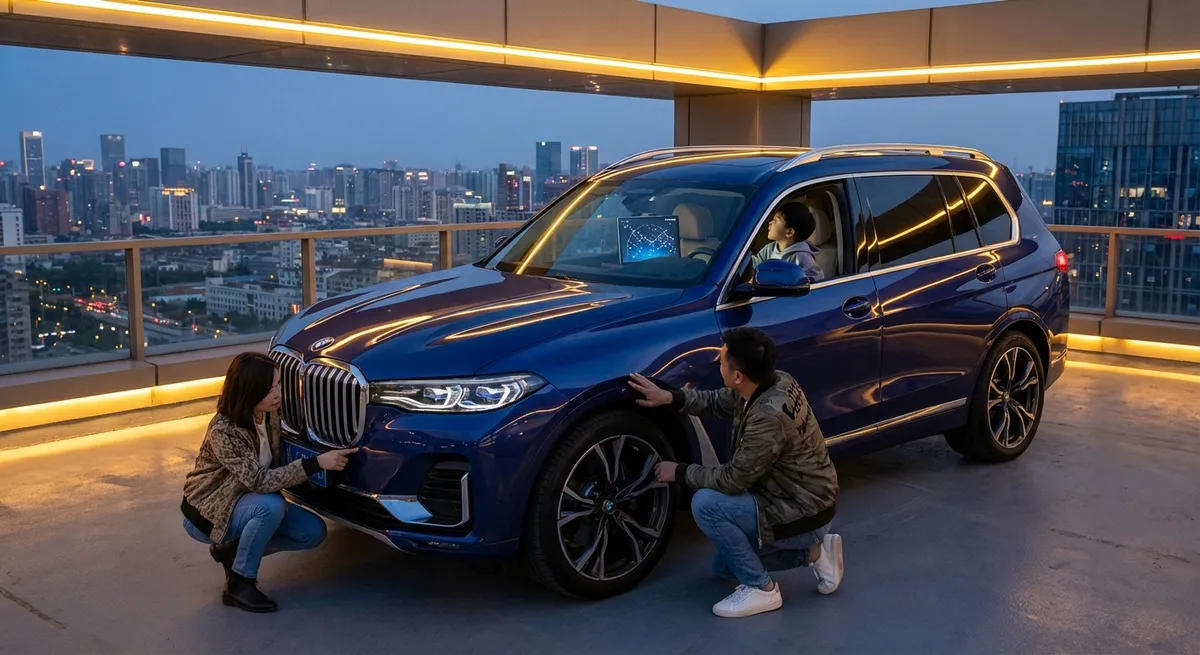
During a test drive, bring your actual child seats, boosters, and strollers. Install them, buckle everyone in, and simulate your normal routine: school drop-off, carpool pick-up, third-row access. The SUVs that feel intuitive and unstrained in these real-life safety rituals are the ones that will quietly protect your family every day.
The Silent Guardians: Structural Integrity and Crash Philosophy
Two SUVs can both wear a five-star or “Top Safety Pick” badge, yet be engineered with very different philosophies. Beneath the leather and ambient lighting is a question of how the vehicle’s body is designed to manage energy, preserve the passenger cell, and protect occupants of all sizes and seating positions.
Subtle but meaningful distinctions include:
- Crash test performance beyond the headline score: Look for strong results in small overlap front crashes and side-impact testing, which can reveal how well the structure protects in more realistic, offset collisions.
- Roof strength and rollover protection: For taller family SUVs, robust roof crush resistance is crucial, particularly when carrying multiple passengers and luggage.
- Rear-impact protection: Premium engineering extends to head restraints, seatback design, and bumper structure to reduce whiplash risks in low-speed impacts—common in urban traffic and school zones.
- Protection for varied occupants: The best SUVs perform well not just for the average-sized driver, but in tests simulating different statures, seating positions, and restraint usage.
When comparing models, go beyond the star rating or letter grade and review the detailed test breakdowns from organizations like the IIHS and NHTSA. Patterns of consistent “good” or “superior” performance across multiple crash types suggest a holistic crash philosophy, not just a single, marketing-friendly result.
Smart Tech, Calm Cabin: Safety and Family Well-Being
Safety is not only about surviving a worst-case scenario; it’s also about preventing the everyday fatigue and distraction that can precede it. In a family SUV, a truly safe environment is one that supports a calm, focused driver and content passengers.
Premium safety-driven refinement often includes:
- Noise and vibration control: A quieter cabin with well-managed road and wind noise allows the driver to hear sirens, alerts, and approaching vehicles more clearly—while reducing mental fatigue on longer drives.
- Intuitive, uncluttered interfaces: Clean, logically organized controls reduce the time your eyes are off the road. Overly complex touchscreens or nested menus are more than an annoyance—they can be a safety liability.
- Subtle, human-centric alerts: Gentle yet distinct haptic feedback (such as steering wheel vibration), well-placed chimes, and clear visual cues help the driver respond quickly without sensory overload.
- Proactive driver monitoring: Some higher-end SUVs now include systems that can detect inattention or drowsiness, gently prompting breaks before concentration lapses become dangerous.
Evaluate the cabin not only for style, but for cognitive serenity. Can you operate core functions—climate, volume, drive modes—without taking your eyes off the road? Does the SUV communicate with you in a way that feels supportive rather than intrusive? When safety technology and ergonomics are harmonized, long journeys feel less draining, and the driver remains more alert and capable.
The Long View: Safety That Ages Gracefully
Families often keep a well-chosen SUV for many years, sometimes across multiple stages of childhood. What feels advanced today can seem dated in just a few model cycles if the vehicle is not designed with longevity in mind. True safety luxury is the assurance that your SUV’s protective qualities remain relevant and functional over time.
When thinking about the long arc of ownership, consider:
- Software update strategy: Some manufacturers now deliver over-the-air updates that refine driver assistance, improve detection algorithms, or add expanded safety features without a service visit.
- Durability of safety-critical components: Ask about testing standards for seat frames, belts, airbags, and sensors, particularly in climates with extreme heat, cold, or road salt.
- Parts and service ecosystem: A robust dealer network, trained technicians, and ready access to OEM parts help ensure that safety systems are properly repaired after an incident.
- Resale safety reputation: Vehicles with a strong safety record and consistent test performance tend to hold their appeal better on the used market—an understated but tangible benefit.
In essence, you’re not just buying today’s crash test outcome; you’re investing in a safety platform that will be entrusted with your family’s routine for years. The most sophisticated choice is one that pairs present-day excellence with thoughtful provisions for the future.
Conclusion
In the crowded landscape of modern SUVs, safety has become a language of numbers, badges, and acronyms. But for families who expect more, the real story lives in the nuances: how an SUV behaves before a crash, how gracefully it accommodates child seats, how thoughtfully its structure is engineered, how calmly it cocoons its occupants, and how well its protections endure over time.
By looking beyond the headline rating and examining these subtler dimensions, you begin to see which vehicles are merely competitive—and which are genuinely, quietly exceptional. In that distinction lies the difference between a purchase and a long-term partnership in your family’s everyday safety.
Sources
- [National Highway Traffic Safety Administration (NHTSA) 5-Star Safety Ratings](https://www.nhtsa.gov/ratings) - Official U.S. government crash test ratings and explanations of test procedures
- [Insurance Institute for Highway Safety (IIHS) Vehicle Ratings](https://www.iihs.org/ratings) - Detailed crash test results, small overlap tests, and evaluations of crash avoidance technologies
- [U.S. Department of Transportation: Advanced Driver Assistance Systems](https://www.transportation.gov/AV/ADAS) - Overview of common driver assistance features and their safety impact
- [SaferCar: Child Safety Seat Information (NHTSA)](https://www.nhtsa.gov/equipment/car-seats-and-booster-seats) - Guidance on child seat installation, LATCH systems, and correct usage in vehicles
- [Consumer Reports: Guide to Car Safety Features](https://www.consumerreports.org/cars/car-safety-features-guide-a1074887343/) - Independent explanations and evaluations of modern safety and driver assistance technologies
Key Takeaway
The most important thing to remember from this article is that this information can change how you think about Safety Ratings.