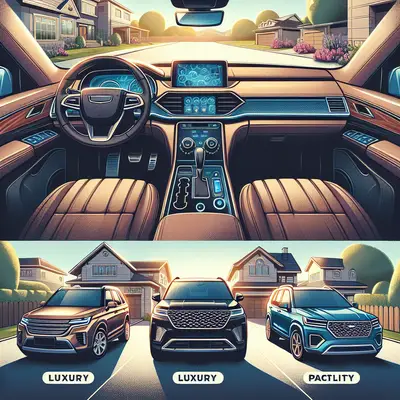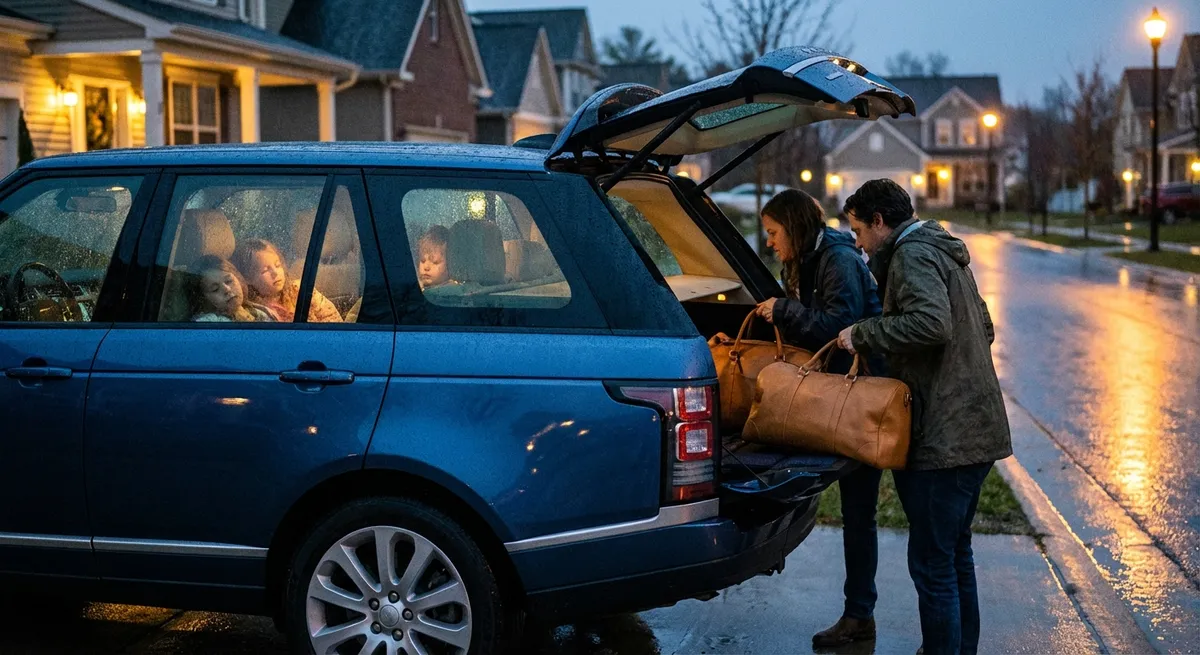
The most memorable family vehicles rarely announce themselves with flash. They win loyalty in quieter ways: by softening long days, calming restless children, and turning ordinary errands into something that feels just a little more composed. When families shop for an SUV today, the conversation has moved beyond cargo volume and cupholders. The real differentiators live in the details—how thoughtfully the space works, how gracefully the technology disappears into the background, and how serenely everyone arrives.
This is a closer look at five refined, often overlooked family‑centric SUV features that subtly elevate everyday life—and are worth seeking out in your next purchase.
Cabin Quietness: The Invisible Luxury Your Family Actually Feels
We talk endlessly about horsepower and screen size, but one of the most transformative family features is the one you barely notice: sound insulation. A genuinely quiet cabin is more than a luxury flourish; it is a form of family stress management.
Look for vehicles that specifically call out laminated (acoustic) front glass, door and floor insulation, and active noise cancellation systems. These elements work together to reduce wind, tire, and engine noise, allowing children to nap more easily, conversations to feel more relaxed, and long drives to feel less draining. The difference is particularly striking at highway speeds, where poor insulation can turn a calm drive into an exhausting hum.
High-quality door seals, insulated wheel wells, and even the type of tires fitted can subtly change the character of the cabin. Touring or “comfort” tires may trade a touch of sharpness for a quieter, more composed ride—often a favorable compromise for family use. During a test drive, turn off the audio, drive at your typical highway speed, and simply listen. A truly refined family SUV will feel like closing the door on the outside world rather than merely stepping into a larger vehicle.
Seating That Works Like Architecture, Not Furniture
Many three-row SUVs promise “seven or eight seats” on paper. The question discerning families ask is different: Are all of these seats actually livable for real people, real bags, and real schedules? Thoughtful seating design behaves more like intelligent architecture than simple furniture.
Start with access to the third row. Look for second-row seats that slide forward while still accommodating a child seat, or tilt-and-slide mechanisms that allow graceful entry without forcing older children to contort themselves. The best designs allow grandparents, teens, and toddlers to move through the cabin without conflict, even in tight parking spaces.
Pay attention to the second row’s adjustability: fore-aft travel, backrest recline, and the ability to offset one side more than the other can make a huge difference when pairing a rear-facing seat with a tall front passenger. Some premium family SUVs offer captain’s chairs with armrests and heating, effectively giving each child their own “first-class” space, which can reduce arguments and improve comfort on long trips.
Finally, examine the third row as if you or another adult might actually sit there. Check thigh support, headroom, and ease of buckling into full-size seatbelts, not just child boosters. A well-designed third row can move from “occasional use” to “genuinely useful,” allowing you to bring friends, cousins, or teammates along without compromise.
Subtle Climate and Air Quality Controls for Real‑World Comfort
Family comfort is rarely about temperature alone; it’s about how intelligently the cabin responds to different passengers, sun angles, and sensitivities. Advanced climate control systems can transform a crowded SUV into an environment that feels curated, not crowded.
Tri- or quad-zone climate control allows the driver, front passenger, and rear passengers to set different temperatures, which is invaluable when some family members run warm while others are perpetually cold. Look for rear-seat climate panels with both temperature and fan-speed control, ideally positioned where older children can adjust them without driver intervention.
Air quality features are increasingly relevant for families in urban or high‑pollution areas. Cabin air filtration with HEPA or high-efficiency filters, automatic recirculation in poor air conditions, and dedicated “air quality” modes can significantly reduce particulate matter and allergens inside the vehicle. Some manufacturers now provide pollen and fine-dust filtration systems or even real-time air quality readouts—small touches that matter when transporting infants or children with asthma or allergies.
Examine the details: rear sunshades built into the doors, ventilated front seats for parents on long drives, heated outboard second-row seats for older children, and rear vents positioned high enough to reach all passengers rather than just blowing at their knees. These refinements do not shout “feature”; they quietly protect everyone’s comfort across seasons and climates.
Quietly Clever Storage That Respects Real Family Life
Cargo capacity in liters or cubic feet is useful, but it rarely tells the full story of how a family actually lives inside a vehicle. The difference between a merely large SUV and a truly family-focused one lies in the thoughtfulness of the storage solutions.
Examine the space between the front seats: a deep, configurable center console with sliding trays can separate snacks from electronics, keep valuables out of sight, and prevent a small avalanche every time you brake. Some models offer a pass-through under the console or a second tier of hidden storage, ideal for stowing tablets, small bags, or a discreet change of clothes for younger children.
In the second and third rows, look for more than just cupholders. Door bins that can hold full-size water bottles, covered storage pockets, seatback pockets divided for books and devices, and sidewall cubbies in the cargo area all contribute to a more orderly cabin. Family-focused designs often reserve space for a stroller with one third-row seat still in use, or they provide underfloor storage to hide emergency supplies, sports gear, or grocery bags.
Power-folding third-row seats can be more than a luxury flourish—they allow parents to reconfigure the vehicle with one hand while holding a child or bags in the other. A flat, uninterrupted load floor when seats are folded makes sliding heavy items easier and prevents the awkward “step” that can catch luggage wheels. The most refined family SUVs create a calm, clutter-resistant environment where everything has a place, and nothing rolls noisily across the cargo area with every turn.
Technology That Calms the Cabin, Not Controls It
Family SUV technology has evolved beyond simple entertainment screens. The most successful systems now function as quiet enablers: reducing friction, defusing tension, and letting parents focus on driving rather than arbitrating minor crises.
Start with the driving position. A clean, intuitive interface with clearly labeled physical controls for climate and volume can be more valuable than an extra inch of screen size. Parents benefit from steering wheel controls that allow them to adjust key settings without diverting attention from the road. Consider how quickly you can access driver assist features, camera views, or navigation—especially in moments when distraction is already high.
For passengers, integrated rear-seat USB-C ports, device pockets, and optional rear entertainment systems can turn long drives into peaceful ones. But the real refinement lies in how the vehicle connects and manages all of this: multiple device pairing for Bluetooth, built-in Wi‑Fi where available, and seamless integration with Apple CarPlay and Android Auto to reduce the temptation to handle phones while driving.
Some family-focused SUVs now offer “cabin talk” or “intercom” features that allow front passengers to speak clearly to the third row through the vehicle’s speakers, reducing the need to turn around or raise one’s voice. Paired with a high-quality, well-tuned sound system that remains clear at lower volumes, the effect is a more civilized, composed cabin environment.
Consider also the suite of driver assistance technologies not just as safety tools, but as instruments of calm: adaptive cruise control in stop‑and‑go traffic, lane centering on long highway drives, and top-down or 360‑degree camera systems for parking in crowded school lots. When these features are well implemented and intuitively controlled, they quietly reduce the most stressful moments of family driving.
Conclusion
The finest family SUVs distinguish themselves not with one showpiece feature, but with a constellation of well-resolved details that quietly improve every journey. Cabin quietness that protects everyone’s energy, seating that behaves like well-designed architecture, nuanced climate and air quality controls, storage that respects the realities of family life, and technology that soothes rather than overwhelms—these are the subtleties that define a truly premium family experience.
When you next step into a showroom or schedule a test drive, bring a more discerning lens. Sit in every row, open every compartment, listen with the audio off, and imagine your family’s daily rhythm unfolding inside that cabin. The right SUV will not simply move your family; it will support them—with a quiet confidence you feel on every drive.
Sources
- [U.S. Department of Transportation – Vehicle Noise and Vibration](https://www.transportation.gov/mission/sustainability/vehicle-noise) – Background on vehicle noise considerations and their impact on occupants
- [Environmental Protection Agency – Indoor Air and Vehicle Air Quality](https://www.epa.gov/indoor-air-quality-iaq/inside-vehicle-air) – Overview of air quality concerns inside vehicles and the role of filtration
- [National Highway Traffic Safety Administration – Child Passenger Safety](https://www.nhtsa.gov/road-safety/child-safety) – Guidance on child seat placement and considerations that relate to seating layout and access
- [IIHS – Vehicles for Teenagers and Families](https://www.iihs.org/ratings/safe-vehicles-for-teens) – Insights into vehicle characteristics that support safer family transportation
- [Edmunds – Car Interior and Comfort Features Guide](https://www.edmunds.com/car-technology/interior-features.html) – Detailed explanations of modern comfort, storage, and in‑cabin technology features
Key Takeaway
The most important thing to remember from this article is that this information can change how you think about Family Features.