Selecting a family SUV today is less about sheer size and more about how intelligently that space serves your life. The most rewarding vehicles aren’t merely well-equipped; they’re quietly choreographed around real routines—school runs, late flights, rainy soccer tournaments, and impromptu weekend escapes. In that world, the difference between “good enough” and “effortless” lies in details that rarely make the brochure headline, yet define how your SUV feels day after day.
This is a closer look at five under‑the‑radar, family‑first insights that can elevate your next SUV from competent to genuinely considered. Not just features, but the way they interact with the rhythm of a modern family.
1. The Geometry of Comfort: Seat Design Beyond Simple Cushioning
For family buyers, seating is often reduced to a simple headcount—five seats, seven seats, maybe eight. What truly matters, however, is how those seats respect posture, movement, and long‑term comfort for both adults and children.
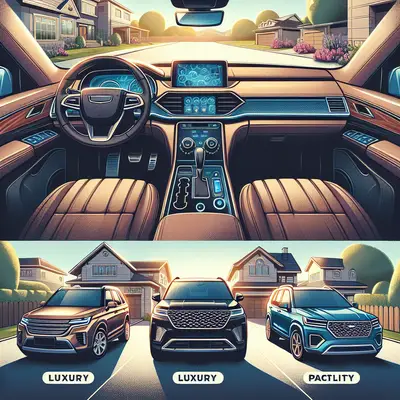
Look past “leather” on the spec sheet and pay attention to seat geometry: thigh support for taller passengers, lumbar contouring that doesn’t force a fixed posture, and gently sculpted bolsters that hold you in place without feeling confining. In the second row, seek out seats that offer slide and recline functionality, not just a fixed bench. This allows you to fine‑tune legroom between rows, particularly helpful when juggling rear‑facing child seats and taller teenagers.
Headrests are another quiet detail. Slim, multi‑angle headrests help maintain a natural neck position and reduce fatigue on longer drives, while still accommodating taller adults. For families using booster seats, flat, well‑padded cushions with unobtrusive bolsters make it easier to achieve a secure belt routing and a comfortable seating line for children as they grow.
The most thoughtfully designed family SUVs pair supportive seat structures with subtle finishing touches: perforated materials that breathe, contrast stitching that resists fraying, and foam densities tuned differently for front and rear passengers. When you test‑sit, notice more than softness—evaluate how the seat feels after five minutes, and whether your posture still feels natural.
2. The Architecture of Access: Cabin Layout That Respects Real Routines
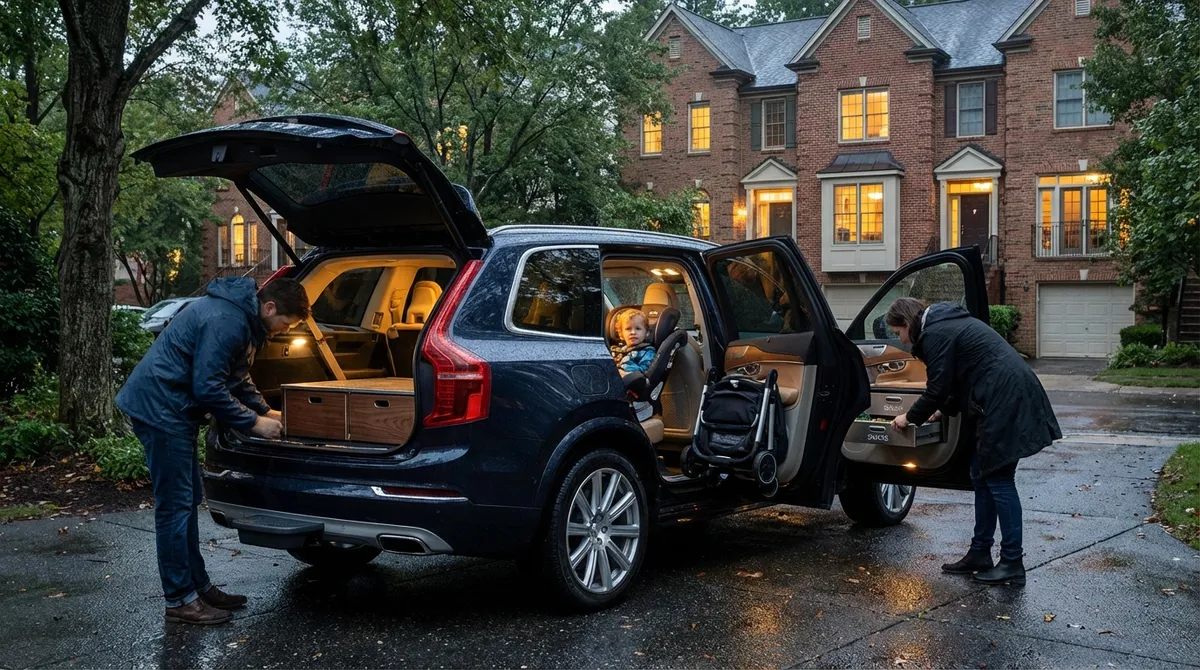
In a truly family‑focused SUV, movement through the cabin feels almost choreographed. It starts with how easily you can enter and exit—especially with a child in your arms, a backpack on your shoulder, or both. Look for wide door openings, low step‑in heights, and rear doors that open to near‑right angles; these small architectural choices greatly ease installing child seats and buckling younger passengers.
The configuration of the second and third rows is equally critical. A sliding second row that maintains an aisle to the third row—even with a child seat installed—can prevent daily acrobatics. Some SUVs offer tilt‑and‑slide mechanisms designed to work around anchored child seats; this is a detail that can define the usability of the third row over time. Test this yourself: simulate your typical loading routine and see how many steps it genuinely takes.
Storage architecture also differentiates a thoughtfully designed family SUV from a merely large one. Deep door pockets that actually accommodate water bottles without pinching, a two‑tier center console that keeps valuables hidden from view, and a discreet space for handbags or laptop bags all contribute to an uncluttered cabin. Even the shape of the cargo area matters—squared‑off wheel arches and a low, flat load floor are far more usable than a slightly larger but oddly contoured space.
The most elegant designs anticipate transitions: a hidden well beneath the cargo floor for sports gear, stroller wheels, or emergency kits; seatbacks that fold nearly flat at the pull of a single, well‑placed handle; and, ideally, power‑folding options that allow you to reconfigure the cabin while holding a toddler’s hand.
3. Ambient Practicality: Light, Sound, and Climate as Family Allies
Beyond engines and screens, the subtler elements of light, sound, and temperature shape how calmly your SUV carries your family through the week. Thoughtful family SUVs address these aspects with a level of nuance that feels almost residential.
Cabin acoustics are a defining factor. Vehicles with laminated front and side glass, ample insulation around wheel wells, and aerodynamically considerate mirrors tend to keep conversations clear and children’s naps undisturbed. Active noise cancellation in some models subtly reduces low‑frequency droning, making long journeys more serene—not just luxurious, but genuinely less tiring.
Light is equally powerful. Panoramic roofs can open up the cabin for children in the second and third rows, but privacy shades are essential to avoid excessive heat and glare. Interior ambient lighting—if done with restraint—helps create a calming, cohesive environment for night driving, allowing parents to monitor the cabin without harsh overhead lights. Window tint (factory or dealer‑installed, where legal) can further help keep the cabin cool and private, particularly in rear seating areas.
Climate control is another area where sophistication pays dividends. Look for tri‑zone or even quad‑zone systems with dedicated rear controls and vents positioned both at floor level and overhead or at window line height. This ensures children in car seats, whose feet may not reach the floor, feel the airflow appropriately. Subtle details like quick‑heating steering wheels and seats, rear heated seats for older children, and intelligent defogging systems contribute quietly but consistently to family comfort year‑round.
Together, these environmental refinements turn your SUV into a refuge—less an appliance, more a moving family lounge that maintains its composure when the day does not.
4. Technology with Restraint: Digital Features That Serve, Not Distract
Family SUV technology should feel like a well‑trained concierge: present, capable, and never overbearing. The goal is to reduce the mental load on the driver and support passengers of varying ages without cluttering the cabin with complexity.
Begin with the interface hierarchy. A clean, responsive touchscreen is important, but so are physical controls for the essentials: temperature, volume, and key drive functions. This allows quick, glance‑light adjustments while your attention remains on the road. Wireless smartphone integration (Apple CarPlay, Android Auto) can simplify daily life, but the most refined systems integrate seamlessly with the vehicle’s own controls and audio without lag or frustration.
For families, rear‑seat technology needs particular scrutiny. Integrated rear entertainment systems can be valuable, but often a combination of multiple USB‑C ports, well‑placed 120V or 12V outlets, and device storage is more flexible over time. Seek layouts that enable each row to charge devices without tangled cables crossing the cabin. A thoughtfully placed wireless charging pad—angled so phones do not slide under braking—adds quiet convenience for the driver.
Driver‑assistance systems (adaptive cruise control, lane centering, blind‑spot monitoring) are most beneficial when their alerts are nuanced rather than startling. Configurable sensitivity and clearly presented information allow these tools to support, rather than nag, the driver. Some systems can remember individual driver profiles, tailoring seat positions, mirror adjustments, and even preferred assistance levels to whomever is behind the wheel.
For children and teens, subtle touches like built‑in Wi‑Fi hotspots, parental controls on navigation destinations or app usage (where available), and clear audio zone management help maintain both connectivity and boundaries. The benchmark is not maximal technology, but well‑curated technology: tools that simplify family logistics without overwhelming the cabin’s sense of calm.
5. Materials That Age Gracefully: Elegance with Real-World Resilience
Families live in their SUVs, and that reality demands materials that can withstand years of genuine use while still feeling elevated. The finest family SUVs balance robustness with tactility—surfaces that invite touch yet are forgiving of inevitable spills, scuffs, and sunscreen smudges.
Start with seat materials. High‑quality leather, leatherette, or premium woven textiles can all work beautifully if they resist staining and are easy to clean. Perforations for ventilation should be small and well‑executed, so crumbs and dust don’t settle too easily. If you anticipate frequent food and drink in the vehicle, darker seat bases paired with lighter seatbacks or contrast piping can help discretely manage visible wear while maintaining a sophisticated aesthetic.
Look closely at the high‑touch surfaces: steering wheel, door pulls, center console edges. Soft‑touch plastics or leather wrapping in these areas signal a manufacturer’s attention to long‑term feel. Brushed metal, real wood trims with a matte finish, or high‑quality synthetic alternatives age more gracefully than piano‑black plastics, which tend to show fingerprints and micro‑scratches with time.
Flooring and mats deserve special attention. Factory all‑weather mats or easily removable deep‑dish liners can preserve carpets from muddy cleats and sandy shoes, and a durable cargo mat with a fold‑over bumper protector protects the rear sill when loading strollers, scooters, or luggage. Consider whether the rear cargo area offers hooks, rails, or netting systems to secure bags and prevent contents from rolling—small touches that keep a beautifully appointed cabin from descending into disarray.
Ultimately, refined family SUVs are not those that avoid life’s messiness, but those that absorb it with grace—where a quick wipe, a shake‑out of mats, and a fast vacuum restores an atmosphere of quiet order.
Conclusion
The most rewarding family SUVs don’t simply transport; they curate your everyday experience. They honor how you move, how you organize, how you rest between commitments. By looking beyond spec sheets and headline features—toward seat geometry, access architecture, environmental calm, restrained technology, and materials that age with dignity—you begin to see which vehicles were genuinely conceived with families in mind.
As you explore options, treat each test drive as an audition not just for performance, but for partnership: Can this SUV adapt fluidly to your family’s evolving routine? Does it feel composed in chaos, supportive without shouting, elegant yet unafraid of real life? When the answer is yes, you’ve found more than a vehicle. You’ve found a refined companion for your family’s next chapter.
Sources
- NHTSA: Car Seat and Booster Seat Safety – Guidance on proper child seat installation, influencing evaluation of second- and third-row access and seating layouts.
- IIHS: Vehicle Ratings and Safety Research – Provides crash test and safety data that complement an assessment of structural design and family‑oriented safety features.
- EPA: Green Vehicle Guide – Offers fuel economy and emissions information, useful when considering family SUVs with efficient powertrains.
- AAA: New Car Technology Research – Explains advanced driver‑assistance systems and how they affect daily driving for families.
- Edmunds: Car Interior Cleaning & Care Guide – Practical insight into how different interior materials wear and how to maintain them in real family use.
Key Takeaway
The most important thing to remember from this article is that this information can change how you think about Family Features.