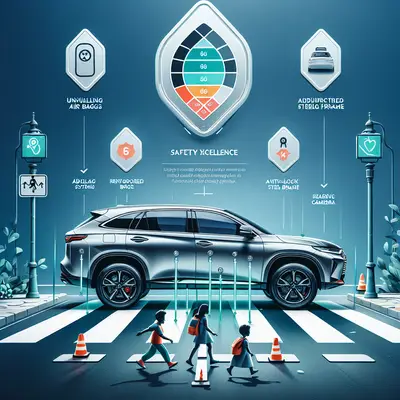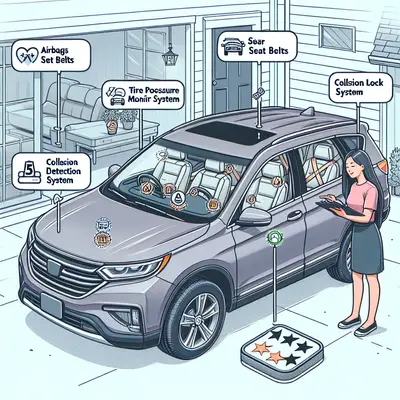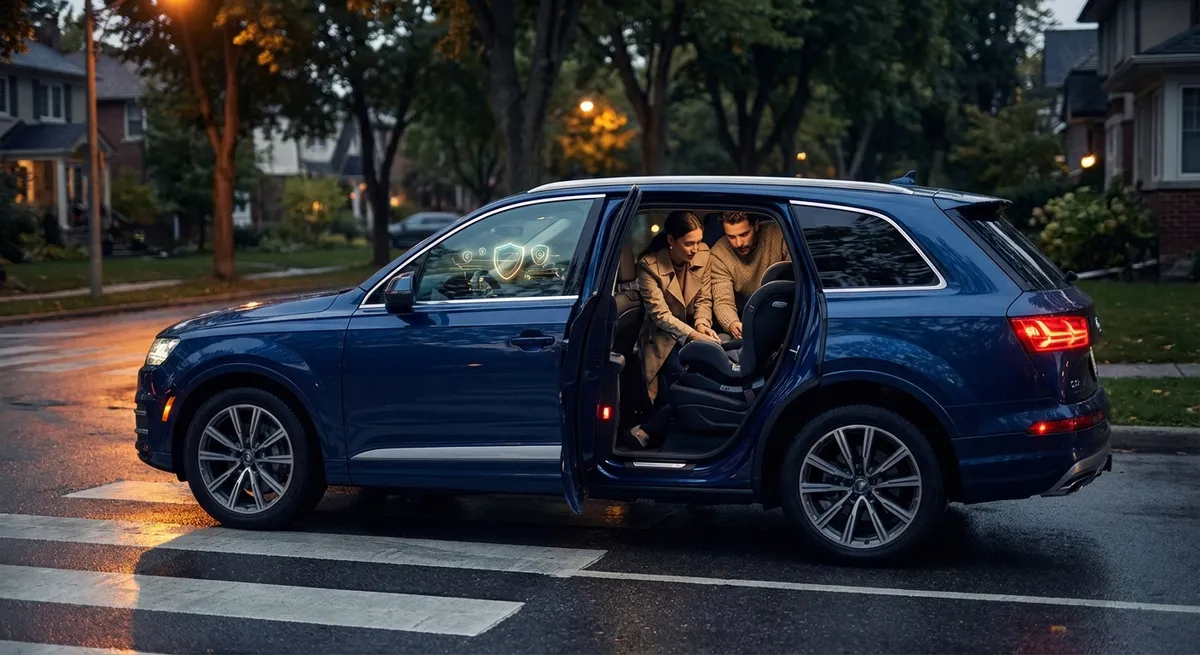
For families who expect more from an SUV than leather seats and a panoramic roof, true luxury begins with peace of mind. Safety ratings—when properly understood—offer that quiet confidence. Yet the elegance of a well‑engineered SUV can be obscured by acronyms, stars, and scores that feel more cryptic than comforting. This is where a refined reading of safety data becomes an asset, turning what looks like a jumble of numbers into a clear, composed decision. Below, we explore how to approach SUV safety ratings with the same discernment you apply to design, craftsmanship, and comfort—highlighting five exclusive insights that reward families who read beyond the headline scores.
Safety Ratings as a Reflection of Engineering Philosophy
Safety ratings are not merely a checklist; they are an expression of each brand’s engineering priorities. When you explore ratings from the National Highway Traffic Safety Administration (NHTSA) or the Insurance Institute for Highway Safety (IIHS), you’re actually seeing the outcome of thousands of hours of structural tuning, material selection, and software calibration. An SUV that performs consistently well across multiple tests—frontal, side, rollover, and advanced driver assistance evaluations—reveals a holistic philosophy rather than a narrow attempt to “game” a single metric. Discerning families should look for patterns: does the vehicle excel across different test types and model years, or only in one showcase category? Models that maintain high ratings as they evolve across generations typically indicate a deeply rooted safety culture, not a one‑off engineering success.
Beyond the Overall Score: Why the Details Matter
An overall star rating or “Top Safety Pick+” badge is a helpful starting point, but families gain a genuine advantage by looking one layer deeper. The front passenger small overlap crash test, for instance, can be particularly revealing for families who frequently ride with a co‑pilot or older child up front. Side-impact ratings matter enormously in urban and suburban settings where intersections and cross‑traffic are part of daily life. Rollover ratings carry special weight for taller vehicles like SUVs. Rather than being impressed by a single flattering number, a refined safety assessment considers which specific tests map onto your family’s true driving reality: narrow neighborhood streets, high‑speed commuter routes, or mountain switchbacks. This alignment between rating details and lifestyle is where safety data becomes quietly powerful.
The Subtle Luxury of Structural Integrity
While high‑end surfaces and ambient lighting tend to capture showroom attention, the true luxury in a family SUV is often hidden beneath the paint. Ratings for crashworthiness—particularly small overlap frontal and side-impact tests—offer an indirect view into the strength of the underlying structure. Vehicles that score well typically rely on advanced high‑strength steels, carefully designed crumple zones, and reinforced safety cages that channel crash forces away from occupants. For families, this translates to cabins that maintain their integrity even when subjected to severe impacts. A useful practice is to read the narrative notes and technical commentary that accompany test results on IIHS or NHTSA sites; these often highlight whether a vehicle’s structure “maintained adequate survival space” or showed “excessive intrusion,” details that speak volumes about long‑term safety engineering rather than surface-level marketing claims.
Advanced Driver Assistance: Scores that Reveal Character, Not Just Features
Most modern SUVs present a similar list of advanced driver assistance systems (ADAS): automatic emergency braking, lane keeping assistance, blind‑spot monitoring, adaptive cruise control. The distinction emerges in how well these systems actually perform under independent testing. Ratings that evaluate vehicle-to-vehicle and vehicle-to-pedestrian automatic emergency braking, for example, give a clearer sense of how confidently the SUV can help you avoid a crash in the first place. Families should seek vehicles with strong performance in night‑time pedestrian detection or cross‑traffic scenarios, which are common in school zones, driveways, and parking lots. This is one of the most valuable yet understated insights: active safety scores can reveal a vehicle’s “character”—how it behaves in unpredictable, real‑world situations—rather than just listing how many tech boxes it can tick on a spec sheet.
Child-Centric Safety: Anchors, Airbags, and the Spaces Between
For families with infants, toddlers, or younger children, the child seat and occupant protection details within safety ratings are particularly meaningful. Some vehicles receive nuanced evaluations of their LATCH (Lower Anchors and Tethers for Children) systems, including how easily and securely a child seat can be installed. An SUV might have excellent crash scores yet make daily use frustrating if anchors are buried deep or obstructed by cushions and trim. Similarly, side airbag coverage and window curtain deployment zones can affect how well younger passengers are protected in the second and third rows. An elegant approach to family safety considers not only formal crash test data, but also how naturally the vehicle supports safe routines: quick, correct child-seat installation; clear belt paths; and cabin layouts that minimize the temptation to compromise on proper restraint simply because it’s difficult or inconvenient.
Model Year Nuances: The Hidden Edge in Staying Current
One of the most exclusive advantages families can give themselves is paying close attention to model year distinctions within safety ratings. It’s not uncommon for an SUV to undergo mid-cycle structural improvements or software updates that significantly improve performance in specific tests, even when the exterior design remains largely unchanged. IIHS and NHTSA often note when a manufacturer has reinforced the structure, modified restraint systems, or upgraded ADAS calibration to achieve better scores. Families who appreciate the details will notice that a 2024 model may be materially safer than its 2022 counterpart, despite looking nearly identical in photographs. Reviewing the testing year, build date notes, and any “improved after modifications” comments gives a nuanced edge—allowing you to benefit from the latest refinements without relying solely on broad reputation or brand image.
Bringing It All Together: A Composed Approach to Family Safety
Selecting a family SUV with exceptional safety is less about chasing a single perfect rating and more about orchestrating a set of well‑chosen priorities. The most composed decisions come from pairing objective test data with your family’s lived reality: where you drive, who rides where, how often car seats are installed and removed, and how important fatigue-reducing driver aids are for longer journeys. By looking beyond headline scores—toward structural integrity, child‑focused usability, sophisticated ADAS performance, and subtle model-year improvements—you transform safety ratings from abstract numbers into a tailored confidence. In a market crowded with bold styling and ambitious screens, that quiet, data‑backed assurance may be the most refined feature your next family SUV can offer.
Sources
- National Highway Traffic Safety Administration (NHTSA) – 5-Star Safety Ratings - Official U.S. government crash test results, rollover ratings, and safety information
- Insurance Institute for Highway Safety (IIHS) – Vehicle Ratings - Independent crash tests, crash avoidance evaluations, and LATCH usability ratings
- U.S. Department of Transportation – Vehicle Safety Overview - Context on federal safety programs and initiatives related to modern vehicles
- Centers for Disease Control and Prevention – Child Passenger Safety - Evidence-based guidance on child restraints and safe seating practices
- SaferCar.gov (NHTSA) – Car Seat and LATCH Information - Detailed resources on child seats, LATCH systems, and proper installation practices
Key Takeaway
The most important thing to remember from this article is that this information can change how you think about Safety Ratings.