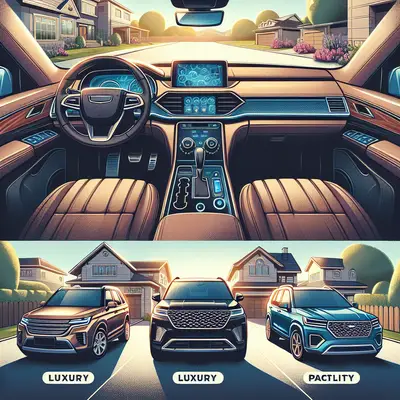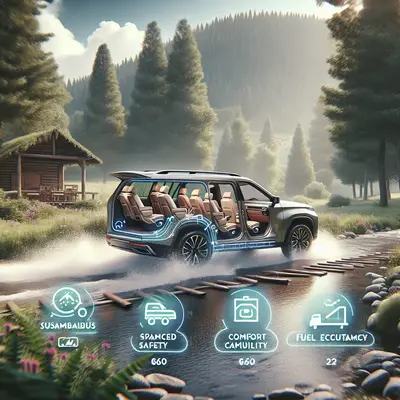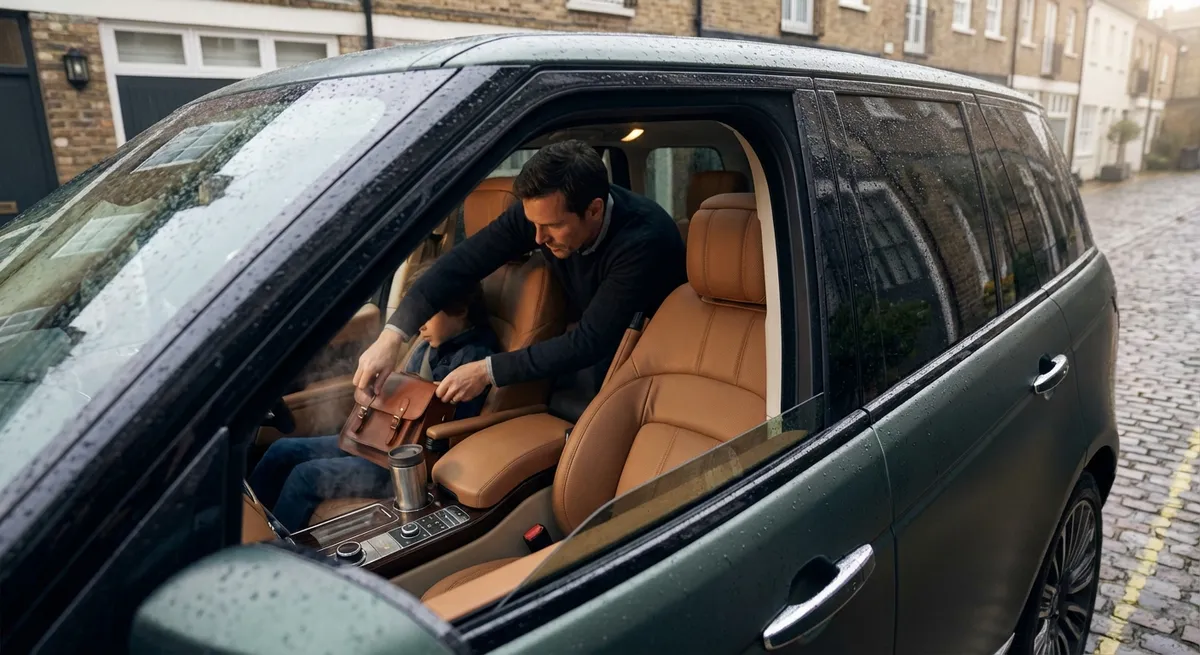
For many families, the SUV is no longer just a people-mover; it is a quietly curated space where mornings begin, negotiations with toddlers unfold, and late-night airport pickups conclude. The best family SUVs don’t shout about their capabilities. Instead, they layer thoughtful details—subtle, refined, and deeply practical—into an experience that feels calm, composed, and reassuringly premium.
Below are five exclusive, often-overlooked considerations that elevate a family SUV from merely functional to genuinely delightful, day after day.
1. The Art of Cabin Calm: Acoustics, Not Just Horsepower
Most spec sheets dwell on power and torque. Discerning families, however, increasingly value what they don’t hear. Cabin acoustics can transform a chaotic commute into a serene, almost lounge-like environment where conversations with children don’t require raised voices and a sleeping infant remains undisturbed by the outside world.
Look for more than just “quiet ride” claims in marketing materials. Seek out SUVs that discuss laminated (acoustic) front glass, additional sound-deadening materials in the firewall and floor, and the use of active noise cancellation systems. These technologies don’t simply mute sound; they target the specific low-frequency hum from tires and wind that can cause fatigue over long drives.
Cabin refinement becomes especially important on textured concrete highways or in urban environments with frequent stop-and-go traffic. A well-insulated, acoustically tuned SUV creates a more composed atmosphere, allowing children to focus on reading or homework, and adults to take calls without background chaos. For families who measure luxury by the quality of the silence, this is a detail worth prioritizing.
2. Seamless Tech That Disappears into the Background
Family SUVs have become rolling technology hubs, but true sophistication lies in how that technology disappears—supporting the drive rather than dominating it. An elegant family-focused cabin doesn’t bombard you with flashing screens; it anticipates needs and responds gracefully.
Prioritize systems that integrate with your existing digital life rather than requiring you to relearn everything. Wireless smartphone integration (Apple CarPlay, Android Auto), multiple profile settings tied to individual keys or accounts, and intuitive voice assistants that actually understand natural language significantly reduce cognitive load. This is especially important for parents multitasking between navigation, music, and rear-seat climate requests.
Also consider how the tech feels to use. Responsiveness of the infotainment system, clarity of the display at different angles and in bright light, and the tactile quality of frequently used controls (volume knobs, drive-mode selectors) all contribute to a sense of refinement. The goal is a digital environment that quietly supports family routines—syncing calendars, remembering favorite routes to school, or recalling preferred climate settings—without demanding constant attention.
3. Rear-Seat Intelligence: Beyond “It Has Enough Space”
For families, rear seats are not simply about legroom and headroom; they are dynamic zones where children grow, routines evolve, and everyone occasionally negotiates personal territory. Sophisticated SUVs recognize this and move beyond crude notions of “big enough” to delivering genuinely intelligent space.
Look for second-row seats with fine-grained adjustability: independent sliding tracks, adjustable recline angles, and easy one-hand mechanisms to access the third row even with a child seat installed (where design allows). This can make the difference between graceful school drop-off choreography and daily frustration.
Seat contouring matters more than spec-sheet measurements. Thoughtful bolstering and support help prevent fatigue on long drives, especially for older children who may be reading or using devices. Integrated sunshades in the rear doors and available tri-zone (or quad-zone) climate control are deceptively luxurious family features—they help each passenger maintain comfort without constant driver intervention.
Finally, consider how the rear seating area supports real-life use: Are there multiple USB-C ports thoughtfully placed for both rows? Is there a flat floor for easier movement and better comfort for a middle-seat passenger? Are cupholders and small-item storage areas located where children can reach them independently without leaning dangerously? These quiet details define the daily ownership experience.
4. The “Invisible Butler” Storage Philosophy
Cargo volume numbers are easy to compare; actual cargo management is where premium family SUVs distinguish themselves. Think of intelligent storage as an “invisible butler” that anticipates where everyday items will naturally land—and ensures there is a graceful place for each of them.
Examine the nuance of storage design: deep, rubberized door pockets that can hold water bottles and umbrellas upright; a center console that accommodates a handbag without requiring awkward contortions; and a discreet tray for phones and keys that keeps them from sliding around. Hidden or lidded compartments become invaluable for stowing small toys, charging cables, and snacks in a way that preserves the cabin’s visual calm.
In the cargo area, look beyond the headline volume. Split-folding rear seats that fold nearly flat with a single touch, adjustable load floors, and small side cubbies for grocery bags or sports equipment help keep everything ordered and accessible. Power tailgates with proximity or gesture-based opening can be a game changer when your arms are full of children and bags.
This philosophy of storage is ultimately about mental clarity. A cabin that offers intuitive places for everything—from stroller frames to school projects—feels composed, even when the day is not.
5. Subtle Safety Integration That Feels Reassuring, Not Intrusive
Modern SUVs offer extensive active safety suites, but the most family-friendly ones integrate these systems with subtlety and restraint. You want a vehicle that quietly watches over your family without constantly buzzing, beeping, or yanking the steering wheel in a way that erodes driver confidence.
Pay close attention to how safety technologies are tuned, not just whether they exist. Adaptive cruise control that brakes and accelerates smoothly rather than abruptly, lane-keeping assistance that gently nudges instead of sharply correcting, and blind-spot systems that provide clear, calm warnings all contribute to a more composed drive. The same feature can feel either intrusive or elegantly supportive depending on its calibration.
Also important is how easily these systems can be adjusted or customized—ideally with straightforward settings menus and clearly labeled controls. A premium approach to safety acknowledges that different drivers in the same household have different preferences. The ability to fine-tune alert sensitivity and visual vs. audible warnings helps safety tech become an unobtrusive companion rather than an overbearing co-pilot.
Finally, consider child-specific safety elements that are often under-discussed: the ease of securing child seats using LATCH anchors, the accessibility of top tether points for all seating positions, and the way airbags and seatbelt pre-tensioners are designed for occupants of varying sizes. These quiet engineering decisions matter profoundly, even if they never become talking points in a showroom.
Conclusion
The most rewarding family SUVs are not defined by a single headline feature, but by a collection of thoughtfully executed details that reveal themselves over months, not minutes. A hushed cabin that softens the edges of a busy day, technology that quietly aligns with your routines, seating that intuitively adapts as your children grow, storage that anticipates real-life clutter, and safety systems that protect without overwhelming—together, these elements transform everyday journeys into something more composed and genuinely pleasant.
For families who value both practicality and poise, it is in these subtle, premium touches that a family SUV truly earns its place in the driveway.
Sources
- National Highway Traffic Safety Administration (NHTSA) – Vehicle Safety Features - Overview of modern safety technologies and how they support driver and passenger protection
- Insurance Institute for Highway Safety (IIHS) – Child Seat Ease-of-Use Ratings - Evaluates how accessible and user-friendly LATCH anchors and tether points are across vehicles
- Edmunds – What Makes a Car Quiet? - Explains acoustic glass, insulation, and engineering strategies that contribute to a quieter cabin
- Consumer Reports – How to Choose the Best Family Car - Discusses practical family-focused considerations such as seating, storage, and everyday usability
- IIHS – Advanced Driver Assistance Systems (ADAS) Overview - Details how driver-assistance features are designed and evaluated, and their impact on crash avoidance
Key Takeaway
The most important thing to remember from this article is that this information can change how you think about Family Features.