Family SUVs have evolved well beyond sliding doors and cup holders. For families with a refined eye, the real magic lies in the details you only notice after living with a vehicle week after week—the way the cabin stays calm during a conference call, how easily a sleeping toddler transfers from stroller to car seat, or how gracefully the SUV accommodates grandparents one day and camping gear the next. This is the quiet luxury of a well-chosen family SUV: thoughtful features that support your life without insisting on attention.
Below are five exclusive, often-overlooked insights that reward a more discerning kind of family shopper—those who expect their SUV to feel as composed as their favorite hotel lobby, and as practical as a well-run household.
1. The “Second Row Experience” Matters More Than the Spec Sheet Suggests
Most brochures focus on front-row amenities, but a sophisticated family SUV is defined by how it treats its most frequent passengers: children, caregivers, and sometimes grandparents in the second row.
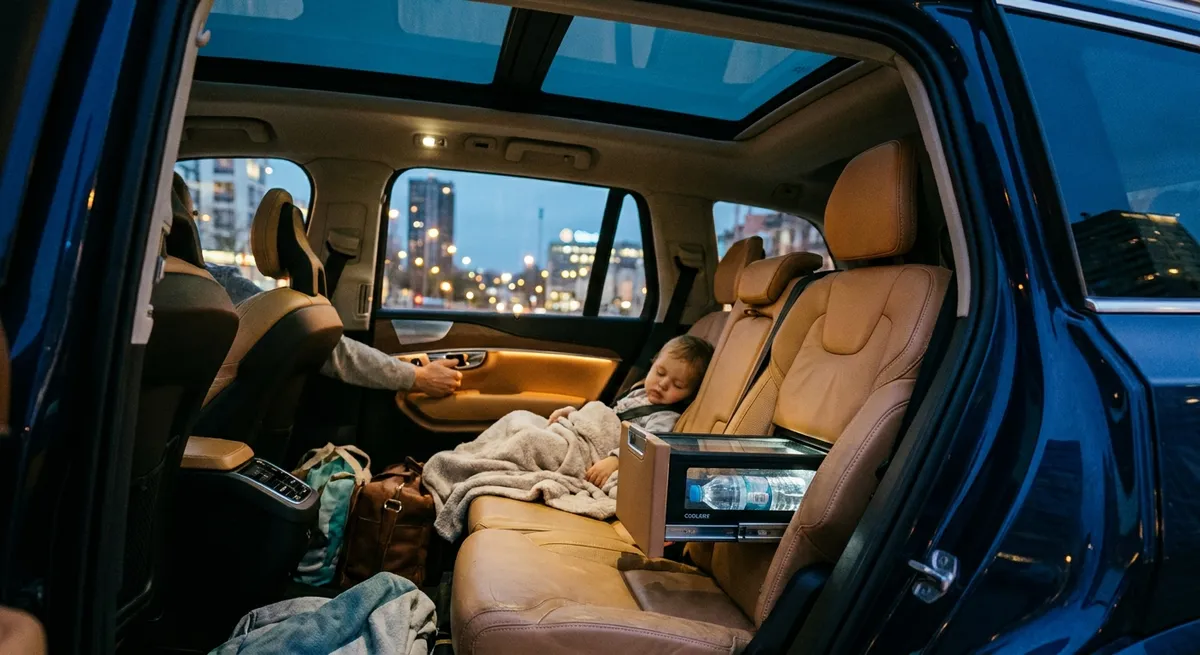
Look for second-row seats that slide and recline independently, with a long range of adjustment. This lets you fine-tune legroom between rows, accommodate rear-facing seats without crushing front passenger space, and give taller kids a more lounge-like posture on long drives. Premium models also offer captain’s chairs with adjustable armrests, integrated sunshades, and individual climate controls—subtle upgrades that profoundly affect comfort and family harmony.
Pay attention to small touches that matter daily: armrest height that actually suits a child’s frame, door openings that are tall and wide enough to load a child into a car seat without contortions, and the way seat bolsters support smaller bodies. Test-sit the second row with the same seriousness you would give the driver’s seat; a truly family-first SUV should feel deliberate and calming in every position, not just up front.
2. Cabin Serenity: The Overlooked Indicator of Long-Term Quality
For families, refinement is not only about leather and screens—it’s about how the cabin feels at 70 mph with conversations, naps, and homework all happening at once. This is where noise, vibration, and harshness (NVH) control becomes the unsung hero of sophisticated family travel.
Seek out SUVs with laminated side glass, extensive sound insulation, and active noise cancellation. These features create a more hushed environment that makes it easier to take a work call, soothe an anxious child, or simply arrive less fatigued after a long drive. The difference between “loud but acceptable” and “quiet and composed” is stark after an hour on the highway.
During a test drive, switch off the audio system and listen: how much tire hum, wind noise, or engine drone intrudes into the cabin? Ask the salesperson to drive for a stretch so you can sit in the second row and experience the ride quality and sound levels from a passenger’s perspective. A truly refined family SUV makes the interior feel like a soft buffer from the outside world—more study, more nap, less noise.
3. Child-Seat Realities: Hidden Design Choices That Make Parenting Easier
The way an SUV integrates child seats is one of those quietly crucial details that separates a merely big vehicle from a profoundly family-capable one. Beyond the advertised number of seats, focus on the quality and positioning of child-seat accommodations.
Look for clearly exposed LATCH anchors that are easy to access without digging between cushions, and confirm how many full LATCH positions are available. Some SUVs also offer top tether anchors for all rear seating positions—a vital point if you anticipate multiple forward-facing seats. Evaluate whether installing a bulky seat will compromise front-row comfort or block access to the third row.
Consider how easily children can access their own seats: wide door openings, low step-in height, and grab handles make independent entry smoother and safer. For families using infant carriers, pay attention to the height of the beltline and door sill—being able to set a carrier down briefly on a flat, stable sill or slide it in without bending awkwardly reduces daily strain. The best family SUVs treat child-seat integration as a design priority, not an afterthought.
4. Smart Storage That Respects an Organized Life
Any SUV can swallow cargo; refined family SUVs do it with intention. The key is thoughtful storage that keeps daily essentials within graceful reach and prevents the cabin from devolving into clutter.
Look for deep, covered center consoles that can discreetly store tablets, headphones, and small toys; tiered door pockets that can hold both a water bottle and a book; and clever under-floor cargo wells that hide sports gear, emergency kits, or extra linens. Split-folding rear seats that fold nearly flat without removing child seats (or with minimal adjustment) add real-world flexibility.
Premium touches like a dual-height cargo floor, grocery bag hooks that actually hold weight, and integrated cargo organizers elevate the experience. Families who frequently travel with strollers should bring their actual stroller to the dealership and test how it fits in the cargo area with one row, two rows, or three rows in use. Storage that supports a naturally tidy environment adds an understated luxury to everyday family life.
5. Digital Restraint: Tech That Enhances, Not Overwhelms, Family Routines
Today’s family SUVs are packed with screens and software, but sophistication is found in how that technology serves your routines. The ideal system feels intuitive, unobtrusive, and easy for the entire family to live with over years—not just dazzling in a showroom.
Prioritize SUVs with a clean, logically organized interface, quick response times, and physical controls for critical functions like temperature and volume. Wireless Apple CarPlay and Android Auto reduce cable chaos, while multiple fast-charging USB-C ports keep devices powered without a tangle of adapters. Rear-seat USB ports, ideally placed away from where feet and doors can snag cables, can be more valuable than an additional screen.
Consider advanced driver-assistance systems (ADAS) as part of your digital ecosystem. Adaptive cruise control, lane-centering assist, and high-quality 360-degree camera systems can ease fatigue and make tight urban maneuvers less stressful. The most refined implementations are gentle and predictable, supporting your driving rather than constantly grabbing for control. In a family context, this kind of digital restraint—thoughtful tech, tastefully used—creates a calmer, more predictable experience for everyone onboard.
Conclusion
A truly elevated family SUV is defined less by headline-grabbing features and more by the quiet, deliberate decisions that shape every journey: serene acoustics, intuitive seating, storage that respects your need for order, and technology that supports rather than distracts. When you test-drive your next SUV, move beyond the usual checklist of horsepower and screens.
Sit in the second row. Install a child seat. Open and close doors repeatedly. Listen—in silence—to the cabin at speed. The details that most families overlook are precisely the ones that discerning buyers will appreciate every single day. In those subtleties, you’ll find the difference between a vehicle that simply carries your family, and one that truly elevates how you move through the world together.
Sources
- NHTSA: Car Seats and Booster Seats - Official U.S. government guidance on child-seat installation, LATCH use, and safety best practices.
- IIHS: Vehicle Ratings – SUVs - Insurance Institute for Highway Safety ratings and notes on crashworthiness and safety-related design details in SUVs.
- Edmunds: Car Seating & Cargo Space Reviews - Practical evaluations of real-world seating comfort, child-seat fitment, and cargo usability.
- Consumer Reports: Car Noise Ratings - Methodology and findings on cabin noise and its impact on driving comfort.
- National Safety Council: Advanced Driver Assistance Systems - Explanation of modern driver-assistance technologies and how they contribute to safer, less stressful driving.
Key Takeaway
The most important thing to remember from this article is that this information can change how you think about Family Features.