Families rarely buy an SUV for a single season of life. The most satisfying choices are those that feel as considered in year seven as they did on day one. This guide looks beyond the obvious checklists to explore how a family SUV can mature with your household—remaining refined, practical, and quietly capable long after the novelty wears off.
Designing for the “Third Year” Reality, Not the Test-Drive Moment
A test drive captures a fleeting impression; family life reveals the truth. When evaluating an SUV, imagine it not as it feels today, but as it will feel mid-ownership—year three, when snack crumbs, school runs, and weekend logistics are part of its daily rhythm.
Pay attention to the materials you touch most: steering wheel, armrests, seat bolsters, and door pulls. Soft-touch plastics, durable leather or high-quality synthetic upholstery, and well-fitted trim panels resist both visible wear and audible rattles. Subtle details—stain-resistant seat fabrics, dark headliners that hide fingerprints, and metal-plated rather than painted switchgear—will still look composed after thousands of miles.
Open every compartment and imagine exactly where items will live: sports gear, music instruments, reusable grocery bags, work laptops, and travel strollers. A cabin that feels “minimalist” in the showroom can become frustratingly storage-starved in daily life. Look for door bins sized for large water bottles, a glovebox that genuinely holds paperwork, and a center console deep enough for a small purse or tablet without feeling cluttered.
Most importantly, drive with everyone aboard. A vehicle that seems nimble when empty can feel quite different with children, luggage, and a dog in the back. Note how the suspension copes with weight, how quietly the cabin remains on rougher roads, and whether conversation between first and third rows is still effortless without raised voices.
The Art of the Second Row: Where Comfort and Sanity Live
For most families, the second row is the true heart of the SUV. This is where homework is finished between activities, shoes are found (and lost), and siblings negotiate space and privacy. A sophisticated family SUV treats this row not as a compromise, but as a primary living space.
Prioritize seat adjustability: fore-aft sliding and recline functions transform long drives, allowing older children and adults to find genuine comfort. Separate captain’s chairs can lend a sense of personal space, making it easier to buckle car seats and reducing sibling skirmishes, while a well-designed bench can offer greater flexibility for three-across seating. Try installing an actual child seat if possible; theoretical space and practical access often differ.
Observe the “kneeling” geometry—how high the floor sits relative to the seat cushion. In some SUVs, knees angle uncomfortably upward, especially for taller children and adults, leading to fatigue on longer trips. A more natural leg position reflects thoughtful engineering and underfloor packaging.
Look for thoughtfully placed second-row amenities that feel more boutique than bus: individual reading lights, separate climate controls with intuitive knobs rather than touch-sensitive pads, and USB-C ports that don’t dangle wires across shared space. Side window shades integrated into the doors, rather than clip-on accessories, offer a discreet sense of calm for naps or screen time without adding visual clutter.
Finally, consider how the second row transforms when you need cargo. One-touch folding, levers accessible from the tailgate, and folding mechanisms that do not require seat removal make grocery days and vacation packing smoother. The most elegant SUVs combine this flexibility with a reassuring solidity—no flimsy hinges or wobbly seatbacks.
Technology That Enhances, Not Dominates, Family Life
In modern SUVs, technology can either serve as a quiet ally or a constant distraction. The aim is not to accumulate features, but to curate those that genuinely improve family travel while keeping the cabin serene and intuitive.
Start with the driver’s experience. A clean, legible digital cluster that emphasizes speed, range, and navigation at a glance is more valuable than a crowded display. Ensure that essential functions—volume, temperature, defrost, drive modes—still offer physical controls you can operate by feel. This small detail reduces distraction and preserves a sense of tactile quality.
For the central screen, focus on responsiveness and clarity over sheer size. Try common tasks you’ll use weekly: connecting your phone, entering an address, pulling up a playlist, or adjusting driver-assistance settings. Systems that require multiple taps for simple actions often become tiresome. Wireless smartphone integration (Apple CarPlay, Android Auto) is particularly valuable for families constantly switching drivers and devices, but verify that the connection is stable and quick during the test.
Rear-seat tech deserves scrutiny as well. Built-in entertainment systems can be appealing, yet many families now prefer the flexibility of personal tablets. What matters more is the supporting ecosystem: ample charging ports in every row, well-placed device storage, and Wi‑Fi capability if you plan long journeys. Evaluate whether screen-based controls for rear climate or seats are intuitive for children, or whether simpler physical knobs might avoid constant “How do I…?” questions.
Finally, examine driver-assistance features through a family lens. Adaptive cruise control, lane-keeping assist, and parking sensors can reduce fatigue and stress, but only when their behavior is predictable and adjustments are simple. Take time during your test drive to customize alert volumes, lane-keeping intensity, and follow distance so the system feels like a calm co-pilot rather than an anxious backseat driver.
Space That Adapts to Changing Seasons of Family Life
Today’s stroller and diaper bag will eventually give way to sports gear, musical instruments, and university move-ins. A truly family-centric SUV anticipates these transitions, offering flexibility without sacrificing refinement.
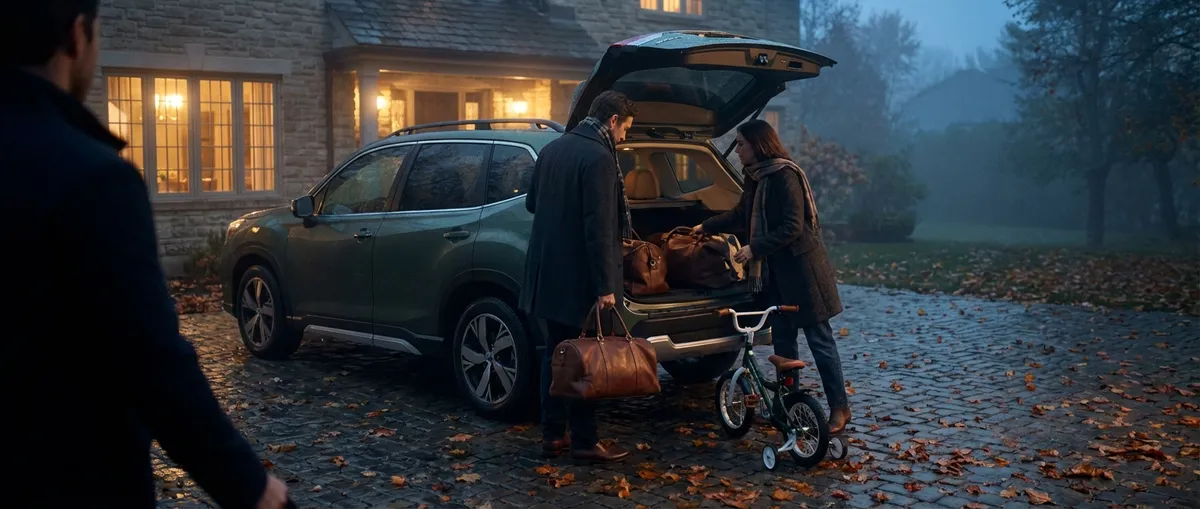
Begin at the tailgate. Is the load floor flat and low enough that heavy suitcases or a sleeping dog can be lifted in without awkward maneuvering? Power tailgates are convenient, but pay equal attention to their speed, height adjustment (for low garages), and how you can operate them with hands full—whether via foot-activated sensors or conveniently placed buttons.
With all rows in use, evaluate actual cargo space rather than quoted numbers. Can you stand a stroller upright? Does the space comfortably fit a grocery run plus backpacks? Fold the third row and check for a genuinely flat extended cargo area; a significant step-up or uneven surface complicates storing larger items, from furniture boxes to camping gear.
Look for elegant touches: underfloor storage that neatly hides charging cables, emergency kits, or valuables; hooks for shopping bags; side pockets for muddy shoes; and removable cargo covers that stow logically when not in use. An SUV that thoughtfully manages the “small chaos” of family life often feels more premium in daily use than one with a marginally larger published cargo figure.
Also consider future-proofing. If your family might grow—or if you often travel with grandparents or friends—assess third-row access and comfort now. Wide door openings, step-in height, and a simple slide-and-tilt mechanism make it practical to use every seat without gymnastics. Even if the third row is used infrequently today, a well-conceived design preserves your flexibility for years to come.
Refinement You Can Hear (and Feel) on an Ordinary Tuesday
True automotive luxury is most apparent in the quietest moments: a low-speed school run on broken pavement, a late-night airport pickup in the rain, or a long Sunday drive when conversation and calm matter more than performance numbers.
On your test drive, turn the audio system off and listen carefully. Notice how the vehicle copes with expansion joints, manhole covers, and coarse asphalt. A well-engineered SUV will mute sharp impacts without feeling floaty, maintaining composure over dips and speed bumps. Pay attention to subtle sounds: the hush of wind around the side mirrors, the thud of doors closing, the way rain sounds on the roof. These elements influence how “expensive” a vehicle feels long after its new car scent fades.
Evaluate seat comfort with the same scrutiny you would give to a good chair or mattress. Supportive bolstering, gentle yet firm cushioning, and adjustable lumbar make the difference between arriving refreshed or fatigued. Memory settings that include mirrors and steering-wheel position are especially helpful when multiple adults share driving duties, preserving a sense of tailored fit each time.
Climate control is another quiet luxury. Multizone systems that respond quickly, heated and ventilated seats that avoid extreme temperatures, and heated steering wheels for colder climates all contribute to a subtle sense of well-being. Consider cabin air filtration as well—especially if any family members have allergies—by checking whether the vehicle offers advanced filtration or air-quality monitoring.
Finally, assess the sound system not simply at high volume, but at the low and medium levels you’ll use most. Balanced, clear audio that preserves conversation while enriching family playlists or podcasts is far more valuable than sheer loudness. This nuanced approach to refinement creates a cabin that feels like a calm, private space—equally suited to school-day routines and refined weekend escapes.
Conclusion
Selecting a family SUV is ultimately less about chasing the latest feature list and more about recognizing which details will matter in the quiet, unphotographed moments of daily life. An SUV that ages gracefully—materials that endure, technology that simplifies, space that adapts, and refinement you can feel—is the one that will quietly earn your trust over years, not months.
Approach your search with this long view in mind. Sit in every seat, imagine your routines three or five years from now, and notice how the vehicle makes you feel once the initial excitement settles. The right choice will not shout for attention; it will simply fit—calmly, comfortably, and confidently—into the evolving story of your family.
Sources
- [NHTSA – Vehicle Safety and Ratings](https://www.nhtsa.gov/ratings) - Official U.S. government crash-test ratings and safety information to consult when comparing family SUVs
- [IIHS – Vehicle Ratings](https://www.iihs.org/ratings) - Independent safety evaluations, including crashworthiness and crash-avoidance features, particularly relevant for family vehicles
- [Edmunds – Car Seat Fit and Interior Space Reviews](https://www.edmunds.com/car-reviews/) - Expert reviews often detailing car-seat installation, second- and third-row usability, and family-oriented practicality
- [Consumer Reports – Guide to SUVs](https://www.consumerreports.org/cars/suvs/) - Comprehensive testing and reliability data for SUVs, with insights into comfort, noise levels, and long-term ownership
- [EPA – Fuel Economy Guide](https://www.fueleconomy.gov/feg/findacar.shtml) - Official fuel economy and range information to help families compare efficiency across SUV options
Key Takeaway
The most important thing to remember from this article is that this information can change how you think about Buying Guide.