Selecting a family SUV today is less about sheer size and more about how thoughtfully every inch has been considered. For families who notice the subtleties—the way a door closes, how a second-row seat moves with one hand, or how easily a sleeping child can be transferred from stroller to car—the best SUVs feel like well-designed homes on wheels. They anticipate needs, smooth over friction points, and turn the everyday shuffle into something calmer, safer, and more refined.
Below are five exclusive, detail-rich insights that discerning families will appreciate—features and design choices that rarely make the headline, yet quietly define long-term satisfaction.
1. Cabin Architecture That Respects Real Family Life
Beyond leather and screen size, the true test of a family SUV’s interior is how it behaves at 7:45 a.m. on a wet Tuesday with half-finished homework and a missing lunchbox.
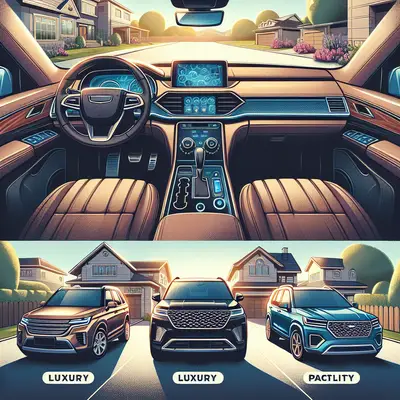
The most family-conscious cabins are designed around movement: how children climb in, how adults buckle them, and how bags, instruments, and sports gear flow through the space. Look for wide door openings combined with low step-in heights that let kids enter independently without sacrificing a commanding seating position. Pay attention to how easy it is to reach the third row without acrobatics—sliding second-row seats that tilt and move forward with child seats still attached can transform daily use.
Thoughtful storage is another quiet hallmark. An elegant family SUV doesn’t simply offer “lots of cubbies”; it offers the right ones. Deep door pockets shaped to hold water bottles upright, a covered center console that hides valuables on school runs, under-floor cargo wells that swallow muddy shoes, and a dedicated, easily reached space for tissues and wipes sound minor, but collectively they relieve daily irritation. Even the contour of the dashboard matters: flatter, lower designs improve forward visibility for smaller drivers, while minimizing glare that can fatigue eyes on long drives.
2. Seating That Balances Comfort, Flexibility, and Cleaning
For families, seats are not just places to sit; they are high-use surfaces that need to manage spilled milk, marker mishaps, and the occasional car-sick passenger—without looking tired after a year.
Premium family SUVs increasingly offer upholstery that combines tactile quality with resilience: high-grade synthetic leathers or coated textiles that feel soft to the touch yet resist staining and are easy to wipe clean. Consider the grain of the material—finer grains often resist trapping crumbs and dust, while perforations can enhance comfort but may be harder to keep pristine if children snack frequently.
Seat adjustability is equally crucial. Look for second-row seats with generous fore-aft travel so you can trade third-row legroom for cargo space as needed. Reclining backrests in both second and third rows make naps more natural, while thoughtfully sculpted bolsters keep smaller bodies from sliding around without feeling confining to adults. If you regularly carry a mix of car seats and older children, check for multiple LATCH anchor points and how easy they are to access without digging between cushions.
Heated seats in the second row, often considered a luxury flourish, take on surprising importance in colder climates, especially for early-morning school runs. Ventilated front seats can also reduce fatigue for the driver and front passenger on long trips, particularly in warmer regions, making everyone more relaxed and attentive.
3. Acoustics and Ride Quality That Protect the Conversation
Families spend more time talking in the car than almost anywhere else—and the best SUVs are engineered to protect that conversation. Rather than merely boasting about power, refined family vehicles invest heavily in acoustic engineering and ride composure.
Search beyond the marketing language for specifics: laminated front glass, additional sound-deadening in the firewall and floor, and insulated wheel wells all contribute to a calmer cabin. A quiet interior is not only a comfort feature; it reduces fatigue, makes it easier to monitor children’s voices from the front seats, and allows spoken navigation prompts or phone calls to remain clear without raising the volume.
Suspension tuning plays an equally important role. Family-focused SUVs that feel genuinely premium often prioritize controlled, supple ride quality over aggressive sportiness. That doesn’t mean wallowy or disconnected; it means well-damped responses to potholes, speed humps, and rough urban surfaces. A well-tuned chassis and longer wheelbase can significantly reduce motion sickness for susceptible passengers, especially children in the third row.
Even details like how the climate-control fans sound at higher speeds or whether there’s a gentle “door thunk” instead of a hollow slam contribute to the perception of quality and calm. When test-driving, deliberately turn off the audio system and simply listen: to wind noise at highway speeds, to how the car sounds over expansion joints, and to conversations from the back. The most refined options will feel like a moving lounge, not a mobile echo chamber.
4. Tech That Serves the Family, Not the Other Way Around
Modern SUVs are saturated with technology, but for families, the value lies not in screen size but in how seamlessly the tech supports daily routines. The most sophisticated experiences are often the least demanding.
Start with the driver’s interface. Clear, intuitive menus with large, legible fonts reduce distraction. Physical knobs for frequently used functions—temperature, volume, defrost—are more family-friendly than deep, screen-based menus that draw eyes away from the road while a toddler asks for a different playlist. Wireless Apple CarPlay and Android Auto can simplify life for parents juggling phones and bags, while multiple USB-C ports across all rows keep devices charged during longer trips.
Rear-seat entertainment, when available, is most effective when flexible: screens that can mirror personal devices, stream via built-in apps, or connect to gaming consoles can evolve with children’s ages. Interior cameras and “conversation mirrors” that let the driver discreetly monitor back-row activity without turning around are subtle but powerful parental tools.
Advanced driver-assistance systems (ADAS) deserve particular attention. Adaptive cruise control, lane-keeping support, and blind-spot monitoring have become common, but the way they are tuned and displayed makes a profound difference. The most refined systems provide clear, unalarming feedback, work smoothly in traffic, and allow easy adjustment of sensitivity and intervention levels. Importantly, they should complement, not replace, an attentive driver—families should favor vehicles whose systems are designed as quiet guardians rather than intrusive co-pilots.
5. Thoughtful Safety and Wellness Features That Go Beyond the Checklist
Every manufacturer can list airbags and crash-test scores. What separates the truly family-focused SUVs is the depth of their safety and wellness thinking—the ways in which they anticipate real-world scenarios that families actually face.
Interior air quality is one such area. Higher-end family SUVs now offer multi-stage filtration systems that can reduce particulates, pollen, and certain pollutants, which is especially beneficial for children with allergies or asthma. Some systems even monitor outside air quality and automatically recirculate cabin air when conditions deteriorate, a small but meaningful guardian of long-term health.
Then there are “afterthought” features that can be life-changing in practice. Rear-seat reminder systems that notify you to check the back seats when you exit, motion sensors that can detect movement in the cabin after locking, and safe-exit assist features that warn against opening a door into oncoming traffic elevate safety from reactive to proactive. They are designed around actual human fallibility—a recognition that even the most careful parents can become distracted.
Emergency communication services, whether brand-specific or via integrated smartphone connectivity, provide another layer of reassurance. Automatic crash notification, roadside assistance at the touch of a button, and the ability to share precise location can substantially improve outcomes in the rare moments when something does go wrong.
Finally, consider the subtler aspects of wellness: how natural light floods the cabin (panoramic roofs with proper sunshades), ambient interior lighting that avoids harsh glare at night, and climate zones that allow rear passengers to customize their comfort. Together, these quiet considerations create an environment where children can read without strain, nap without overheating, and where parents can arrive feeling composed rather than depleted.
Conclusion
For families choosing an SUV, the real luxury lies not in the badge, but in how completely the vehicle understands and supports the rhythm of your days. A truly refined family SUV is one that fades into the background, allowing routines, conversations, and quiet moments to unfold without friction or fuss.
By looking beyond headline features and concentrating on cabin architecture, seating practicality, acoustic calm, purposeful technology, and holistic safety and wellness, you can identify vehicles that will remain satisfying long after the new-car sheen has worn off. The most rewarding choice won’t simply move your family—it will meaningfully enhance the way you live together on the road.
Sources
- National Highway Traffic Safety Administration (NHTSA) – 5-Star Safety Ratings – Official U.S. government crash-test ratings and explanations of safety technologies
- Insurance Institute for Highway Safety (IIHS) – Vehicle Ratings – Independent crash-test results and evaluations of crash-avoidance and headlight performance
- Environmental Protection Agency (EPA) – Green Vehicle Guide – Information on emissions, fuel economy, and environmentally conscious vehicle choices
- Edmunds – Car Seat Safety and LATCH Guide – Practical guidance on car-seat installation and evaluation of family-friendly vehicle features
- Consumer Reports – Guide to Car Safety Features – Overview of modern safety and driver-assistance technologies and how they affect real-world driving
Key Takeaway
The most important thing to remember from this article is that this information can change how you think about Family Features.