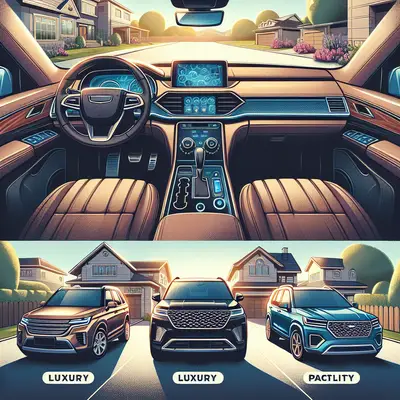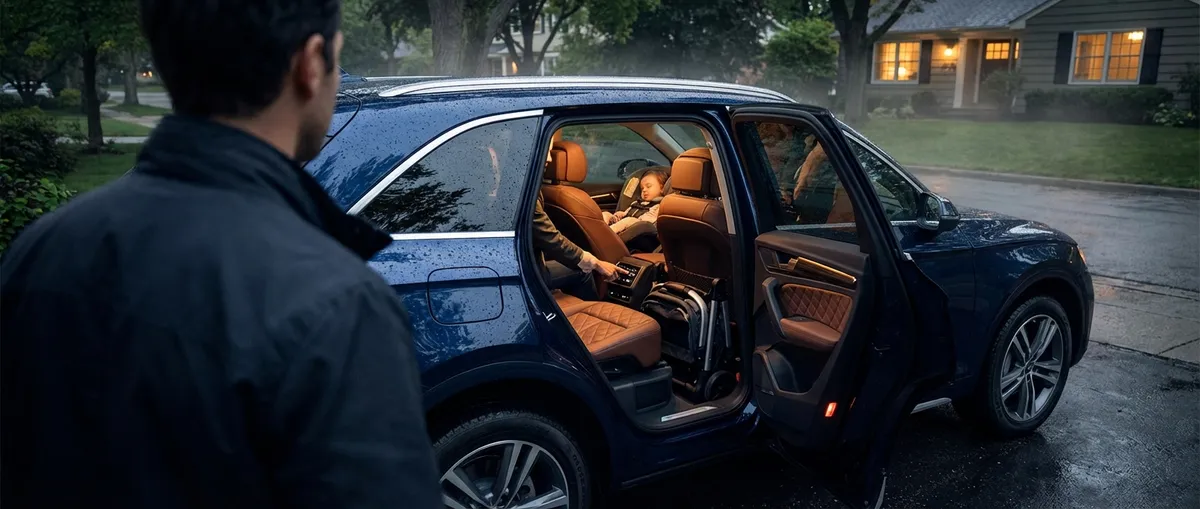
The most satisfying family SUVs rarely shout about their virtues. Their value emerges in the quiet moments: a sleeping toddler who stays asleep over a speed bump, a teen who plugs in without complaining about battery percentage, a partner who arrives at work less tense after the school run. This is where refined, family-focused details separate a merely capable SUV from one that truly elevates daily life. Below, we explore five under-the-radar insights that sophisticated families use to evaluate an SUV far beyond its brochure headlines.
The Art of Cabin Calm: Beyond Simple “Quiet”
Many SUVs advertise “quiet cabins,” but discerning families look for how that quiet is engineered—and what it does for everyone on board.
Start with the source of noise itself. Vehicles with acoustic-laminated glass in the windshield and front windows, insulated wheel wells, and additional sound-deadening around the firewall will manage highway roar and city clatter more effectively than models that simply rely on thicker door seals. The distinction is subtle until you attempt a hands-free call or a naptime drive: reduced background noise makes voices clearer, tempers cooler, and conversations with kids far more relaxed.
Cabin calm also depends on how smoothly the SUV handles imperfect pavement. Families should pay attention during test drives to how the suspension manages potholes and speed humps at neighborhood speeds—this is where you’ll spend most of your time, not at 75 mph. Well-tuned suspensions and longer wheelbases typically soften sharp impacts, preserving sleep for babies and patience for parents. Some premium family SUVs even offer adaptive dampers that adjust firmness in real time, creating a composed ride regardless of whether the car is lightly loaded or carrying a full roster of passengers plus gear.
Finally, consider noise tone, not just volume. A gently muted hum from an engine or hybrid system is far less fatiguing than a droning exhaust or tire resonance. Request a test drive that includes a stretch of coarse pavement, a low-speed, speed-bump-filled residential route, and a short highway section so you can properly evaluate how calm the cabin feels in your real life—not just in the showroom.
True Climate Comfort: Microzones, Air Quality, and Smart Airflow
Climate control is no longer just about whether an SUV has rear vents. The best family-oriented cabins treat temperature and air quality as part of overall well-being.
Multi-zone climate systems are worth more than their spec-sheet bullet point implies. A genuine three- or four-zone setup allows front and rear passengers to maintain different temperatures, which is quietly transformative on long drives. Look for SUVs where rear passengers can control their own settings from a dedicated panel; this matters when older children and teens have strong preferences about temperature and airflow.
Air quality is another differentiator families increasingly prioritize. Many higher-end SUVs offer cabin air filtration or even HEPA-grade systems, designed to capture fine particles and allergens. If anyone in your household has asthma or seasonal allergies, this is not a luxury—it’s practical health support. Some models display air quality metrics on the infotainment screen or offer “air purification” modes that intensify filtering in high-smog or high-pollen conditions.
Also notice how air is delivered. Ceiling-mounted rear vents, for example, disperse air more gently toward children in car seats than strong blasts from knee-level vents aimed directly at their faces. Quiet fans and smart auto modes that avoid constant temperature swings help kids fall asleep and stay comfortable. Use your test drive to explore the climate menus, fan noise at higher speeds, and how quickly the SUV can cool a hot cabin or warm a cold one—a crucial detail on school mornings and summer camp pickups.
Technology That Serves, Not Distracts, the Family
The modern family SUV is inevitably a rolling tech hub—but for a premium experience, technology should be calm, intuitive, and relevant to your routines rather than performatively futuristic.
Prioritize an infotainment system that feels responsive and visually understated. A clean, well-organized interface that responds quickly to inputs reduces the time your eyes are off the road. Look for direct physical controls for crucial functions—volume, temperature, defrost—even if the rest of the cabin is touch-focused. When a spill, meltdown, or urgent snack request happens, tactile knobs and buttons matter.
For families with multiple devices, power management is the hidden luxury. Multiple USB-C ports in every row, ideally offering fast charging, prevent conflicts over cables and dwindling batteries. Wireless charging pads with anti-slip surfaces and good cooling are more than a convenience—overheating phones can stop charging mid-drive, frustrating everyone. Plug in your own device during the test drive to see how well the system integrates with Apple CarPlay or Android Auto, and whether those connections are wired or wireless.
Rear-seat entertainment, where available, is most valuable when flexible. Systems that allow multiple content sources—streaming from a phone, HDMI input for a console, or independent app access—will age far better than fixed, narrow-purpose solutions. And don’t overlook subtle digital features: driver profiles that remember seat, mirror, climate, and navigation preferences; “valet” or “teen driver” modes that limit speed and audio volume; and high-quality 360-degree camera systems that make tight school-parking-lot maneuvers much less stressful.
Subtle Seating Intelligence: Where Space Feels Effortless
Seat count alone doesn’t define usability for a family. The true test is how elegantly an SUV manages the constant choreography of car seats, boosters, adults, and changing needs.
Begin with LATCH anchors and their placement. In a genuinely family-first SUV, they are easy to access without digging into seat creases, and you’ll often find them in multiple positions beyond the typical outboard spots in the second row. Carefully check whether you can keep a child seat installed and still access the third row—some models have tilt-and-slide mechanisms that work even with a forward-facing seat in place, transforming daily drop-offs and pickups.
Second-row flexibility is another quiet marker of quality. Sliding seats with generous fore-aft travel allow you to give third-row passengers real legroom or reclaim cargo space for strollers and sports equipment. Adjustable backrest recline in the second and third rows helps children nap more comfortably and adults endure longer trips with less fatigue. Try seating an adult in every seating position during your evaluation, including the third-row center if available; if someone in your family can sit there without feeling punished, the SUV earns bonus points.
Think beyond the seats themselves to the spaces around them. Wide-opening rear doors, low step-in heights, and handholds placed at child-friendly heights make it easier for kids to climb in on their own—a small change that adds up across hundreds of trips. Flush floor designs in the second row improve comfort for middle passengers and simplify cleaning up crumbs and debris. Consider how easily you can reach each buckling point from outside the vehicle; some SUVs make daily belt fastening far more ergonomic than others.
Quiet Luxury in Storage: Thoughtful Solutions, Not Just Big Numbers
Cargo volume is easy to quote but less useful than many families assume. What truly matters is how intelligently that space is shaped, organized, and illuminated for real life.
Look at the cargo floor height first. A slightly lower load floor allows you to lift strollers, grocery bags, and suitcases with less effort—especially important for grandparents or anyone recovering from injury. Flat-folding rear seats that create a truly level surface are invaluable for sliding bulky items, from science-fair projects to flat-packed furniture. Some family SUVs offer dual-level cargo floors or hidden underfloor storage, ideal for keeping emergency kits, spare diapers, or valuables out of sight without sacrificing everyday usability.
Small storage touches make the biggest difference in lived experience. Covered bins in the center console that can hold a full-size handbag, deep door pockets sized for water bottles, and seatback pockets with secondary compartments for smaller items all contribute to a sense of order. Families should also pay attention to cupholder sizing and placement—oversized bottles, sippy cups with handles, and coffee tumblers all need distinct accommodations.
Cargo-area amenities are another tier of subtle luxury. Look for power-fold rear seats actuated from the cargo area, making it effortless to switch from kid duty to cargo duty. Grocery bag hooks, 12V or 120V power outlets for inflating sports equipment or powering a cooler, and bright, well-placed lighting help evening errands go smoothly. If you’re frequently juggling strollers and children, a hands-free power tailgate that reliably responds to a foot wave is far more than a party trick—it becomes a daily sanity saver.
Conclusion
Sophisticated family SUV shopping lives in the details. While horsepower figures, screen sizes, and marketing headlines compete for attention, families who prize refinement focus on quieter virtues: the quality of cabin calm, the nuance of climate control, the intelligence of seating configurations, the discretion of storage solutions, and the way technology supports, rather than interrupts, family life.
When you step into your next test drive, bring these five insights with you—and evaluate not just how the SUV performs, but how gracefully it will absorb the beautiful, chaotic routine of your family’s days. The right vehicle won’t simply move you; it will make every journey feel more composed, more comfortable, and quietly more luxurious.
Sources
- [National Highway Traffic Safety Administration (NHTSA) – Car Seats and Seating Positions](https://www.nhtsa.gov/equipment/car-seats-and-booster-seats) - Guidance on car seat placement, LATCH usage, and seating considerations for children
- [U.S. Department of Energy – Fuel Economy: Gas Mileage Tips](https://www.fueleconomy.gov/feg/driveHabits.jsp) - Explains how driving conditions, load, and vehicle features affect comfort and efficiency on family trips
- [Environmental Protection Agency (EPA) – Indoor Air Quality and Vehicle Cabins](https://www.epa.gov/indoor-air-quality-iaq/inside-vehicles) - Discusses air quality concerns and filtration considerations inside vehicle cabins
- [IIHS – Rear-Seat Safety and Child Passenger Considerations](https://www.iihs.org/topics/seat-belts/rear-seat-safety) - Research on rear-seat safety, belt fit, and implications for family seating choices
- [BMW Group – Air Quality and Climate Control Technologies](https://www.bmwgroup.com/en/innovation-stories/automated-driving/electric-mobility/interior-air-filtration.html) - Example of advanced cabin air filtration and climate features found in modern SUVs
Key Takeaway
The most important thing to remember from this article is that this information can change how you think about Family Features.