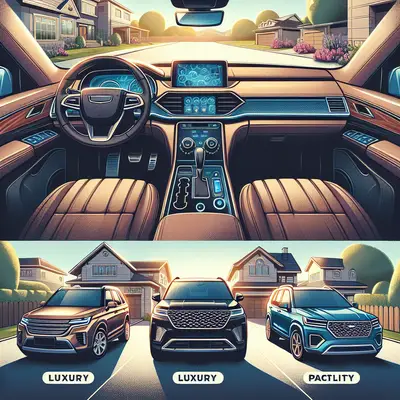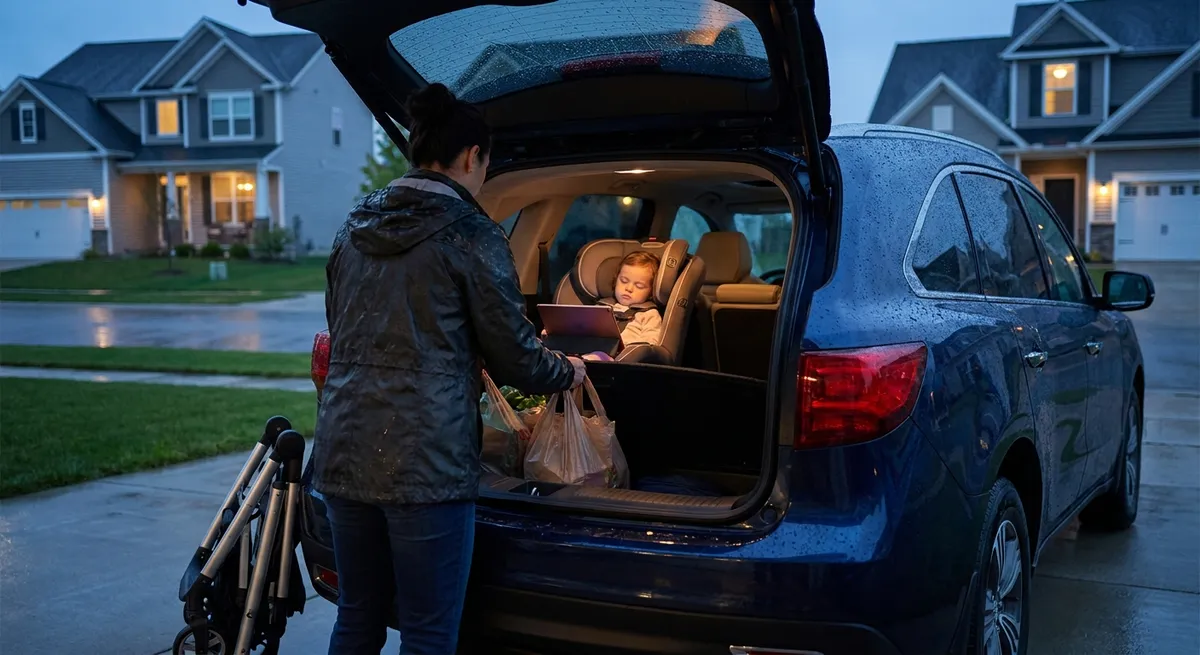
For many families, the right SUV is less about spectacle and more about serenity—about how the vehicle behaves at 7:15 a.m. on a rainy Tuesday, not how it looks in a showroom spotlight. The premium family experience is defined in the details: the way doors close softly when a child is sleeping, how easily a car seat clicks into place, whether everyone can speak at a normal volume at highway speeds. This is where thoughtful engineering and family-focused design transform routine drives into genuinely refined daily rituals.
Below are five exclusive, often-overlooked insights that discerning families will appreciate when evaluating their next SUV.
1. The “Conversation Cabin”: Acoustics That Keep Everyone Connected
A premium family SUV is not just quiet; it’s composed. The goal is not the absence of sound, but the right balance of sound—where road noise is subtly filtered, yet voices across three rows remain clear and natural. This “conversation cabin” quality is influenced by more than just insulation. Laminated glass, hidden door seals, active noise cancellation, and even the shape of the side mirrors all contribute to how a cabin truly sounds in motion.
Families should test this deliberately. On a test drive, place one adult in the third row and speak in a normal, indoor tone from the driver’s seat. Note whether you instinctively raise your voice, whether wind or tire noise competes with conversations, and how the sound system integrates with these conditions. In better-engineered SUVs, music sits behind conversation rather than on top of it, and children can nap without being jolted awake each time the pavement changes. Over years of ownership and thousands of small moments—bedtime drives, school pickup debriefs, weekend road-trip storytelling—this acoustic refinement feels less like a luxury and more like an essential family comfort.
2. Third-Row Access Designed for Real Car-Seat Life
Many spec sheets boast three-row seating, but far fewer are honest about what happens once child seats enter the equation. The true test of a family-first SUV is not just “Does it have a third row?” but “Can we reach it gracefully when both second-row seats have car seats installed?”
Look for designs that allow single-hand tilting or sliding of the second row—even with a forward-facing car seat securely latched. Some manufacturers now engineer dedicated “car-seat-friendly” mechanisms that maintain latch integrity while still opening a usable path to the rear. Pay attention, too, to the height and width of the step-in area, the angle of the second-row seat when tilted, and whether your older child or grandparent could reasonably access the third row without turning the process into a small production.
During your evaluation, mimic real scenarios: install at least one child seat, bring a stroller or bulky diaper bag, and have a family member enter and exit the third row several times. Vehicles that treat third-row ingress as a design priority, rather than an afterthought, allow your SUV to evolve with your family—from rear-facing infants to independent tweens—without constant compromise or reconfiguration.
3. Climate Subtleties: Hidden Comforts That Prevent Meltdowns
Temperature control in a family SUV extends far beyond the presence of “rear air vents” as a bullet point on a brochure. The refinement lies in how precisely and independently each row can achieve comfort, and how well the vehicle anticipates common family situations. Multi-zone climate control that genuinely isolates temperatures between front, middle, and rear rows can mean the difference between an irritable child in the back and a calm, quiet drive.
Look for vents that are thoughtfully placed—on the ceiling or high on the pillars rather than solely at knee level—so cool or warm air reaches rear passengers evenly. Dedicated rear climate controls, ideally with a simple, intuitive interface, let older children self-adjust without distracting the driver. Heated second-row seats and even heated steering wheels may seem indulgent, but on cold mornings with sleepy kids and time-pressed departures, they create a calmer, more cooperative environment almost instantly.
Subtle touches, like solar-absorbing glass to reduce heat build-up, ventilated front seats for parents on long drives, and automatic rear climate restoration (resuming preferred settings on startup), all contribute to an impression that the vehicle understands daily life. Over time, this sense of effortless comfort adds up to fewer complaints from the back and a more tranquil cabin overall.
4. Storage That Respects Both Order and Aesthetics
Truly premium family SUVs manage the inherent chaos of family life without looking chaotic. The most successful interiors provide structured spaces for the inevitable spread of modern essentials—devices, water bottles, snacks, sports gear—while maintaining a visually calm, uncluttered environment when everything is stowed.
Assess how the SUV handles “everyday carry” items. Are there deep, rubberized door bins that can hold a full-size water bottle without rattling? Is the center console large enough for a handbag or small backpack, yet visually integrated with the cabin design? Hidden underfloor storage in the cargo area can be transformative, discreetly housing emergency supplies, stroller accessories, or outdoor gear while preserving a clean, flat loading space above.
Pay close attention to how materials are chosen where family contact is highest. Soft-touch, wipeable surfaces on seatbacks; durable yet elegant fabrics or leathers that resist stains; and high-quality switchgear that doesn’t feel flimsy under repeated use all signal deeper engineering care. The most artful designs allow you to live authentically—spill-proof cups, soccer cleats, school projects—without the vehicle ever appearing overwhelmed by it.
5. Subtle Tech That Serves, Rather Than Distracts, the Driver
Family SUVs today are rich with technology, but what distinguishes a truly considered vehicle is how discreetly that technology supports the driver’s mental bandwidth. The premium experience is less about a dazzling screen and more about reducing cognitive load—quietly handling routine tasks so the driver can focus on the road and the people in the car.
Seek interfaces where core functions—audio, navigation, climate—remain accessible via physical controls or well-placed shortcuts, minimizing the need to scroll through menus while in motion. Wireless smartphone integration that connects quickly and reliably, without a cable ritual every time, can streamline daily departures. Equally, look for driver assistance systems—adaptive cruise control, lane centering, blind-spot monitoring—that are configurable and gentle, supporting rather than startling the driver.
Features such as head-up displays that show only essential data, profiles that remember each driver’s seating, mirror, and climate preferences, and high-quality, low-glare screens all point to an understanding that families value calm over spectacle. Over months and years, this kind of “quiet tech” doesn’t just impress during a test drive; it consistently reduces friction in day-to-day use, making every school run and weekend escape feel more composed.
Conclusion
The most rewarding family SUVs distinguish themselves not through a single headline feature, but through a series of refined, almost discreet decisions that honor how families truly live. A cabin where conversations flow easily, third-row access that respects the reality of car seats, climate systems that preempt discomfort, storage that tames clutter without sacrificing elegance, and technology that supports rather than competes for attention—all contribute to an elevated daily experience.
For families who view their SUV as an extension of the home rather than a mere appliance, these nuances matter deeply. They turn routine journeys into quietly luxurious moments of connection, order, and calm—exactly where premium design earns its place in family life.
Sources
- National Highway Traffic Safety Administration (NHTSA) – Child Safety Seat Use - Background on proper child seat installation and considerations that influence seating and access design
- IIHS – Rear-Seat Safety and Child Occupant Protection - Research and guidelines that inform best practices for family seating layouts and restraints
- Harvard Health Publishing – The Health Effects of Noise - Explores how noise levels affect stress and well‑being, relevant to evaluating cabin quietness
- U.S. Department of Energy – Vehicle Technologies and Fuel Efficiency - Offers technical context on modern vehicle systems and features that influence daily comfort and efficiency
- Consumer Reports – How to Choose the Best SUV for Your Family - Practical family-focused SUV buying considerations that complement the refined, detail-oriented perspective above
Key Takeaway
The most important thing to remember from this article is that this information can change how you think about Family Features.