For many families, the right SUV is less about spectacle and more about quiet excellence—the small, intelligent touches that transform every errand, school run, and weekend escape into something effortlessly composed. Beyond the headline specs and glossy brochure language, a new generation of family SUVs is defined by nuanced features that anticipate real life: the scattered shoes, the sleepy toddlers, the back-seat negotiations over who gets the last USB port.
This is where the true differentiation lies. Not in the size of the grille, but in the grace with which an SUV supports your family’s daily choreography. Below are five exclusive, under-the-radar insights that reward close attention—and may decisively shape your next purchase.
Insight 1: Cabin Layout as a “Moving Living Room”
For families, interior design is not simply about seat count; it is about how gracefully space can be reconfigured from school day to ski weekend without a second thought.
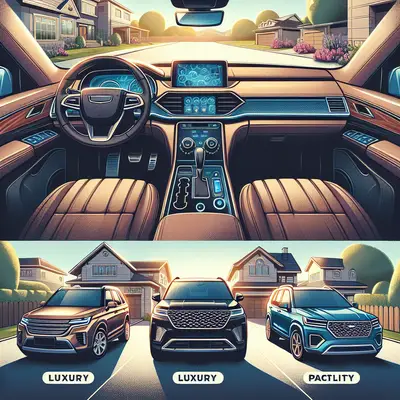
Premium family SUVs now treat the cabin as a modular living room on the move. Look for second-row seats that slide, tilt, and recline independently, allowing you to fine-tune legroom between rows rather than forcing an all-or-nothing compromise. The ability to tilt and slide a second-row seat even with a child seat installed can be transformative when accessing the third row—especially for grandparents and caregivers who shouldn’t be climbing or contorting.
Equally important are walk-in and walk-through pathways. A thoughtfully sculpted center console or captain’s chairs with sufficient pass-through space can spare you from removing bags or booster seats just to reach the back. Pay attention to where cupholders, storage cubbies, and door bins are positioned relative to seat heights and buckles—it’s the difference between an SUV that feels intuitive and one that feels like a puzzle.
The most refined cabins also manage to be visually calm, even when fully loaded. Hidden storage under the cargo floor, flush-folding seats that create a level load surface, and seatbacks that fold with one graceful motion allow the interior to pivot from passenger lounge to cargo hold without drama. The goal is clear: a space that adapts seamlessly to your family, instead of your family constantly adapting to the space.
Insight 2: Acoustic Comfort That Calms the Entire Car
Modern life is loud; your SUV doesn’t have to be. Families often underestimate how deeply acoustic refinement influences comfort, stamina, and even the temperament of passengers on longer drives.
Premium family SUVs now borrow technologies once reserved for luxury sedans: acoustic-laminated glass, strategically placed sound-deadening materials, and active noise cancellation that subtly counters road and engine noise. The real enchantment, however, isn’t silence for its own sake—it’s the creation of a calm auditory environment where conversations aren’t a strain and a sleeping child can remain asleep when the pavement turns coarse.
There is also a critical distinction between simply muting noise and shaping sound quality. Well-tuned cabins minimize sharp, fatiguing frequencies while preserving a gentle, reassuring sense of motion. Families who carpool or commute extensively will notice reduced end-of-day exhaustion when the cabin feels aurally composed rather than perpetually busy.
When test-driving, lower the music and listen. Note how the vehicle sounds at highway speed, over expansion joints, in crosswinds, and on different road surfaces. Does the third row experience the same acoustic comfort as the front? Can you speak in a normal tone from the driver’s seat to the far rear? These are not indulgent questions—they are the foundation of a car that feels genuinely livable over years of family use.
Insight 3: Quietly Intelligent Climate and Air Quality
Climate control in family SUVs has progressed far beyond simple dual-zone thermostats. For families, the distinction between adequate and exceptional often lies in how well the vehicle adapts to varying ages, sensitivities, and seating positions.
Look for tri-zone or quad-zone climate control that allows the third row to enjoy its own settings rather than depending on a distant vent. Ceiling-mounted vents can distribute air more gently and evenly, preventing cold blasts on small faces and allowing air to “fall” softly through the cabin. Rear climate panels that are intuitive enough for children to manage responsibly can reduce “too hot” and “too cold” complaints and help them feel more in control of their space.
Increasingly, premium SUVs also feature advanced filtration and air-quality monitoring systems. Cabin air filters designed to capture fine particulates, pollen, and in some models even certain odors, can make a meaningful difference for families with allergies or respiratory sensitivities. Some vehicles now allow you to pre-condition and ventilate the cabin remotely, so summer pickups and winter morning departures are far more genteel.
The true hallmark of a refined family SUV is climate that fades into the background—no hot spots, no chilled knees, no foggy windows endlessly cycling between defrost and recirculate. On a test drive, occupy every row, adjust settings, and observe how quickly and evenly the cabin reaches a comfortable equilibrium. Subtle competence here is one of the greatest everyday luxuries an SUV can offer.
Insight 4: Thoughtful Tech That Enhances, Not Distracts
Family SUVs are often sold on their screens, ports, and apps—but the real measure of value is how discreetly technology supports family life without taking over the cabin.
Refined family-focused tech begins with clear, low-glare displays that remain legible in direct sunlight and at night, and with interfaces that minimize multitap menus while driving. Look for systems that prioritize physical controls where they matter most—volume, temperature, defrost, and drive modes—while relegating less-frequent adjustments to the touchscreen. This balance reduces distraction and allows drivers to operate key functions by feel, not by sight.
For passengers, multiple USB-C ports, household-style outlets, and wireless charging pads are now essential rather than extravagant. The distinction to look for is intentional placement: Are charging surfaces grippy enough to keep phones from sliding during turns? Are ports evenly distributed so every row has practical access, not just the front?
Rear-seat entertainment, if you choose it, should feel like a complement to family interaction, not a barrier. Systems that allow independent audio zones, integrated streaming, or easy screen mirroring can keep long trips peaceful, but the best setups also make it effortless for parents to override content, turn everything off at once, or switch to shared playlists when it’s time to reconnect.
Finally, consider driver-assistance and monitoring technologies as part of the tech ecosystem. Adaptive cruise control, lane-keeping support, and advanced cameras are now sophisticated enough to genuinely reduce cognitive load in traffic and during parking. The more gracefully these systems intervene—predictably, gently, and with clear feedback—the more confidence they inspire, particularly with precious cargo on board.
Insight 5: Daily-Use Details That Discreetly Transform Family Life
Some of the most valuable family features are the ones rarely highlighted in advertisements yet quietly used every single day.
Refined cargo areas now offer hands-free tailgates that respond with minimal delay, wide openings that accommodate strollers and sports gear without angle gymnastics, and cargo floors at a height that makes loading both heavy suitcases and grocery bags painless. Look for adjustable cargo floors or multi-level systems that conceal valuables below while still providing a flat surface above.
Inside the cabin, notice the shape and depth of storage spaces rather than just their quantity. Door pockets large enough for family-sized water bottles, a center console that organizes rather than simply holds clutter, and dedicated slots for tablets, sunglasses, and key fobs prevent the slow creep of chaos. Some SUVs now offer integrated trash receptacles, removable organizational bins, and even hooks designed for handbags and backpacks that keep the footwells clear.
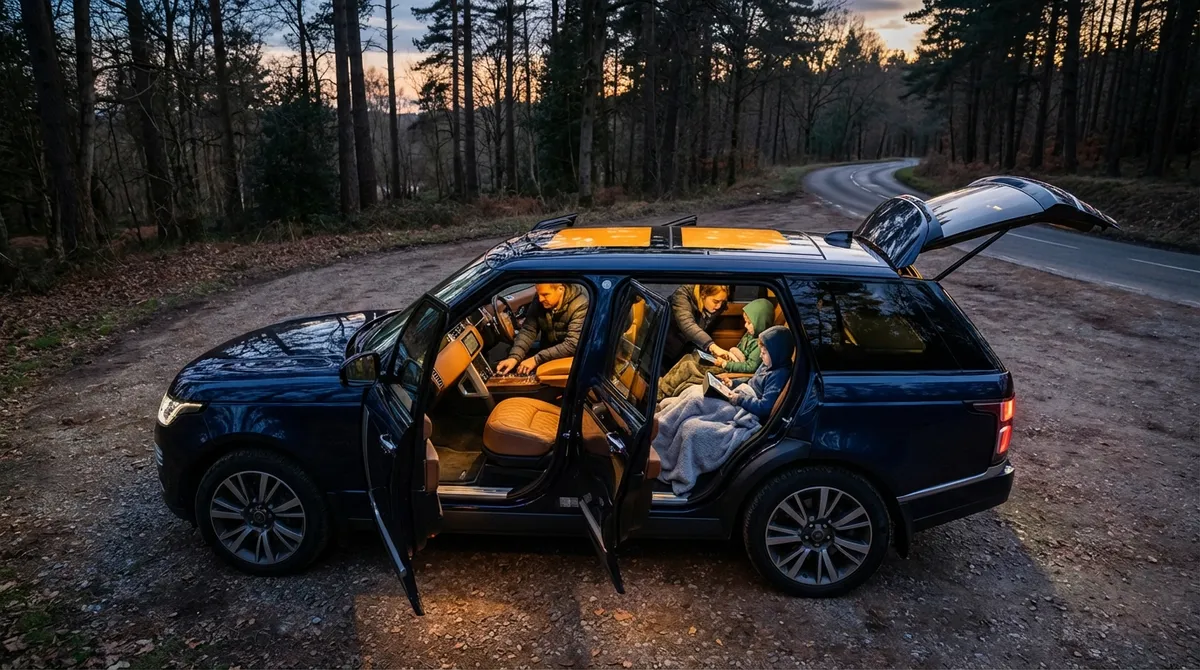
Child-friendly touches can be elegantly executed as well: rear doors that open wide for car-seat access, integrated sunshades that disappear into the door when not needed, low door sills that shorten the step-in height for small legs, and seat fabrics or leather finishes specifically engineered for easier cleaning without feeling utilitarian.
These details rarely dominate the spec sheet, yet they shape your experience every time you drive. When evaluating a potential family SUV, imagine a typical Monday morning and a typical Saturday afternoon. Where do backpacks go? How easily can you secure a sleeping child without waking them? How quickly can you stow a scooter or sports bag and still have room for groceries? A truly sophisticated family SUV feels prepared for all of it—without calling attention to the effort.
Conclusion
The most compelling family SUVs today are not simply large or powerful; they are subtly considerate, composed spaces that recognize the realities of family life and respond with quiet intelligence. From modular cabin layouts to acoustic refinement, from nuanced climate systems to unobtrusive technology and everyday usability, these refined features collectively shape whether your SUV feels like a mere vehicle or an extension of your home.
As you explore your options, it can be tempting to focus solely on headline numbers and dramatic design cues. Instead, take a slower, more discerning approach: sit in every seat, listen to the cabin, open every storage compartment, and rehearse your everyday routines within the space. The right SUV will reveal itself less through spectacle and more through the graceful way it supports your family’s life—day after day, year after year.
Sources
- National Highway Traffic Safety Administration (NHTSA) - Authoritative information on vehicle safety technologies and driver-assistance systems relevant to family vehicles
- Insurance Institute for Highway Safety (IIHS) – Ratings and Research - Independent crash-test data and evaluations of vehicle structure and safety features, useful context when assessing family SUVs
- U.S. Environmental Protection Agency (EPA) – Fuel Economy - Official data on fuel economy and emissions, helpful for comparing efficiency across family SUVs and powertrains
- Edmunds – Car Features and Options Explained - Detailed breakdown of modern vehicle features, including comfort, tech, and convenience elements that affect family use
- Consumer Reports – Guide to Car Safety Features - Independent overview of key safety and driver-assist technologies that often appear in family SUVs
Key Takeaway
The most important thing to remember from this article is that this information can change how you think about Family Features.