For many families, the right SUV is less about spectacle and more about how gracefully it supports real life. It’s the school run that feels surprisingly calm, the weekend route that flows instead of frays, the cabin that still feels composed after a long day. When you look past the obvious specs and headline features, an entirely different layer of value appears—one built from thoughtful details, quiet engineering, and family-first design.
This is where sophisticated family SUVs truly distinguish themselves. Not by being louder or larger, but by being smarter, calmer, and more attuned to how you actually live. Below are five refined, often-overlooked insights that can transform the way a family experiences an SUV.
1. Cabin Architecture That Preserves Adult Calm and Child Comfort
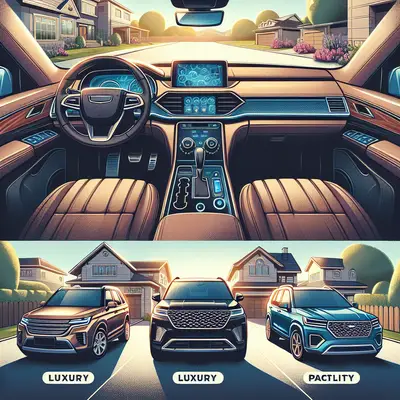
A genuinely family-ready SUV does more than “seat seven.” Its entire interior architecture is choreographed so every passenger, from toddler to grandparent, has a space that feels intentional rather than improvised.
Look closely at:
- Seating height and hip point: Slightly elevated hip points make it easier for adults and older relatives to enter and exit gracefully, while children enjoy a clearer view out the side windows, reducing restlessness and motion sickness.
- Third-row geometry: Premium family SUVs increasingly design the third row for real humans, not occasional overflow—pay attention to footwell depth, thigh support, and headroom. If an adult can sit there comfortably for an hour, your teenagers will thank you later.
- Independent climate zones: Dual-zone climate is now common; tri-zone or even quad-zone control is the understated luxury that keeps front occupants cool while children in the rear feel warmly cocooned.
- Smart storage that’s not an afterthought: Covered storage between the front seats, a dedicated place for a handbag or laptop, and door pockets that actually fit reusable water bottles offer a sense of everyday order that families deeply feel.
When you sit in a potential SUV, linger for a few minutes as if you’ve just returned from a long day. Does the cabin invite you to exhale, or does it feel like a compromise? That answer is often determined by these quiet, architectural decisions.
2. Acoustic Sophistication: How Quiet Really Feels at 70 mph
Noise levels are rarely marketed as family features, yet acoustic refinement may be one of the most meaningful contributors to daily contentment in a family SUV.
Beyond simple “quiet cabins,” seek evidence of:
- Laminated front and side glass: This technology softens wind and traffic noise, especially at highway speeds, making it easier to converse with back-row passengers without raising your voice.
- Active or well-tuned engine mounts: These reduce the faint but persistent vibration that can leave everyone subtly more fatigued at the end of a long trip.
- Tire selection and wheel size: High-end family SUVs often pair well-insulated wheel wells with thoughtfully chosen tires to limit road roar. Enormous wheels may look striking but can introduce more harshness—balanced sizing tends to feel more composed.
- Aerodynamic detailing: Smooth underbody panels, carefully shaped mirrors, and hidden roof rails reduce wind turbulence, which you’ll hear most clearly on exposed highways.
During a test drive, turn off the audio system, settle in at a steady speed, and simply listen. A quieter cabin isn’t just a luxury; it’s a form of mental space for parents and a calmer sensory environment for children.
3. Tech That Disappears Into the Background of Family Life
For families, the best in-car technology often feels almost invisible. It doesn’t demand attention; it anticipates it. True sophistication lies in systems that work intuitively for every age and tech-comfort level in the household.
Consider:
- Profile-based personalization: Some higher-end SUVs can remember individual driver profiles—seat, mirrors, climate, favorite navigation settings—so the car resets itself seamlessly between partners or caregivers.
- Thoughtful screen strategy: A tasteful balance between physical controls and touchscreens matters more for families than spec sheets suggest. Essential functions—volume, temperature, drive modes—should be operable by feel, even when a child in the back needs you mid-journey.
- Rear-seat digital civility: Rear entertainment systems that support streaming, headphones, and individual profiles can turn long drives into personal quiet time rather than group negotiation sessions. Look for rear USB-C ports placed where cords don’t tangle around feet.
- Calm, clear driver assistance: Adaptive cruise, lane centering, and parking assist are not indulgences for parents; they’re fatigue-reducers. The most refined systems don’t nag or surprise you—they communicate gently and predictably.
Ask yourself: does the technology feel like a partner in your day, or an obligation to manage? In a truly family-oriented SUV, tech recedes, and the sense of effortlessness takes center stage.
4. Cargo Solutions That Respect Both Errands and Escapes
Every SUV claims ample cargo space. The real distinction lies in how cleverly that space is shaped, accessed, and protected. A sophisticated family SUV is one that gracefully transitions from stroller and sports gear to weekend luggage and home projects without drama.
Look for the following details:
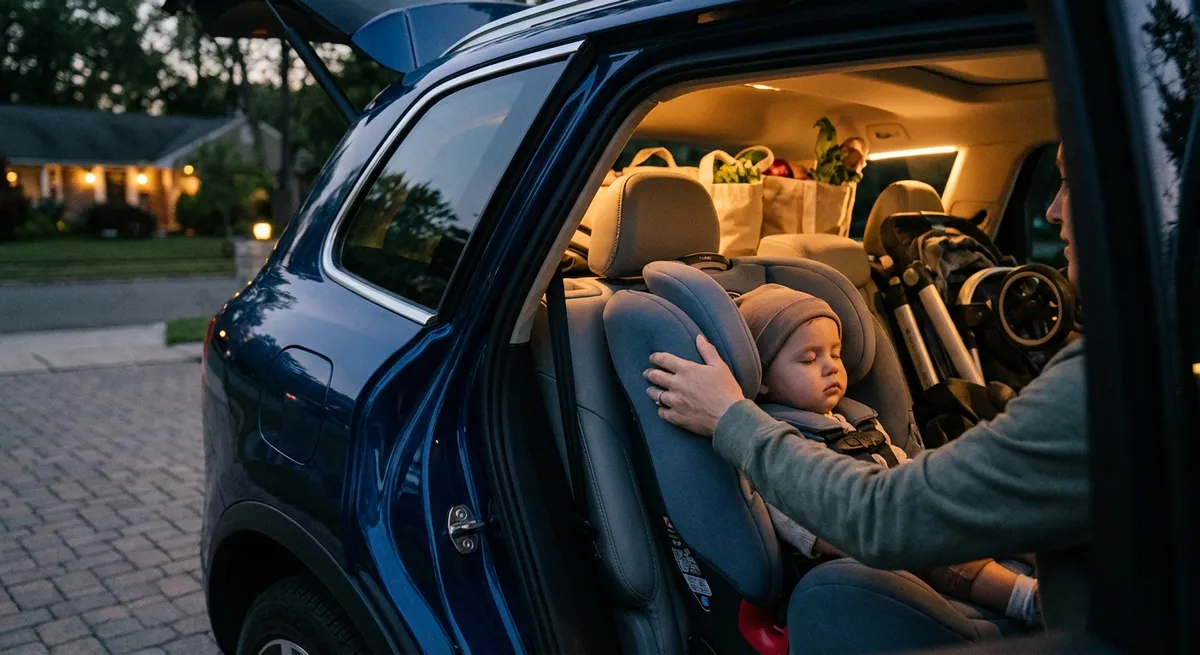
- Usable space with all rows up: Many families live most of the week with all three rows occupied. Pay attention to the vertical space and floor depth behind the third row—does it realistically fit a grocery run or compact stroller?
- One-touch folding executed elegantly: Premium models allow you to lower rear seats from the cargo area with a simple, reliable mechanism. Fewer contortions mean less frustration in parking lots and school pickup zones.
- Flat, low cargo floor: A minimal lift-over height protects your back when lifting in a heavy suitcase, cooler, or sports equipment. The difference of a few inches becomes very real over years of use.
- Materials that age with grace: High-quality, slightly textured materials in the cargo area disguise scuffs more gracefully than glossy plastics, and integrated rails or hooks make it easy to secure fragile or gourmet grocery bags.
Imagine your family’s busiest Saturday, then mentally “load” that day into the cargo area. A genuinely well-designed SUV will absorb it all without becoming visually or physically chaotic.
5. The Art of Long-Distance Ease: Ride, Seating, and Small Rituals
What truly separates an adequate family SUV from an exceptional one often appears on journeys longer than an hour. This is where ride quality, seating sophistication, and small conveniences converge.
Focus on:
- Seat contour and subtle adjustability: Look for multi-way adjustable front seats with extendable thigh support, fine lumbar control, and gentle side bolstering. For growing teens, second-row sliding and reclining seats can make the difference between endurance and comfort.
- Ride composure over imperfect roads: The most refined family SUVs strike a careful balance—controlled but not harsh, cushioned but not floaty. Adaptive suspension, when well-tuned, can provide family-friendly comfort without sacrificing stability.
- Soft-touch surfaces where hands naturally land: Padded window sills, armrests at the right height, and a steering wheel with quality leather all contribute to a sense of calm, tactile reassurance on longer drives.
- Thoughtful “journey rituals”: Features like configurable ambient lighting, quiet but capable sound systems, in-cabin air filtration, and rear sunshades work together to create a cocoon-like experience. These touches don’t shout, but you’ll notice them when everyone arrives less frazzled.
During a longer test drive, note how you feel when you step out: refreshed, or quietly weary? A well-resolved family SUV leaves you ready to step into the rest of your day, not recover from the drive.
Conclusion
For discerning families, the most meaningful SUV features rarely appear in bold headlines. They are the soft-close doors that prevent a sleeping infant from stirring, the well-calibrated suspension that makes a rough street feel civilized, the third row that feels like a genuine seat at the table, not an afterthought.
Choosing such an SUV is less about chasing the latest trend and more about recognizing quiet excellence—the kind that continues to reward you every school morning, every late-night airport pickup, every unplanned weekend away. When you evaluate a family SUV through this lens of subtle, family-focused luxuries, specifications become only one part of the story. The rest is how gracefully it carries your life.
Sources
- NHTSA: Vehicle Safety Ratings & Consumer Information - U.S. government safety ratings and explanations of key safety and driver-assistance technologies relevant to family vehicles
- IIHS: Vehicle Ratings - Independent crash-test results, headlight evaluations, and child-seat anchor ratings for SUVs and other family vehicles
- Edmunds: Car Interior Noise Levels and Comfort - Analysis and examples of cabin quietness, materials, and ride comfort in modern vehicles
- Consumer Reports: SUV Buying Guide - Broad overview of what to consider when choosing an SUV, including seating, cargo, and family-oriented features
- EPA: Fuel Economy Guide - Official fuel economy data to help families compare efficiency among different SUV models and powertrains
Key Takeaway
The most important thing to remember from this article is that this information can change how you think about Family Features.