There is a quiet art to choosing the right family SUV. It’s less about sheer size or badge prestige, and more about the thoughtful, often-overlooked details that turn every drive—from school runs to weekend escapes—into something calmer, safer, and more graciously organized. For families who notice the small things, the difference between “good enough” and “just right” lives in a handful of refined features and design choices.
Below, we explore five exclusive, real‑world insights that elevate a family SUV from practical to quietly exceptional.
Insight 1: Cabin Layout That Respects Real Life, Not Just Brochures
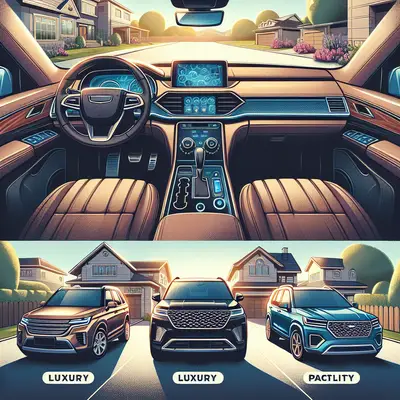
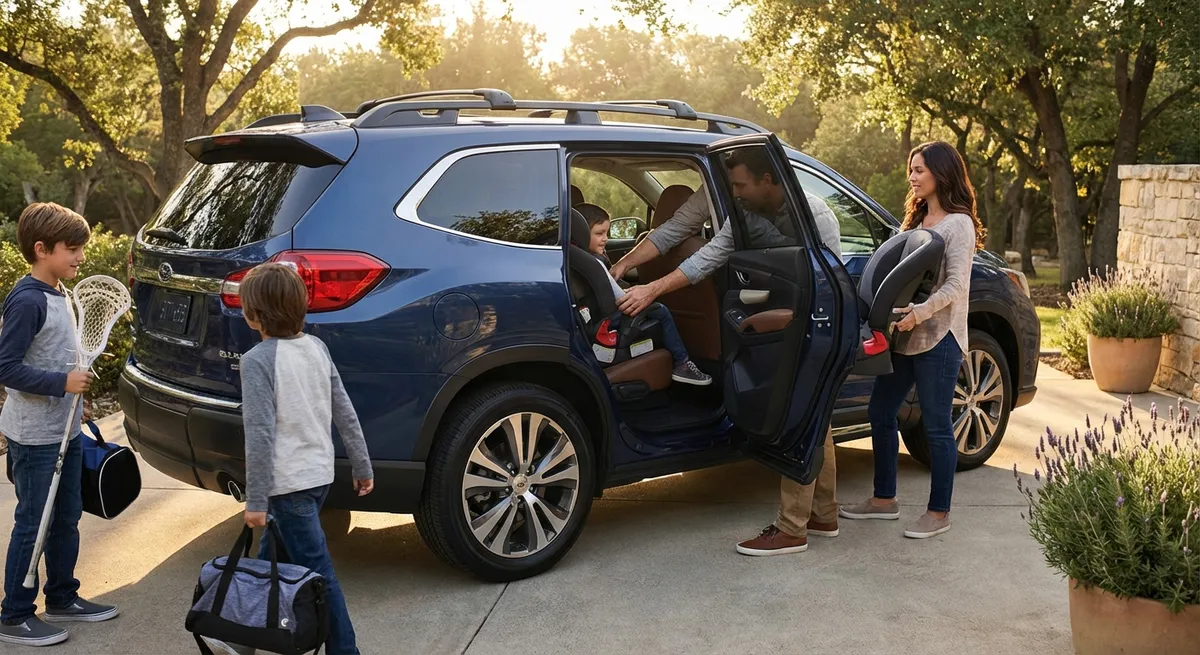
Many SUVs photograph beautifully, yet feel compromised the moment you strap in a car seat, stow a stroller, and add a sports bag. Families benefit most from cabins conceived around actual daily rhythms: loading, buckling, passing snacks, and retrieving that lost water bottle without contortionist maneuvers.
Look for second rows that slide and recline independently, allowing a delicate balance between child legroom, luggage space, and third‑row comfort. Isofix/LATCH anchor points should be robust, clearly marked, and ideally present in more than two positions to support evolving family needs. Floor tunnels should be minimal so the “middle seat” is not a punishment, and door openings should be wide enough for easy in‑and‑out even in tight parking structures.
Consider how the cabin behaves when you are alone, too. Can the third row fold flat in one motion from the tailgate? Are there physical buttons in the cargo area to drop seats without walking around? These seemingly modest touches mean you can go from full family mode to flat‑floor cargo mode in seconds, without theatrics—or waking a sleeping child. Family‑oriented luxury is rarely about spectacle; it’s about effortlessness.
Insight 2: Quiet, Clean Air as a Daily Luxury
For parents, quiet is not just a comfort—it’s a safety feature. A calmer, quieter cabin makes it easier to hear navigation prompts, subtle mechanical noises, or the small voice in the second row asking an important question. Yet cabin refinement is often reduced to a line in a brochure rather than experienced as a daily advantage.
Focus on SUVs that invest in acoustic lamination for the front glass (and ideally side windows), extensive door seals, and active noise‑cancellation where available. On a test drive, pay attention to wind noise around the mirrors, tire roar on imperfect pavement, and how well the vehicle insulates you from passing trucks. This auditory serenity helps keep driver fatigue at bay on long drives and creates a more composed environment for children.
Equally important is cabin air quality. Advanced filtration systems—sometimes with HEPA‑grade filters or PM2.5 sensors—can reduce pollutants, allergens, and odors. For urban families or those frequently in traffic, an automatic “recirculate” mode and real‑time air‑quality display can transform the cabin into a moving sanctuary. The result is a space that feels not just quiet, but clean and restorative—subtle luxuries that accumulate over years of daily use.
Insight 3: Lighting That Guides, Calms, and Reassures
Lighting is one of the most underrated family features in an SUV, yet it shapes how evenings, early‑morning airport runs, and winter commutes feel. Thoughtful lighting design extends far beyond a panoramic sunroof.
Start with ambient interior lighting. Discreet LED strips along the doors and dashboard, footwell illumination, and gentle overhead lights help children find seat belts and dropped items without harsh glare. A soft, adjustable color temperature is more calming on late‑night drives than stark white lighting. Look for reading lights that are directional, allowing a child to read or draw without distracting the driver.
Outside, adaptive LED or matrix headlights offer more than aesthetic drama—they improve visibility on unlit roads while minimizing glare for oncoming traffic. For families regularly navigating dark driveways or dimly lit neighborhoods, features like automatic high beams, corner‑illuminating fog lights, and “welcome” lighting that gently brightens as you approach add layers of reassurance.
Even the placement of simple details—illuminated door handles, puddle lights that reveal obstacles, and clear lighting in the cargo area—can make after‑dark loading safer and more composed. When refined lighting is done well, it quietly orchestrates every movement around the vehicle, especially when your hands are full and your attention divided.
Insight 4: Technology That Serves the Family, Not the Other Way Around
Modern SUVs often resemble rolling tech showcases, but for families, the question is not “how much technology?” but “how gracefully does it help?” The best family‑oriented systems prioritize clarity, simplicity, and minimal distraction.
A large, high‑resolution central display is less useful if basic tasks are buried two menus deep. During a test drive, time how long it takes to adjust climate zones, activate seat heating, or enable the rear climate control. Essential functions should ideally have physical buttons or T‑shaped toggles that can be used by feel. Voice assistants can be excellent for hands‑busy situations—“set temperature to 70 degrees,” “navigate to school,” or “call home”—provided they are responsive and intuitive.
For children, rear‑seat connectivity is critical. Multiple USB‑C ports (not just one per row), 120V outlets for laptops, and stable Wi‑Fi hotspots can turn long journeys into productive or peacefully entertained time. Rear entertainment screens, where offered, should integrate cleanly with streaming devices rather than locking you into dated, built‑in software.
Driver‑assistance features such as adaptive cruise control, lane‑keeping assistance, blind‑spot monitoring, and rear cross‑traffic alert are especially valuable in family vehicles. The refinement lies not only in availability but in how natural they feel—subtle steering support rather than abrupt corrections, smooth braking when following another car, and clear, unintrusive alerts. Technology should feel like a confident co‑pilot, never a nagging back‑seat driver.
Insight 5: Materials and Storage That Age Gracefully with Your Family
Family life is dynamic: booster seats replace infant carriers, sports gear replaces diaper bags, and family road trips gain more luggage and complexity. The best SUVs acknowledge this arc with durable, elevated materials and properly engineered storage.
Look for upholstery that balances tactile luxury with resilience. High‑quality leather or premium synthetic alternatives should resist staining, be easy to wipe, and retain their finish despite constant use. Subtle textures, double stitching, and thicker seat bolsters are signs of thoughtful craftsmanship. Darker carpets, slightly grained plastics in high‑touch areas, and metal‑feeling controls resist the patina of daily life more gracefully than shiny, fingerprint‑prone surfaces.
Storage is another quiet differentiator. Examine the door bins: can they hold large water bottles without rattling? Are the seatback pockets robust, not flimsy? Is the center console deep and configurable, or simply a shallow compartment? A low, squared‑off cargo area with minimal intrusion from wheel wells is more usable than a larger space compromised by awkward shapes.
Families also benefit from under‑floor storage for valuables or emergency kits, hooks to secure grocery bags, and adjustable load floors to create a nearly level surface with folded seats. These small pieces of design intelligence allow the SUV to adapt as your family evolves, without your cabin descending into permanent clutter.
Conclusion
Selecting a family SUV at a premium level is less about chasing the latest trend and more about understanding how carefully considered details shape every journey. A cabin laid out for real life, quiet and clean air, intelligent lighting, intuitive technology, and materials that age with dignity all contribute to a vehicle that supports your family with understated excellence.
When these elements come together, your SUV becomes more than transport. It becomes a moving extension of your home—calm, capable, and quietly attuned to the people who matter most.
Sources
- [Insurance Institute for Highway Safety (IIHS) – Child seat safety and LATCH evaluations](https://www.iihs.org/ratings/child-seat-anchors) - Provides insight into the importance of well‑designed child‑seat anchors and real‑world usability ratings
- [U.S. Environmental Protection Agency – Indoor Air and Transportation](https://www.epa.gov/indoor-air-quality-iaq/transportation-and-indoor-air-quality) - Explains how air quality and filtration in vehicles can affect health, especially for children
- [National Highway Traffic Safety Administration (NHTSA) – Driver Assistance Technologies](https://www.nhtsa.gov/equipment/driver-assistance-technologies) - Outlines common advanced driver‑assistance features and their safety relevance for families
- [Harvard Health Publishing – Noise and Health](https://www.health.harvard.edu/staying-healthy/hearing-loss-and-noise) - Discusses how noise exposure impacts stress and fatigue, supporting the value of quieter cabins
- [BMW Group – Air filtration and interior air quality technologies](https://www.bmwgroup.com/en/news/general/2020/air-filtration.html) - An example of how premium manufacturers implement advanced cabin air‑filtration and air‑quality systems
Key Takeaway
The most important thing to remember from this article is that this information can change how you think about Family Features.