For families who value discernment over drama, choosing an SUV is less about hype and more about harmony—how seamlessly a vehicle supports your daily rhythm, protects what matters most, and maintains an atmosphere of calm, even on chaotic days. This guide is crafted for households that appreciate subtle engineering, thoughtful design, and long-term value over fleeting trends. Rather than repeating conventional checklists, we’ll explore five exclusive insights that quietly distinguish a truly exceptional family SUV from a merely competent one.
The Architecture of Calm: Cabin Layout That Reduces Daily Friction
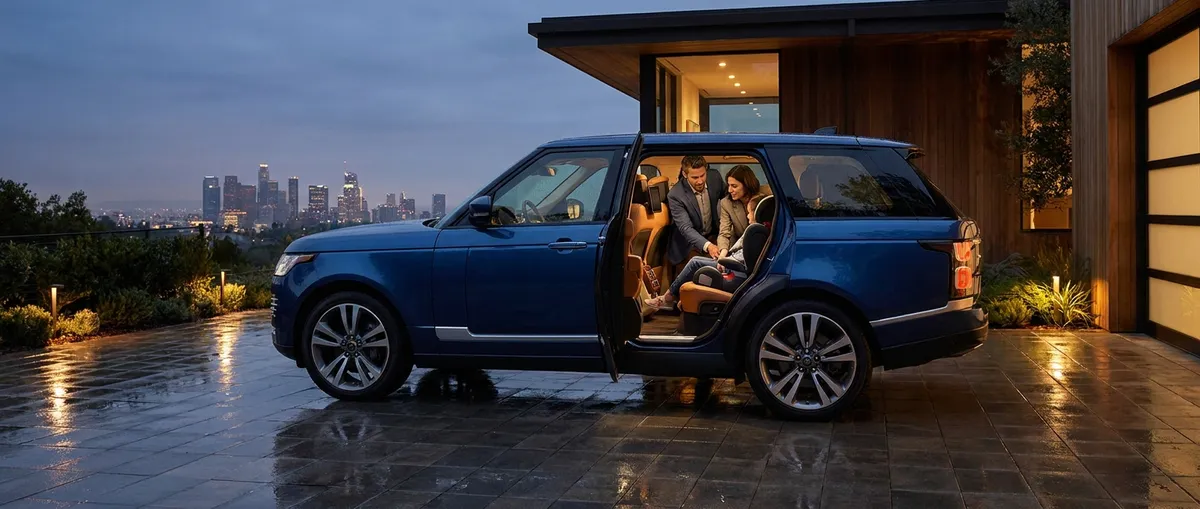
Beyond leather quality and screen size, the true luxury in a family SUV is an interior that systematically removes small frictions from your day. Start by looking at how the cabin is organized, not just how it looks in photos. Are the door openings wide enough for graceful entry while holding a child or work bag? Do the second-row seats slide and recline independently, allowing you to tailor space between passengers and cargo without a negotiation every time you load up?
Pay attention to how the vehicle handles real-life clutter. Covered storage for handbags and devices, flock-lined compartments to prevent rattling, and wireless charging pads positioned so phones stay put can transform everyday drives. Examine the center console: Can the driver reach key controls without leaning? Are cupholders sized for insulated bottles, not just disposable cups? In the third row, note whether adults can sit there comfortably for more than a few minutes—this is often the litmus test of thoughtful packaging. A refined family SUV doesn’t just seat everyone; it orchestrates an interior where each person can settle in without conflict.
Quiet Confidence: Sound, Ride, and the Subtle Art of Serenity
For many families, refinement is most obvious in what you don’t hear and don’t feel. Two test drives of similar SUVs can feel remarkably different purely due to how each manages noise, vibration, and harshness. On your evaluation drive, turn off the audio system and listen. Is there a persistent hum from the tires? Does wind noise appear around the mirrors or pillars at highway speeds? Does the engine sound composed under acceleration, or strained and busy?
Suspension tuning is equally important. Seek a balance that filters broken pavement and expansion joints without becoming floaty or vague. If available, sample a model with adaptive dampers or an upgraded suspension package; these can provide a more settled ride when loaded with passengers and luggage. Multi-layer glass, extensive door sealing, and acoustic insulation might not appear in marketing soundbites, but they dictate how relaxed you feel after a three-hour drive with children in the back. The most sophisticated family SUVs create a cocoon—one in which conversations can be held in normal tones and fatigue builds slowly, not suddenly.
Tech That Serves, Not Distracts: Evaluating Digital Refinement
In a premium family SUV, technology should feel like a discreet concierge, not a demanding guest. Rather than being impressed by sheer screen size, consider clarity, speed, and intuitiveness. Is the interface logically arranged, or does it require diving through menus for simple tasks like adjusting climate or heated seats? Physical controls for frequently used functions—volume, temperature, defrost—are more than nostalgic; they allow quick, eyes-up adjustments while driving.
Wireless Apple CarPlay and Android Auto, multiple USB-C ports across all rows, and a high-quality voice assistant can streamline modern family life. However, also examine how the vehicle manages updates and digital longevity. Some manufacturers offer over-the-air software updates, keeping navigation, safety systems, and infotainment current without dealership visits. That can significantly extend the “freshness” of your SUV over a five- to ten-year ownership cycle. Finally, explore rear-seat tech: Are there thoughtful solutions for device storage, charging, and media without turning the cabin into a tangle of cables and screens? The finest solutions blend seamlessly into the design rather than dominating it.
Thoughtful Safety: Beyond Ratings to Real-World Usability
Top safety scores are only the beginning for a family-focused SUV. The next level of sophistication lies in how effortlessly those safety features integrate into daily driving. Look for advanced driver-assistance systems (ADAS) such as adaptive cruise control, lane centering, blind-spot monitoring, and rear cross-traffic alert—but go further by assessing how natural they feel. Does adaptive cruise accelerate and brake smoothly, or in abrupt bursts? Does lane-keeping assist gently guide, or constantly nag?
Evaluate how easy it is to install and inspect child seats across multiple rows. Look for clearly marked LATCH anchors, adequate fore-aft space with rear-facing seats, and the ability to use the third row without forcing front passengers into an uncomfortable posture. Good outward visibility—a subtly thin A-pillar, large rear window, well-placed mirrors—can be just as valuable as a camera system. When you do test parking assists and surround-view cameras, pay attention to resolution and clarity at night; this is often where quality differences become obvious. A truly refined family SUV layers passive safety, active assist systems, and everyday ergonomics into a single, cohesive sense of security.
Ownership Grace: The Long Game of Convenience and Value
The most discerning families consider not only how an SUV feels on day one, but how gracefully it will live with them for a decade. Examine warranty coverage, scheduled maintenance requirements, and the availability of service centers convenient to your usual routes. Luxury-branded models may offer concierge services, loaner vehicles, or pick-up and delivery for maintenance—benefits that take stress out of busy weeks.
Fuel efficiency or electric range should be considered through the lens of your actual life pattern: school runs, commutes, weekend trips, and seasonal travel. A hybrid or plug-in hybrid may create surprising savings and a quieter in-city experience, particularly if you can charge at home. Investigate resale value trends and reliability records from independent sources; these can have a substantial effect on your total cost of ownership. Finally, consider how easily the vehicle can adapt as your family evolves—from rear-facing seats and strollers to sports gear and university move-ins. The most sophisticated choice is often the one that remains quietly capable and comfortable as your definition of “family trip” changes over time.
Five Exclusive Insights for Discerning Family SUV Shoppers
- Test the “loaded” cabin, not just the seats. Simulate real life during your test drive—install a child seat, fold the third row, bring your everyday bags and sports gear. This reveals packaging strengths and weaknesses that brochures never show.
- Drive the worst roads you reasonably can. Ask to take a route that includes rough pavement, expansion joints, and a brief highway stretch. The way an SUV manages imperfect surfaces and higher speeds is the true measure of refinement.
- Assess how easy it is to maintain tranquility. Evaluate cabin noise with the audio off; then consider how easily you can manage climate, navigation, and calls without raising your voice or taking eyes off the road. This is where premium engineering truly surfaces.
- Compare driver-assist tuning, not just feature lists. Many SUVs advertise similar safety technologies; the differentiation lies in how smooth, predictable, and unobtrusive they are. If assistance features feel tiring or fussy, you’re less likely to use them consistently.
- Project yourself five years forward. Imagine your family in this SUV after life has evolved—older children, different schools, longer trips. Ask whether the seating, storage, connectivity, and running costs will still feel appropriate and composed in that future.
Conclusion
A family SUV, chosen with care, becomes more than transportation; it becomes moving architecture for your life—supporting routines, absorbing unpredictability, and offering moments of quiet in an otherwise demanding schedule. When you look beyond headline features and focus on cabin harmony, ride serenity, intelligent technology, nuanced safety, and long-term grace, the right choice often reveals itself with surprising clarity. The most rewarding family SUVs are not the loudest or the flashiest; they are the ones that, year after year, make every departure feel considered and every arrival feel composed.
Sources
- National Highway Traffic Safety Administration (NHTSA) – 5-Star Safety Ratings – Official crash-test ratings and safety information for comparing SUVs
- Insurance Institute for Highway Safety (IIHS) – Vehicle Ratings – Independent crashworthiness and crash-avoidance ratings, including details on child-seat anchors and headlights
- U.S. Department of Energy – Fuel Economy Guide – Fuel economy, hybrid and plug-in hybrid data, and projected operating costs for SUVs
- Consumer Reports – Guide to Advanced Safety Systems – Explanation of common driver-assistance features and how they behave in real-world use
- Edmunds – Car Seat Safety and Vehicle Fit Guide – Practical insights on installing child seats and evaluating family-friendly interiors
Key Takeaway
The most important thing to remember from this article is that this information can change how you think about Buying Guide.