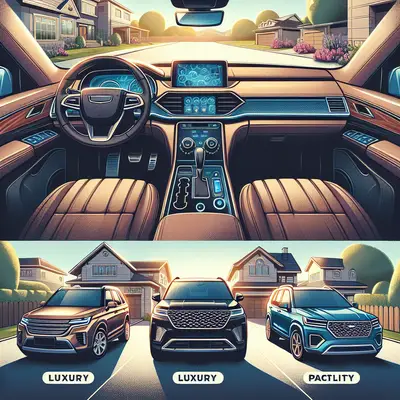
For families who view their SUV as an extension of a thoughtfully curated home, the conversation goes far beyond horsepower and cargo volume. The most rewarding family SUVs are those that make every departure from the driveway feel composed, considered, and quietly well-orchestrated. This is where refined details—many of them easy to overlook in a brief showroom visit—distinguish a merely capable family vehicle from one that genuinely elevates everyday life.
Below are five exclusive, less-obvious features that sophisticated families increasingly prize—features that shape not just how an SUV drives, but how it feels to live with, day after day.
1. Cabin Architecture That Anticipates Real Family Movement
Beyond the usual “spacious interior” claims, the most successful family SUVs are deliberately shaped around how people actually move through the cabin. It’s not only about legroom; it’s about choreography.
Families should pay attention to how easily second-row seats tilt and slide with one hand when a child is still buckling a shoe, or how gracefully a third-row passenger can exit without forcing the entire row to fold flat. Look closely at door apertures: are they tall and wide enough to load a rear-facing seat without contortions, or does the roofline intrude? Notice whether the vehicle floor is nearly flat, which reduces trip hazards for children stepping between seats.
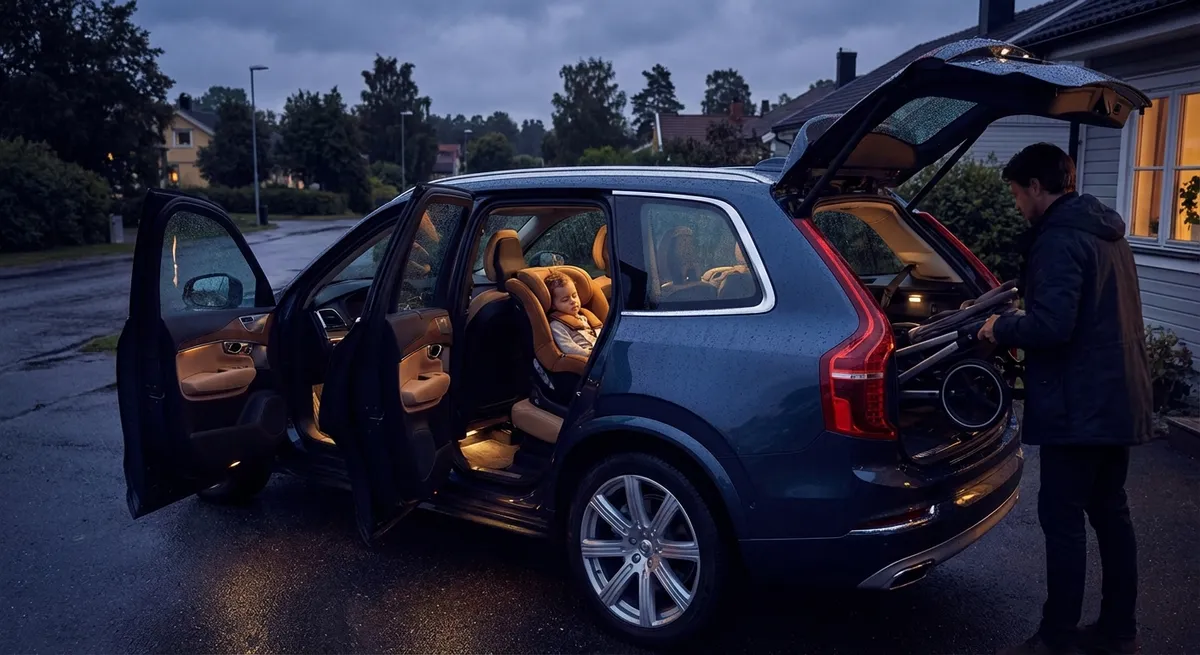
Premium-feeling designs often integrate small architectural flourishes that make a disproportionate difference—rear doors that open close to 90 degrees, a low step-in height that preserves dignity for grandparents, or an elevated hip point that allows parents to secure a child in a car seat without bending awkwardly. The most refined cabins feel as though someone carefully observed family routines and then quietly solved the frictions.
2. Acoustic Refinement as a Form of Family Wellbeing
Noise management in a family SUV is not just about luxury; it directly shapes everyone’s mood and energy on long days. A serene cabin can reduce fatigue, calm restless children, and support focused conversation in the front row while the third row quietly watches a movie.
Beyond “quiet ride” marketing phrases, ask about laminated side glass, triple door seals, acoustic windshield materials, and the use of sound-absorbing liners in wheel wells and cargo areas. Take a test drive on coarse pavement at highway speeds and listen for tire roar, wind noise around the mirrors, and engine resonance when merging or climbing hills.
The most polished SUVs manage sound, not silence. They preserve the texture of the outside world—rainfall, distant traffic—while muting the harsh edges. It’s worth testing how easy it is to speak in a natural tone to someone in the third row. If you can have an unstrained, unraised-voice conversation from the driver’s seat to the back during normal driving, you’ve found a cabin that has been acoustically engineered with care, not merely insulated.
3. Subtle Technology That Stays Out of the Way
Family buyers are surrounded by touchscreens and app lists, but the true mark of a sophisticated SUV is technology that feels intuitive rather than impressive. The best systems preserve your attention for the road and your family, not the interface.
Pay close attention to how many steps are required to perform everyday tasks: adjusting rear climate, pulling up navigation for a frequently used destination, or turning on a heated seat with one hand in winter gloves. Voice control that understands natural phrases (“I’m cold” rather than “set temperature to 72 degrees”) is more meaningful to family comfort than a dazzling graphics package.
Look also for discreet yet powerful driver-assistance systems that enhance safety without becoming intrusive. Adaptive cruise control and lane-centering can ease long holiday drives, but they should feel smooth and predictable, not abrupt. Rear pedestrian alerts, intelligent parking assist, and 360-degree camera views with clear, high-resolution imagery can make tight school drop-off lanes or crowded parking structures feel less stressful. The hallmark of premium family tech is that it quietly reduces mental load, rather than becoming another device to manage.
4. Material Choices That Balance Tactile Luxury with Real Life
Families do not need to choose between elegance and practicality; the most thoughtfully specified SUVs achieve both. Beyond leather vs. cloth, the questions become: How will this surface age with repeated wiping? How does it feel under the hand? Will it still look composed after five years of daily use?
Seek out interiors that use high-quality, wipe-clean materials with a pleasing tactile finish—supple but durable leather or leatherette, robust woven fabrics with stain-resistant treatments, and soft-touch plastics where hands often land. Matte finishes on trim tend to hide fingerprints and light scratches better than high-gloss piano black surfaces, which can quickly show wear.
Examine the stitching: even, tight seams on seats and steering wheels suggest an attention to detail that often carries through to the rest of the vehicle. Look for removable, washable cargo mats and seat-back protectors that integrate seamlessly, rather than feeling like an afterthought. Consider how easily crumbs, sand, and pet hair can be removed from seat perforations and floor carpeting. True luxury in a family context is not fragility—it is an interior that retains its composed appearance through years of beautifully ordinary chaos.
5. Thoughtful Storage That Respects Both Order and Spontaneity
Family life oscillates between carefully planned routines and unexpected detours. Storage solutions in a premium family SUV should support both modes—keeping daily essentials immaculately organized while remaining flexible enough for last-minute weekend escapes.
Look for cleverly concealed compartments: under-floor storage in the cargo area for emergency kits and seldom-used gear; a deep, configurable center console that can hold a handbag or small backpack; and rear seatback pockets that are ideally sized for tablets and books rather than crumpled papers. Integrated hooks that support grocery bags, coat loops that prevent formalwear from creasing, and dedicated spaces for umbrellas or reusable bags signal a designer who understood real households.
Pay attention to how the cargo area transforms: can you fold the third row flat from the rear with simple levers or buttons, without walking around the vehicle multiple times? Does the load floor remain level, creating a clean space for suitcases or sports equipment? A power liftgate with hands-free operation is more than a gimmick when you’re carrying a sleeping child and a week’s worth of groceries. In an elevated family SUV, storage does not feel like a game of improvisation; it feels gracefully premeditated.
Conclusion
For families who value refinement as much as practicality, choosing an SUV becomes less about headline features and more about lived experience. Cabin architecture that respects movement, acoustics that support calm, technology that recedes into the background, materials that age gracefully, and storage that anticipates real life—these are the quietly powerful qualities that turn an SUV into a trusted partner.
When evaluating your next family vehicle, linger beyond the spec sheet. Open and close the doors repeatedly. Sit in the third row. Speak in a normal voice while driving at speed. Run your hands along the materials and imagine them years from now. The most rewarding family SUVs are those that feel not merely new, but enduringly considered—designed to host the evolving story of your family with poise.
Sources
- [National Highway Traffic Safety Administration (NHTSA) – Vehicle Safety Features](https://www.nhtsa.gov/equipment/car-seats-and-booster-seats) - Provides guidance on car seat use and considerations for vehicle seating and access that inform family-focused cabin design
- [Insurance Institute for Highway Safety (IIHS) – Ratings & Vehicle Details](https://www.iihs.org/ratings) - Offers detailed safety and crash-test data, including information on vehicle structure, restraints, and crash-avoidance technology relevant to family SUVs
- [Environmental Protection Agency (EPA) – Fuel Economy Guide](https://www.fueleconomy.gov/feg/findacar.shtml) - Allows shoppers to compare fuel economy and range, an important consideration for family trip planning and daily commuting
- [J.D. Power – U.S. Automotive Performance, Execution and Layout (APEAL) Study](https://www.jdpower.com/business/press-releases/2023-us-automotive-performance-execution-and-layout-apeal-study) - Analyzes how owners feel about their vehicle’s design, comfort, and features, including aspects like noise, interior quality, and storage usability
- [Edmunds – Car Interior Materials Explained](https://www.edmunds.com/car-buying/car-interior-materials-explained.html) - Breaks down the pros and cons of different interior materials, helping families understand durability and luxury trade-offs in SUV cabins
Key Takeaway
The most important thing to remember from this article is that this information can change how you think about Family Features.