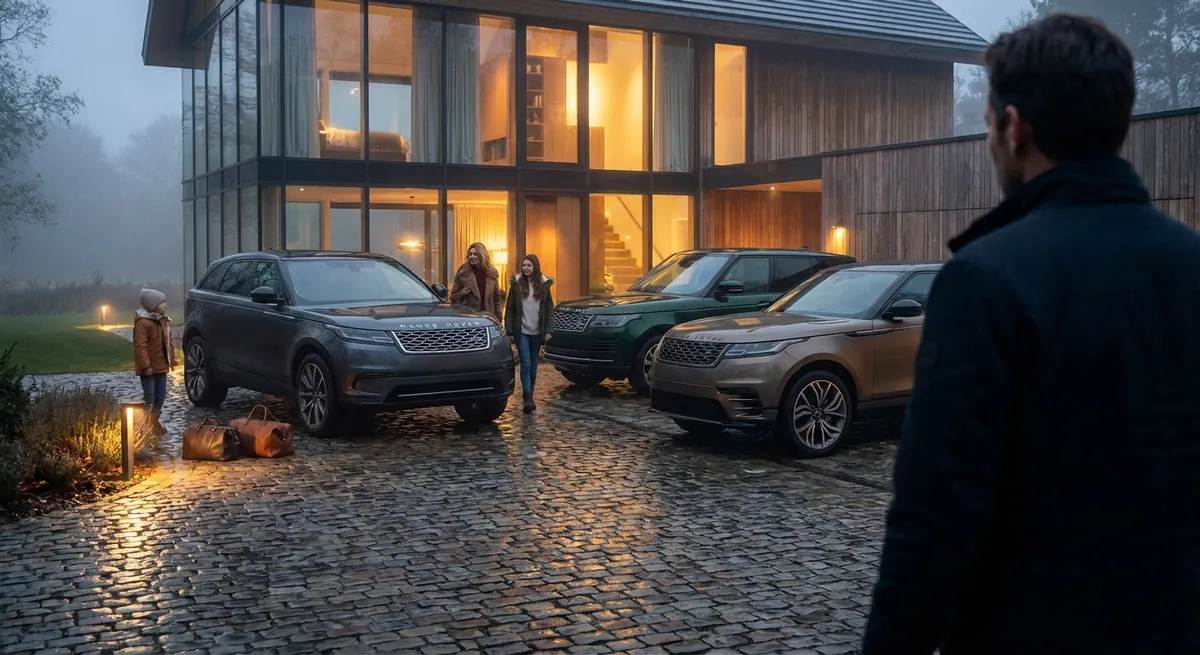
Choosing a family SUV today is less about sheer size or badge prestige and more about how intelligently a vehicle integrates into your daily rhythm. School runs, late flights, weekend escapes, client meetings, grandparents’ visits—an SUV that serves this tapestry of moments with quiet excellence is worth seeking out deliberately, not hurriedly. This guide distills five exclusive, often-overlooked insights that elevate a family SUV from merely competent to genuinely exceptional.
1. Cabin Architecture: How Space Actually Works, Not Just What It Measures
Most brochures loudly announce cargo volume and legroom, but the most livable family SUVs distinguish themselves through how that space is shaped and accessed.
Refined family cabins prioritize movement and reach over brute dimensions. Look closely at second-row door openings—taller apertures and wider swing angles make it far easier to secure a child in a car seat or help an elderly parent step in gracefully. Flat rear floors minimize tripping hazards and give three passengers more genuine shoulder and hip comfort, especially when booster seats are involved.
Third rows tell an even more revealing story. In top-tier family SUVs, the seat cushions are set higher off the floor to provide a more natural knee angle, which matter enormously for teenagers on longer drives. Pay close attention to how knees interact with seatbacks, whether feet can slide easily under the second row, and how simple it is to exit without contortions. Cabin design that respects posture and dignity across ages—rather than simply fitting “seven passengers”—is a hallmark of true family-focused engineering.
2. Ride and Noise Quality: The Real Measure of Family Serenity
Many buyers test acceleration; fewer consciously evaluate fatigue. For a family SUV, ride refinement and noise tuning are quietly decisive, particularly for long stretches of highway or back-to-back activities.
Begin with suspension behavior over imperfect roads. A well-sorted SUV will absorb sharp imperfections without harsh vertical jolts, and it will avoid the excessive “float” that can unsettle motion-sensitive passengers. Listen for how the structure responds over broken surfaces—solid, muted impacts suggest a stiff, well-insulated body shell rather than cost-cutting compromises.
Equally important is noise layering. Premium family SUVs often feature laminated front glass, strategic sound-deadening around the wheel wells, and optimized mirror and roof-rail designs to reduce wind rush. Evaluate at 65–75 mph with the audio system off: Can you hold a soft conversation with someone in the third row without raising your voice? A quiet cabin does more than signal luxury—it preserves patience, attention, and calm when schedules are tight and children are tired.
3. Everyday Usability: The Subtleties That Define a Well-Considered Interior
On paper, many SUVs offer similar features; in practice, a few thoughtful touches dramatically enhance daily family life.
Observe how the rear seats fold. The most refined designs allow you to lower them from multiple positions—rear hatch, second row, or even buttons in the cargo area—without removing child seats from adjacent positions. Some SUVs allow tumble-and-slide action with a child seat still installed (when regulations and installation permit), which is invaluable for juggling carpool logistics.
Storage design is equally revealing. Deep door bins sized for reusable bottles, a covered center console that hides clutter, and a dedicated space for handbags or laptops prevent the cabin from feeling chaotic by midweek. Look for dual-level cargo floors with hidden underfloor compartments, hooks that can secure grocery bags, and an adjustable cargo cover that can be stowed neatly when not needed.
Finally, scrutinize climate control and lighting. Tri- or quad-zone climate systems with intuitive rear controls help prevent temperature disputes, while soft, indirect LED cabin lighting transforms early-morning airport runs or late-night returns into something far more composed and inviting than the harsh glare of basic dome lights.
4. Digital Experience: Technology That Disappears into the Background
Family SUVs are increasingly defined by their software as much as their sheet metal. But the most satisfying vehicles are those where technology quietly supports your life rather than constantly demanding attention.
Begin with the interface layout. A responsive central screen is important, but so is redundancy: physical controls for essential functions—temperature, volume, defrost, drive modes—reduce distraction and are easier to operate with gloved hands or while negotiating busy traffic. Voice assistants that understand natural speech, rather than rigid commands, are especially valuable when managing navigation or music while driving with children.
Wireless smartphone integration (Apple CarPlay, Android Auto) and multiple well-placed USB-C ports keep devices charged and content streaming without cable clutter. Look for separate charging points across all rows to avoid arguments and awkward stretching. Over-the-air software updates are another subtle strength, ensuring that navigation maps, safety systems, and infotainment features remain current years into ownership.
Rear-seat entertainment systems can be worthwhile, but many families now prefer versatile USB ports and tablet-friendly solutions over fixed screens. The best setups anticipate this: sturdy seatback pockets sized for tablets, robust Wi‑Fi hotspots, and thoughtful cable routing that doesn’t interfere with seat adjustments or foot space.
5. Safety and Driver Assistance: How Gracefully the SUV Protects Your Attention
Most modern SUVs tick the box on standard safety features; what differentiates the truly refined options is how intuitively and unobtrusively these systems operate.
Start with crash test performance and structural integrity from independent organizations, but then move beyond star ratings to the character of the assistance systems. Adaptive cruise control that maintains a natural following distance, lane-centering that doesn’t “ping-pong” within the lane, and blind-spot monitoring that is clearly perceptible yet not intrusive all contribute to reduced stress over time.
Pay attention to how the SUV behaves in dense traffic and during lane changes. A well-calibrated system will support, not second-guess, an attentive driver. Some of the most polished family SUVs blend steering assistance, traffic-jam assist, and predictive cruise features in a way that makes long drives feel notably less taxing, yet still keeps you firmly in control.
Do not overlook visibility. Slim roof pillars, generously sized mirrors, high-resolution 360-degree camera systems, and transparent display logic make it easier to maneuver in tight school parking lots or urban garages. High-quality headlights—with adaptive beams that pivot into corners or automatically adjust to avoid dazzling oncoming traffic—extend your sense of security during evening activities and winter commutes, especially in poorly lit suburbs or rural roads.
Conclusion
A family SUV worthy of long-term loyalty is more than a checklist of features and attractive pricing. It is a carefully resolved environment that respects your time, calms your commute, and accommodates every generation that travels with you. By looking beyond headline figures and instead studying cabin architecture, ride refinement, everyday usability, digital fluency, and the grace of its safety systems, you assemble a shortlist of vehicles that will not merely serve your family, but subtly enhance the way you move through life together.
Sources
- [National Highway Traffic Safety Administration (NHTSA) – 5-Star Safety Ratings](https://www.nhtsa.gov/ratings) - Official U.S. government crash test ratings and safety information for SUVs and other vehicles
- [Insurance Institute for Highway Safety (IIHS) – Vehicle Ratings](https://www.iihs.org/ratings) - Independent crashworthiness, crash avoidance, and headlight performance evaluations
- [Consumer Reports – Guide to Car Safety Features](https://www.consumerreports.org/cars-driving/car-safety-features-guide-a1118952875/) - Detailed explanations and evaluations of modern vehicle safety and driver-assistance technologies
- [Edmunds – Car Interior and Cargo Space Explained](https://www.edmunds.com/car-buying/car-interior-and-cargo-space.html) - Overview of how interior packaging, seat design, and cargo space impact real-world usability
- [J.D. Power – Vehicle Dependability and Quality Studies](https://www.jdpower.com/cars/ratings) - Data-driven insights into long-term quality, dependability, and owner satisfaction across SUV segments
Key Takeaway
The most important thing to remember from this article is that this information can change how you think about SUV Reviews.