For many families, choosing an SUV is less about horsepower headlines and more about how gracefully a vehicle supports the choreography of everyday life. School runs, weekend escapes, late‑night airport pickups and the occasional cross‑country adventure all ask far more of a family SUV than glossy brochures tend to admit. Beneath the surface numbers lies a quieter layer of quality—how the vehicle feels, adapts and protects when the family is at its busiest. This is where a truly refined family SUV distinguishes itself.
Below are five exclusive, under‑discussed insights designed for families who want more than a spec sheet. They are the subtler measures of excellence that separate a merely capable SUV from one that feels thoughtfully tailored to family life.
Insight 1: The “Transition Moments” Test
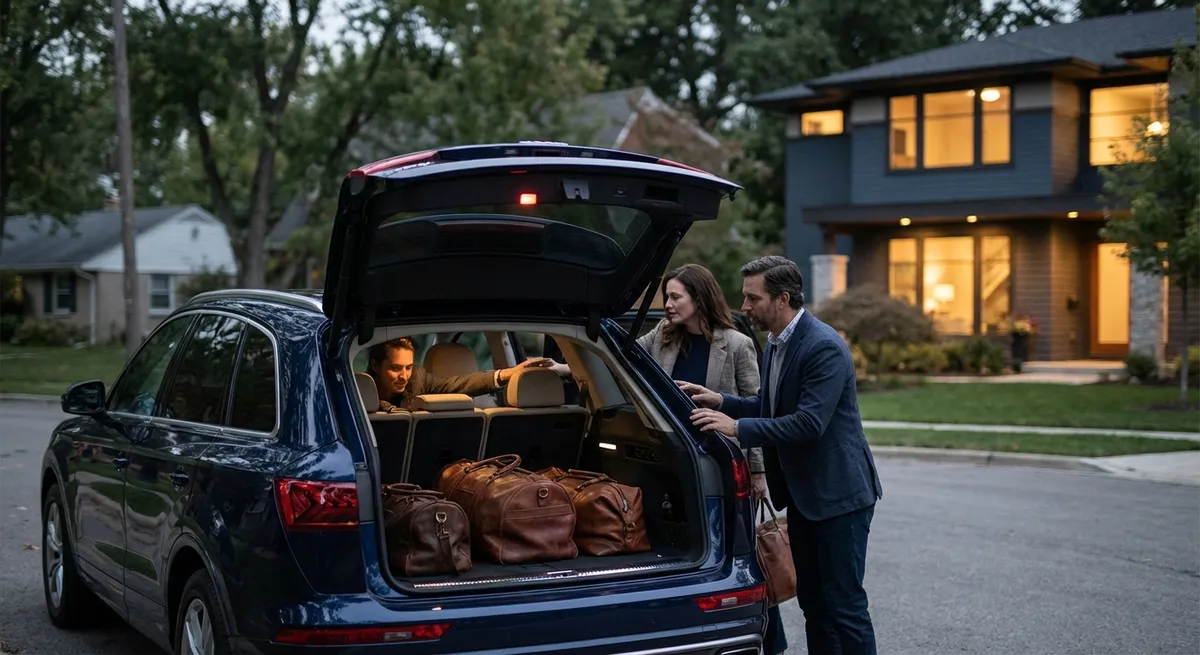
Most test drives focus on how an SUV accelerates, corners or brakes. Families, however, live in the in‑between. The true test of refinement lies in what might be called the “transition moments”: school drop‑off, grocery loading in the rain, strapping in a sleepy toddler at night, or sliding into the third row in formal wear.
A sophisticated family SUV makes these transitions feel effortless. Door openings should be wide enough to maneuver a rear‑facing seat without acrobatics, yet not so oversized that they are unwieldy in tight parking spaces. Seat belt buckles should be easy to access between booster seats, not buried under upholstery. Power tailgates that can be opened hands‑free are now expected, but notice the details: does the gate open high enough for taller adults without risk of impact, and can you easily set a customized height for lower garages?
Evaluate how naturally the vehicle adapts as your family moves in and out, rather than how it behaves only once everyone is seated. That is where design maturity quietly reveals itself.
Insight 2: Cabin Architecture That Anticipates Growing Children
Many SUVs promise three rows, but few are genuinely comfortable and flexible across different life stages. Toddlers, pre‑teens and teenagers have entirely different needs, and a premium family SUV anticipates that evolution rather than forcing a replacement every few years.
Look closely at how the second and third rows are engineered. Can the second row slide far enough to balance legroom between rows without compromising comfort? Does the vehicle offer a true adult‑usable third row, or is it better suited to occasional use? Families with car seats should check whether the third row includes LATCH anchors or at least well‑positioned seat belts that allow secure installation.
Ventilation and charging access are equally telling. Dedicated air vents in the second and third rows, ideally set at shoulder or roof level rather than foot level, can dramatically improve comfort on longer journeys. Multiple USB‑C ports in all rows help avoid cable disputes, and a flat or nearly flat floor in the second row allows more flexible seating positions as children grow. These are not indulgences; they are the architecture of long‑term usability.
Insight 3: The Subtle Luxury of True Acoustic Comfort
Noise is one of the most underestimated factors in family fatigue. A refined family SUV masters acoustic calm without feeling detached from the road. It is more than simply “quiet”; it is about how sound is managed and layered.
Listen for how the cabin handles different types of noise: the thud of uneven pavement, the rush of wind at highway speeds, the distant hum of other traffic. Double‑pane front windows, acoustic‑laminated glass, well‑insulated wheel wells and carefully tuned door seals can transform a long drive with children into a more serene experience. Hybrid and electric SUVs can be exceptionally quiet at low speeds, but the transition between electric and engine power, when present, should be nearly imperceptible.
An acoustically refined cabin also allows conversations between the first and third rows without raised voices. Some SUVs now add communication aids, such as built‑in cabin intercoms, but even without technology, thoughtful acoustics make it easier for parents to check in with the back row, read aloud, or enjoy music at low volume without losing clarity. Over several years of ownership, this quiet polish becomes one of the most valued qualities—even if it rarely appears in a brochure.
Insight 4: Interface Elegance and the Art of “Family‑Proof” Technology
Screens and software have become central to SUV design, yet more isn’t always better. For a family SUV, the most sophisticated interface is one that remains intuitive even on a hectic Monday morning. Consider not only how the infotainment system looks in the showroom, but how it behaves when every seat is occupied and the driver is managing real‑world distractions.
A refined system offers clear, minimal menus, responsive touchscreens, and physical controls for the functions you reach for most often—temperature, volume, defrost—so you can adjust them without hunting through layers of menus. Wireless Apple CarPlay and Android Auto reduce cable clutter and friction at the start of every trip. Profile systems, where each driver’s preferred seat position, climate settings and even navigation favorites are saved automatically, add a sense of personal tailoring.
“Family‑proof” technology also includes how gracefully the SUV handles partial chaos: multiple phones connecting via Bluetooth, streaming content for back‑seat passengers, or using built‑in Wi‑Fi hotspots on long drives. Over‑the‑air software updates can refine driver‑assistance features and address bugs without a trip to the dealership, helping the vehicle remain current over the years. The benchmark is not novelty; it is calm, predictable ease.
Insight 5: Long‑Horizon Ownership: Materials, Maintenance and Residual Grace
A family SUV earns its place not only in the first year, but in year seven—after thousands of door slams, spilled drinks and winter commutes. True premium character is found in how the vehicle ages, both mechanically and aesthetically.
Study the materials closely. Soft‑touch surfaces in high‑contact areas, durable leather or high‑quality synthetic upholstery, tight stitching and robust seat mechanisms all point to longevity. Darker, subtly patterned materials tend to hide inevitable marks more gracefully than stark, uniform finishes. Stain‑resistant fabrics and removable floor liners are less glamorous than panoramic roofs, yet far more impactful over time.
On the mechanical side, research reliability records and scheduled maintenance requirements. Some brands include extended maintenance plans or longer powertrain warranties, which can meaningfully reduce total cost of ownership. For families considering electrified SUVs, review battery warranties and projected range retention; a well‑engineered hybrid or EV can significantly reduce fuel stops and operating costs over the vehicle’s life.
Finally, consider how well the SUV is likely to hold its value. Models known for strong safety records, high reliability and tasteful, timeless design tend to retain a higher percentage of their original price when it is eventually time to trade or sell—an often overlooked dimension of “premium.”
Conclusion
For families with discerning standards, the right SUV is less a purchase and more a long‑term companion. It should navigate the daily ballet of school runs and weekend journeys with poise, shielding the cabin from noise, simplifying complex days with intuitive technology, and adapting gracefully as children grow. By looking beyond marketing highlights and focusing on transition moments, intelligent cabin architecture, true acoustic comfort, family‑proof interfaces and long‑horizon quality, you elevate the search from “which SUV will work?” to “which SUV will feel quietly exceptional, every day?”
The reward is not just a better drive, but a more composed, comfortable version of family life—one that feels as thoughtfully curated as the vehicle that carries it.
Sources
- [National Highway Traffic Safety Administration (NHTSA) – 5-Star Safety Ratings](https://www.nhtsa.gov/ratings) - Official U.S. government crash test ratings and safety details for SUVs
- [Insurance Institute for Highway Safety (IIHS) – Ratings](https://www.iihs.org/ratings) - Independent crashworthiness and crash‑avoidance ratings that help evaluate long‑term safety performance
- [Consumer Reports – Guide to Car Reliability](https://www.consumerreports.org/cars-guide-to-car-reliability/) - Data‑driven insights into long‑term durability and ownership experience across brands and models
- [Edmunds – Car Value & Depreciation](https://www.edmunds.com/car-buying/what-is-depreciation.html) - Explanation of how depreciation works and what influences long‑term resale value
- [U.S. Department of Energy – Fuel Economy & Electric Vehicle Data](https://www.fueleconomy.gov/) - Official efficiency, range and operating cost information for gasoline, hybrid and electric SUVs
Key Takeaway
The most important thing to remember from this article is that this information can change how you think about SUV Reviews.