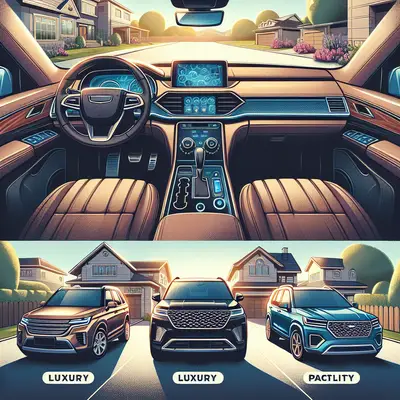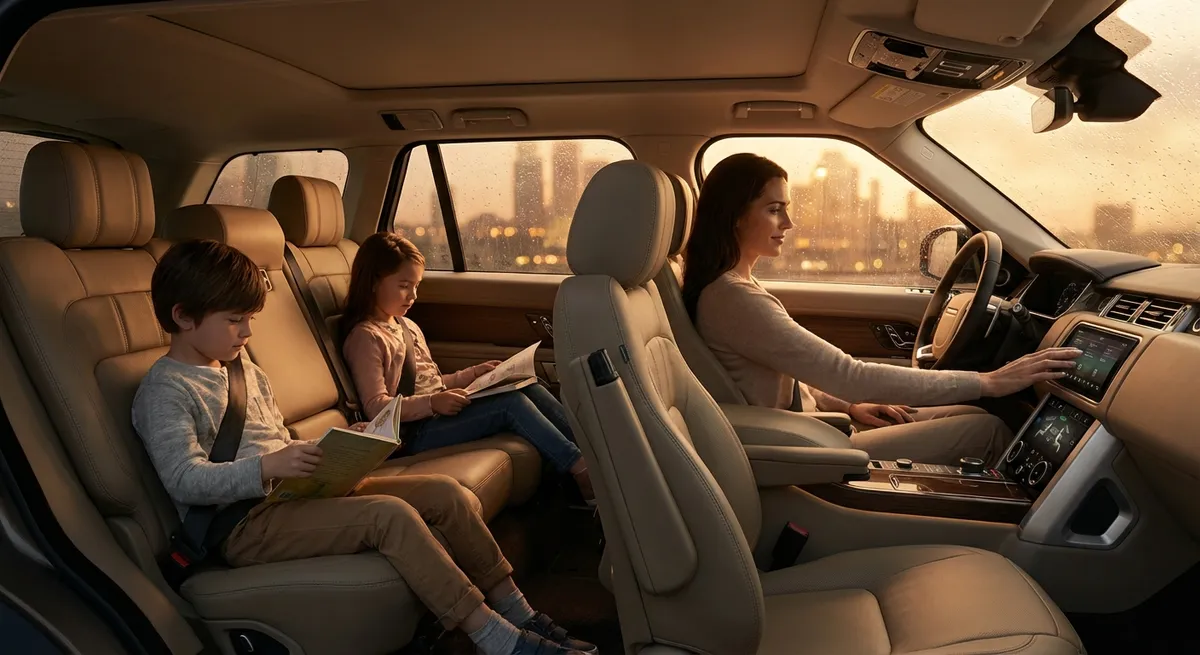
Family SUVs have evolved from purely practical people-movers into thoughtfully crafted spaces where design, technology, and safety converge. For families with a discerning eye, the difference between a merely competent SUV and a truly accomplished one often lies in subtle, intelligent details. This is not about the obvious headline features; it’s about the quiet refinements that shape every school run, weekend escape, and long-haul journey into something genuinely effortless.
Below are five exclusive, under-the-radar insights that sophisticated family buyers increasingly insist on—yet rarely see highlighted on a brochure.
1. Cabin Architecture: How Space Feels, Not Just How Much There Is
Spec sheets love cubic feet. Families, however, live with the way space is organized. A refined family SUV doesn’t simply boast generous dimensions; it orchestrates them.
Look first at the “flow” between rows. Wide door apertures and low step-in heights make it easier for children, grandparents, and even sleeping toddlers in car seats to move in and out without awkward contortions. A gently rising beltline and large rear-quarter glass panels help keep second- and third-row passengers from feeling confined—especially important for children prone to motion sickness or anxiety.
Pay attention to the way seatbacks fold: does the second row tumble or slide forward with one fluid motion, even when a child seat is latched in place? Are the levers and releases intuitively placed, or do you have to become a contortionist to access them? Premium family SUVs make these movements feel almost choreographed, with damped hinges and clearly marked pulls that preserve a sense of order even in the Saturday-sports chaos.
Finally, consider line-of-sight. Can front passengers see and speak with those in the third row without shouting? A slightly elevated second row (“stadium seating”), thoughtfully positioned headrests, and a low center console can make the cabin feel like one cohesive social space rather than three disconnected zones.
2. Acoustics and Atmosphere: The Subtle Science of a Calm Ride
Refinement in a family SUV isn’t just about what you see—it’s deeply about what you don’t hear. On a surface level, buyers may notice double-pane front windows or thicker carpets, but the truly elevated experience lies in how well the vehicle manages a full spectrum of sound.
Seek SUVs that explicitly mention acoustic laminated glass, extra body sealing, and targeted sound insulation in the firewall and wheel wells. These measures quiet the frequencies that cause fatigue: tire hum on coarse pavement, wind noise around the mirrors, and the “boom” from rough roads. The result is a cabin where you can speak softly and still be heard in the third row.
Beyond insulation, some premium family SUVs now use active noise cancellation to subtly counter low-frequency sounds. When tuned correctly, this doesn’t feel artificial; it simply makes long drives more serene, reducing the mental load on the driver and the background “buzz” that can wind children up.
Layer in ambient lighting and climate nuance. Multi-zone climate controls with gentle, diffuse airflow prevent “draft battles” between family members. Ambient lighting that can be dimmed or color-adjusted helps transition evening drives into a calmer, sleep-friendly environment for younger passengers. Together, these elements turn the cabin into a composed, cocoon-like space rather than an echo chamber on wheels.
3. Power Management: Not Just Horsepower, but Device and Lifestyle Power
For many families, the true currency inside an SUV is electrical power—clean, abundant, and intelligently distributed. This is where modern, tech-forward family SUVs quietly distinguish themselves.
Count the ports, but go deeper than numbers. Are there USB-C outlets in every row, including the third? Are some high-output enough to quickly charge tablets or laptops rather than merely trickle-charge a phone? A thoughtful layout avoids power conflicts: ideally, each child can charge independently without cables snaking across the cabin, creating both clutter and tripping hazards.
Then there’s 120V or 230V household-style outlets. For families who travel with cameras, gaming consoles for hotel stays, or breast pumps and medical devices, these outlets transform the SUV into a traveling utility hub. In select models, higher-capacity in-vehicle power systems even enable tailgate parties, camping setups, or emergency home backup.
Finally, consider how the main vehicle battery is managed. Hybrid and plug-in hybrid SUVs can often provide more stable low-speed climate control and accessory use without idling, which means you can sit through after-school pickups, sports practices, or roadside naps with the cabin at a comfortable temperature—quietly and efficiently, with less fuel use and fewer emissions.
4. Storage That Anticipates Real Life, Not Just Luggage
Every SUV claims “ample cargo space,” yet the difference for families lies in how that space adapts to wildly shifting demands. The most refined family SUVs feel as though their interiors were designed by someone who has truly lived with strollers, scooters, sports bags, and week-long grocery hauls.
Look for multi-level storage solutions rather than a single, open cavern. Hidden under-floor compartments can store emergency essentials, extra clothes, or delicate items out of sight. Adjustable cargo floors that sit level with the folded rear seats make loading heavy items—or sliding in a folded stroller—effortlessly smooth.
Inside the cabin, seek clever but discreet touches: deep door bins that can securely hold reusable water bottles upright; rubberized tray surfaces in the center console that keep phones from skittering; slim cubbies where you can stash wipes, spare masks, or a compact umbrella without cluttering the cabin’s clean lines.
Third-row usability is pivotal. When the third row is up, many SUVs lose nearly all usable cargo space. Better-executed models preserve a meaningful load area even with all seats occupied, sometimes aided by a vertical cargo well that accommodates tall grocery bags. It’s this real-world versatility—being able to take the whole family and their things without an elaborate packing strategy—that signals a true family-centric design.
5. Digital Discipline: Tech That Enhances, Not Overwhelms, Family Life
While large touchscreens and sophisticated infotainment systems dominate headlines, the genuinely refined family SUV exercises restraint—and intelligence—in how it integrates technology into the everyday drive.
Prioritize crisp, quick-response interfaces that minimize distraction. A clean home screen with large, logical icons reduces the number of taps needed to access navigation, audio, or climate controls. Direct physical controls for frequently used features—volume, temperature, defogging—are a sign that the manufacturer respects the realities of family driving, where a split second of attention saved can matter.
Rear-seat entertainment, if you choose it, should be flexible rather than prescriptive. Systems that allow each rear passenger to select their own content, plug in their own device, or mirror a tablet’s screen give families more control over digital exposure and screen-time agreements. Wi‑Fi hotspots and multiple Bluetooth connections, handled gracefully, allow your SUV to function as a moving study hall or mobile office without descending into digital anarchy.
Finally, evaluate how driver-assistance tech interacts with family rhythms. Adaptive cruise control and lane-keeping assistance should feel smooth and unintrusive, not abrupt or insistent. Rear-seat reminder systems, occupant detection, and safe-exit alerts—subtle chimes that warn if a door is about to open into traffic or if a rear seatbelt has quietly unlatched—are the sort of calm, quietly sophisticated guardians that refined family SUVs increasingly provide.
Conclusion
For families with elevated expectations, the right SUV is less about spectacle and more about serenity. It’s the vehicle that makes every journey feel composed, that anticipates small frictions before they arise, and that transforms the cabin into a harmonious, flexible space for real life.
By looking beyond surface-level specs toward cabin architecture, acoustic tuning, thoughtful power distribution, intelligent storage, and disciplined digital design, you begin to identify the models that don’t simply transport your family—they support its rhythm with quiet, unwavering grace. In a market crowded with options, these nuanced details are where true refinement reveals itself.
Sources
- [National Highway Traffic Safety Administration (NHTSA) – Vehicle Safety Features](https://www.nhtsa.gov/equipment/car-seats-and-booster-seats) - Provides insight into child seat use and safety considerations that influence seat and cabin design in family vehicles.
- [IIHS – Ratings and Vehicle Safety by Design](https://www.iihs.org/ratings) - Explains how vehicle structure, occupant protection, and crash-avoidance technologies contribute to safer family SUVs.
- [U.S. Department of Energy – Fuel Economy and Electric Vehicles](https://www.fueleconomy.gov/feg/hybrid_sbs.shtml) - Details the advantages of hybrid and plug-in hybrid systems, including idle reduction and accessory power use, relevant to family SUV efficiency and comfort.
- [Edmunds – Car Interior Features and Comfort Guide](https://www.edmunds.com/car-buying/car-interior-features-and-comfort.html) - Discusses practical and comfort-oriented interior features such as seating, storage, and infotainment that matter to family buyers.
- [J.D. Power – Automotive Technology and Infotainment Satisfaction Study](https://www.jdpower.com/business/press-releases) - Offers data-driven insights on how consumers experience in-vehicle technology, including usability and satisfaction with infotainment and driver-assistance features.
Key Takeaway
The most important thing to remember from this article is that this information can change how you think about Family Features.