Every family SUV can carry people and cargo; only a select few elevate the entire experience. For parents who value refinement as much as practicality, the distinction lies in details that rarely make the brochure but dramatically shape daily life: the sound your children don’t hear, the way the cabin lights guide sleepy passengers, the intuitive choreography of seats, screens, and storage. This is where a family SUV stops feeling like “transportation” and starts feeling like a carefully considered extension of your home.
Below are five exclusive insights that go beyond obvious checkboxes, helping discerning families evaluate SUVs with the same care they’d apply to a home renovation or a long-haul travel upgrade.
Insight 1: Cabin Calm Is the New Luxury
A truly premium family SUV is defined less by the size of its touchscreen and more by the serenity inside its cabin.
Look past the marketing claims and pay attention to sound insulation strategies: laminated acoustic glass, insulated wheel wells, active noise cancellation, and improved door seals. These are the invisible luxuries that keep a sleeping baby undisturbed on the highway and allow normal-volume conversation in the third row. At higher speeds, listen for wind swirl around the mirrors, the rumble from the rear wheel arches, and how the engine note fades—or doesn’t—under steady throttle.
A quiet cabin does more than feel upscale; it reduces fatigue on long drives, keeps kids calmer, and lets you hear crucial cues like emergency vehicles or navigation prompts. During a test drive, turn off the audio system, cruise at 60–70 mph, and simply listen. The SUVs that stand out will feel more like a well-insulated boutique hotel room than a conventional vehicle, and that difference will matter on every school run and weekend escape.
Insight 2: Third-Row Reality vs. Third-Row Marketing
Families often focus on “three-row seating” as a single line item, but the sophistication lies in how each row supports real-world use.
Begin with access: can a child or grandparent reach the third row without everyone in the second row having to disembark? Look for tilt-and-slide second-row mechanisms that operate even with a child seat installed, wide door openings, and well-positioned grab handles. Then assess the third-row seating position itself: is knee room usable, or are legs jammed against a low cushion? Are there armrests, cupholders, and dedicated vents so that the rear-most passengers don’t feel like an afterthought?
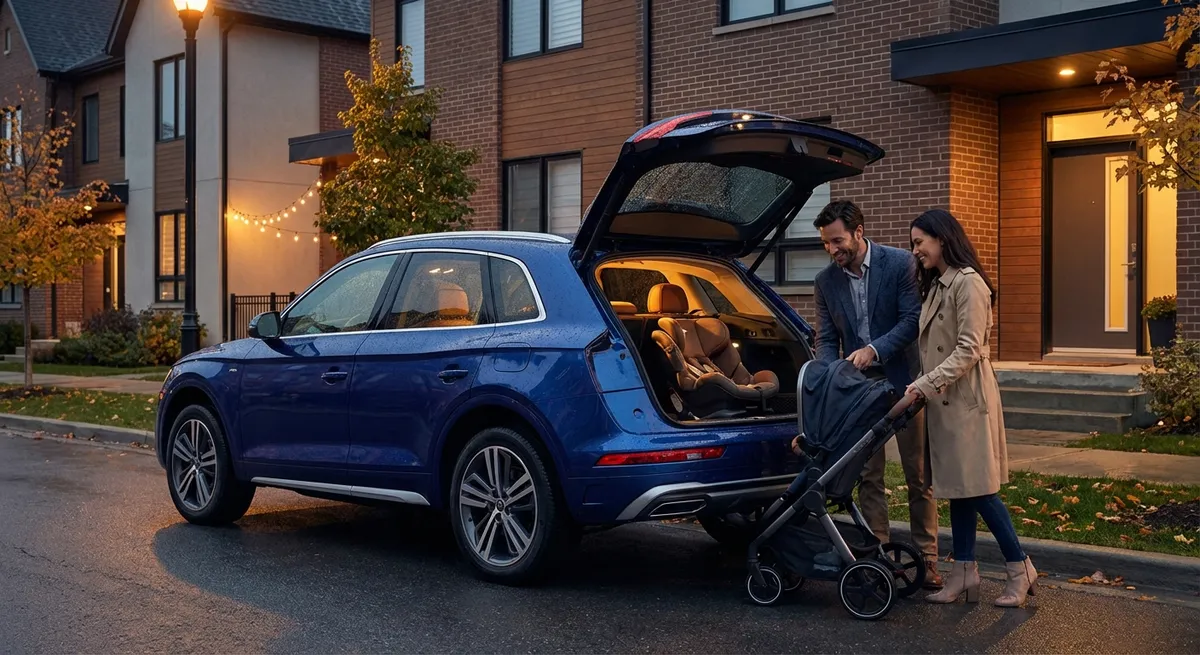
Cargo space with the third row in use is another refined detail that matters immensely. Some SUVs retain a meaningful luggage well behind the third row; others barely accommodate a stroller. Open the tailgate with the third row upright and visualize a typical family weekend—sports bags, grocery runs, or luggage for four. The best family SUVs integrate thoughtful under-floor storage, split-folding configurations, and power-folding options that enable you to reconfigure the cabin gracefully, even with one hand occupied.
Insight 3: Lighting and Visibility as Subtle Safety
Premium family SUVs treat light as both a functional and emotional design element—guiding, calming, and protecting.
Start with visibility. Slim roof pillars, large glass areas, and well-placed mirrors dramatically reduce blind spots, making urban driving and tight school drop-off zones less stressful. High-quality LED or matrix headlights not only look sophisticated but also illuminate the road with more natural, evenly distributed light, improving nighttime confidence on unlit suburban roads. Test these in the evening if possible; the difference between average and exceptional lighting is immediately apparent.
Inside the cabin, evaluate how the SUV uses ambient and task lighting. Are there gentle, non-glaring lights that help young children find a dropped toy without waking the whole cabin? Are controls and door handles intuitively backlit so you can navigate the interior in darkness? The most considered interiors use soft ambient lighting to create a welcoming, lounge-like environment while ensuring that critical elements—window switches, climate controls, and USB ports—are easy to locate at a glance. Over time, these subtleties make early-morning departures and late-night returns feel more like a seamless ritual than a disruption.
Insight 4: Technology That Serves, Not Distracts
Family-oriented technology should operate with the quiet competence of a trusted concierge: always available, never overwhelming.
Begin with the interface itself. A premium SUV should pair physical controls with touchscreens thoughtfully—climate basics and volume should be accessible by feel, while more complex settings can live within intuitive menus. During your evaluation, adjust temperature and fan speed without looking down. If it feels like using a familiar home appliance rather than navigating a smartphone, you’re in the right territory.
Connectivity, too, should feel sophisticated. Multiple fast-charging ports across all rows, wireless smartphone integration that connects effortlessly, and the option for a Wi‑Fi hotspot can turn the cabin into a mobile living room or study space. Rear-seat entertainment, if offered, should streamline streaming from personal devices instead of locking you into outdated, disc-based systems. Finally, pay attention to driver-assistance features like adaptive cruise control, lane-centring assistance, and 360° cameras—not just whether they exist, but how smoothly they operate. The most refined systems feel natural and confidence-inspiring rather than intrusive, particularly in stop-and-go traffic with children on board.
Insight 5: Materials and Touchpoints That Age Gracefully
A family SUV’s true luxury is measured not on delivery day, but in its fifth year of daily use.
Look closely at materials where hands constantly rest: steering wheel, door pulls, armrests, and centre console edges. High-quality leather or premium synthetic alternatives should feel substantial, with tight stitching and resilient finishes. Hard plastics, if present, should be textured and placed lower in the cabin, away from constant view. Run your fingers along switches and knobs—do they click with precision, or feel loose and fragile?
Flooring and seat upholstery are equally important for family life. Some manufacturers offer stain-resistant fabrics or treated leathers that withstand spills and muddy shoes with minimal drama. Removable or easily cleaned cargo liners, sliding rear seats that reveal hidden debris zones, and well-designed seatback materials that resist scuffing from little feet all point to a manufacturer that understands real-world family use.
Finally, step back and take in the cabin as a single composition. Do the materials, colours, and textures feel cohesive and timeless, or are they chasing trends that may date quickly? The most sophisticated SUVs create an interior that you’ll still appreciate years from now—calm, considered, and resilient, even after countless school runs, road trips, and grocery hauls.
Conclusion
Choosing a family SUV at a refined level means looking beyond horsepower, screen size, and spec-sheet superlatives. It’s about cabin calm that keeps everyone composed, third-row reality that respects every passenger, lighting that feels quietly protective, technology that assists without overwhelming, and materials that age with grace rather than fatigue.
When you evaluate your next SUV through these five lenses, the difference between “good enough” and genuinely exceptional becomes clear. You’re not just selecting a vehicle; you’re curating the moving space where much of your family’s everyday life will unfold—deserving of the same care, comfort, and quiet sophistication you’d expect in your home.
Sources
- National Highway Traffic Safety Administration (NHTSA) – Vehicle Safety and Crash Avoidance Features - Overview of advanced safety and driver-assistance technologies that influence family SUV choices
- Insurance Institute for Highway Safety (IIHS) – Ratings & Research - Independent crash test results and headlight evaluations relevant to family SUV safety and visibility
- U.S. Department of Energy – Fuel Economy Guide - Official data on fuel economy and efficiency to compare family SUVs across segments
- Consumer Reports – Car Buying & Ratings - Long-term reliability, owner satisfaction, and road-test impressions for SUVs and family vehicles
- BMW Group – Acoustic Comfort in Modern Vehicles - Insight into technologies and design strategies used to achieve quiet, refined cabins
Key Takeaway
The most important thing to remember from this article is that this information can change how you think about SUV Reviews.