Family SUVs are no longer just about fitting car seats and a stroller; they have become moving extensions of your home—quiet sanctuaries, mobile offices, weekend escape pods, and everything in between. For discerning families, the question is less “How many cupholders does it have?” and more “How gracefully does this vehicle support the way we actually live?”
Beneath the surface-level features, there is a layer of quiet sophistication that separates a merely practical SUV from one that feels genuinely considered. Below, we explore five exclusive insights that elevate the family SUV from transportation to thoughtfully curated space.
Insight 1: Cabin Architecture That Anticipates Real Family Life
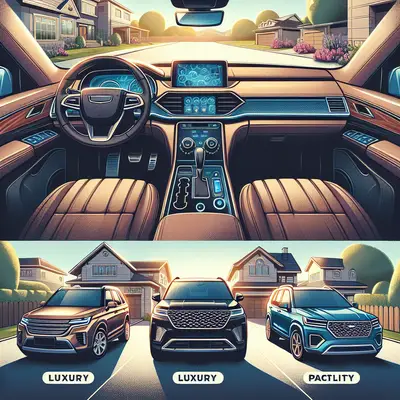
The most refined family SUVs are designed from the inside out, starting with how a family actually moves through the cabin. This goes far beyond legroom measurements. Look for vehicles in which the second-row seats tilt and slide with one hand, even with a child seat installed, allowing grandparents or older children to gracefully access the third row without a wrestling match.
Wide door openings and low step-in heights can transform everyday routines—from school drop-off to post-soccer cleanups—into smoother, more dignified moments. Flat rear floors in the second row also matter more than spec sheets suggest; they allow children and teenagers to spread out without fighting over foot space.
Pay attention to the continuity of materials and storage logic. When door pockets, seatback storage, and center-console cubbies appear deliberately aligned rather than randomly placed, the result is a cabin that feels intuitive instead of cluttered. In premium family SUVs, the architecture subtly guides where bags, tablets, snacks, and even musical instruments naturally live, so the family rhythm never feels interrupted by the vehicle.
Insight 2: Quietness as a Daily Luxury, Not Just a Spec
Noise levels in an SUV are often discussed in broad terms, but for a family, quietness is a practical and emotional luxury. A calm cabin makes it easier to talk to a child in the third row, take a work call at low volume, or simply enjoy a moment of silence after a long day.
Advanced acoustic glazing, insulated wheel wells, and active noise cancellation can dramatically reduce the constant hum of the outside world. When test-driving, notice whether you can speak in a low, relaxed voice to everyone in the car at highway speeds. Also observe how the SUV handles common disruptions: rough pavement, passing trucks, and rainstorms.
Top-tier family SUVs not only suppress engine and road noise but also manage sound signatures with intention. A refined powertrain should deliver its energy quietly and smoothly, never startling a sleeping baby during a modest acceleration. When blended with a high-quality audio system, a quiet cabin becomes an environment where audiobooks, language lessons, or quiet music can be enjoyed without cranking the volume or raising your voice.
Insight 3: Technology That Disappears Into the Background
Family SUV technology should feel like a well-trained concierge: always present, rarely intrusive. The distinction between gimmickry and genuine utility matters here. A premium family-focused system minimizes taps and distractions, letting the driver remain engaged with the drive and the passengers—not buried in menus.
Look for simple, predictable controls for the functions used most often: climate, seat heating, defogging, and drive modes. Physical knobs or switches for these everyday tasks often prove more elegant in practice than touch-only interfaces. A refined user experience also includes quick-start features: wireless phone charging that actually holds the phone in place, seamless wireless Apple CarPlay or Android Auto, and navigation systems that offer clear, glanceable directions.
Rear-seat technology should be equally considered. Integrated USB-C ports, thoughtful device storage, and well-positioned air vents support modern family life without creating visual chaos. The most sophisticated setups allow parents to manage rear climate or media from the front screen discretely, ensuring comfort and harmony without constant negotiation. In a truly premium family SUV, the technology quietly serves the family’s rhythm rather than dictating it.
Insight 4: Seating That Evolves With Your Family, Not Just Fits It
A discerning family SUV is not just a snapshot of today’s needs; it’s a flexible canvas for the next five to ten years. Consider how the seating layout will adapt as rear-facing infant seats give way to boosters, and later to lanky teenagers with backpacks and sports gear.
The most thoughtful SUVs offer multiple second-row configurations—captain’s chairs vs. bench seating—and make reconfiguration genuinely easy. Seats that fold flat with a single pull, or power-fold from the rear cargo area, change family logistics dramatically when loading luggage, home-improvement supplies, or a pet crate.
Critically, examine third-row comfort as though you were the passenger, not the parent. Can an adult sit back there for a dinner outing without feeling punished? Are the headrests supportive? Is there actual knee room once the second row is adjusted for a tall driver? Details such as armrest availability, cupholder placement, and air vents in the third row signal whether the manufacturer has respected every passenger, not only those in front.
Over time, this flexibility allows the same SUV to feel equally at ease as a preschool shuttle, weekend adventure partner, and ultimately a subtle chaperone for late-teen social lives.
Insight 5: Everyday Grace in Cargo and Organization
Cargo space is easy to quote in cubic feet, but difficult to appreciate until you’re balancing groceries, a stroller, and a violin case in the rain. A refined family SUV treats the cargo area as a carefully organized utility suite rather than an empty box.
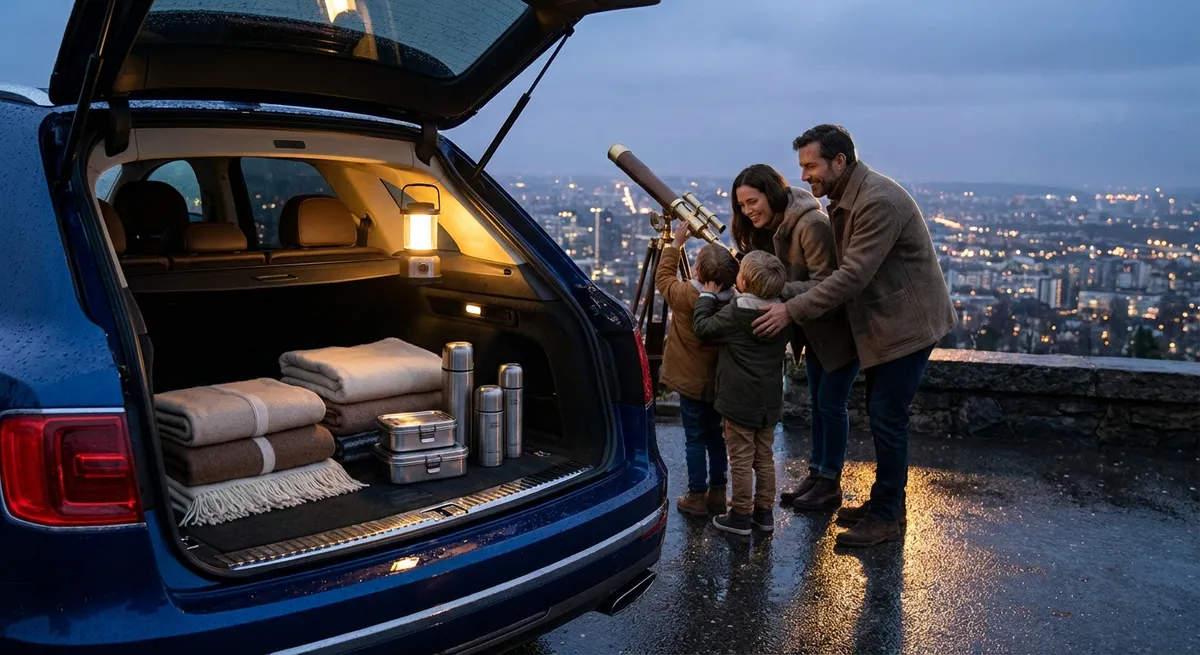
Low load floors and wide, square openings spare you from awkward lifting and twisting—especially when handling heavy strollers, camping gear, or luggage. Hidden underfloor compartments help separate everyday essentials like emergency kits, blankets, and charging cables from the rotating cast of sports equipment and shopping bags, keeping the space visually calm.
Pay attention to how the seats fold and how the cargo cover operates: can you fold down part of the rear seat to accommodate a long package while still carrying passengers in comfort? Is there a dedicated place to stow the cargo cover when not in use, or does it have to be left in the garage? Small touches—grocery bag hooks, side cubbies, and power liftgates with adjustable opening heights—collectively create a sense that the SUV has been designed for your reality, not a photo shoot.
In the best examples, the rear of the SUV becomes an elegant staging area for family life: a place to change shoes after a hike, organize weekend gear, or quietly enjoy a tailgate moment at a school recital without chaos.
Conclusion
A sophisticated family SUV is ultimately defined less by bold headlines and more by the quiet competence of its details. Cabin architecture that respects how families move, serene acoustics, unobtrusive technology, adaptive seating, and elegantly organized cargo areas all combine to create a vehicle that meaningfully supports modern family life.
For families who value refinement, the goal is not simply to find an SUV that can do everything, but one that does the everyday things with composure and grace. When you step back from the spec sheet and experience how these subtleties interact, the right SUV reveals itself not just as transportation—but as a carefully tuned companion for your family’s evolving journey.
Sources
- National Highway Traffic Safety Administration (NHTSA) – Vehicle Safety Information - Provides official crash test ratings and safety insights relevant to evaluating family SUVs
- Insurance Institute for Highway Safety (IIHS) – Ratings & Research - Offers independent safety ratings, including evaluations of seat/head restraints and crashworthiness important for family vehicles
- Edmunds – Car Interior and Comfort Guide - Explains key interior and comfort considerations such as seating flexibility and noise levels
- Consumer Reports – Guide to Car Seating and Comfort - Discusses seat design, adjustability, and ergonomics that influence long-term family comfort
- U.S. Department of Energy – Fuel Economy and Driving Range - Offers official fuel economy data that helps families balance efficiency with size and capability
Key Takeaway
The most important thing to remember from this article is that this information can change how you think about Family Features.