For discerning families, the right SUV is less about spectacle and more about the quiet details that shape every school run, weekend escape, and late-night airport pickup. The true measure of a family SUV is found not in the brochure headlines, but in the way the vehicle anticipates daily life—how it manages snacks and strollers, homework and headphones, grandparents and toddlers—without feeling cluttered or chaotic.
This is where thoughtful family features come into their own: discreet, intelligently designed touches that preserve a sense of calm while still honoring the joyful disorder of real family living. Below, we highlight five exclusive, often-overlooked insights that separate a merely practical SUV from one that feels genuinely elevated for family use.
Insight 1: Cabin Layout That Respects Everyone’s Space
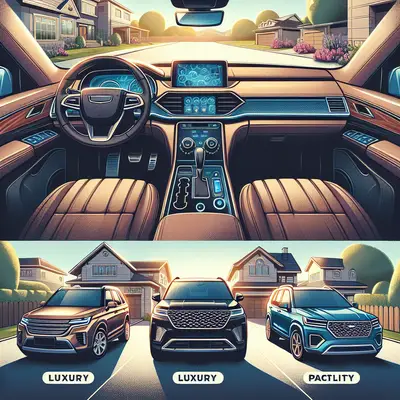
A refined family SUV does more than offer “three rows of seating.” It orchestrates space so that children, teens, and adults each have their own domains without compromising connection. The best cabins allow a parent in the front seat to communicate easily with the third row, yet still provide enough distance for a teenager to retreat with a book or a playlist.
Look for second-row configurations that go beyond simple bench seats. Sliding and reclining captain’s chairs, for example, can create a first-class feel for children on longer drives while enabling quick access to the third row. Thoughtful armrest placement, seat contouring, and legroom distribution between rows can make the difference between a vehicle that feels cramped and one that feels composed—even when every seat is full.
Cabins that minimize physical friction also reduce emotional friction. Wide door openings, low step-in heights, and simple one-touch mechanisms to tumble or slide seats mean that school drop-offs and carpool changes happen fluidly, without the awkward shuffling and sighing that tend to accompany more rigid layouts.
Insight 2: Storage Solutions That Don’t Shout “Family Car”
The most sophisticated family SUVs are those in which the presence of children is obvious in the laughter, not in the visual clutter. Hidden storage becomes a quiet luxury: underfloor compartments in the cargo area for sports gear, discreet side pockets for umbrellas, and low-profile bins that tuck away the daily detritus of modern family life.
Clever, tiered cargo systems are especially valuable. Adjustable load floors that can sit flush with the folded rear seats create a seamless surface for suitcases or bulky strollers, while lower positions offer extra vertical space for grocery runs. Flat-folding seats that require minimal effort—and don’t leave awkward gaps—allow the cabin to shift from people-focused to cargo-focused without drama.
Look closely at small-item storage. Are there lined trays that keep keys and sunglasses from rattling? Can the center console hold a small handbag or a camera without being a cavernous, disorganized box? Are rear-seat storage options designed as intentionally as those in the front? A truly premium family SUV silently organizes life, rather than advertising it.
Insight 3: Quiet Comfort in All Rows, Not Just the Front
Comfort is frequently marketed through the driver’s lens: plush front seats, ergonomic controls, and premium materials within arm’s reach of the steering wheel. Yet for families, true luxury exists when the third-row passenger—often a child, sometimes a grandparent—feels just as considered as the person in the driver’s seat.
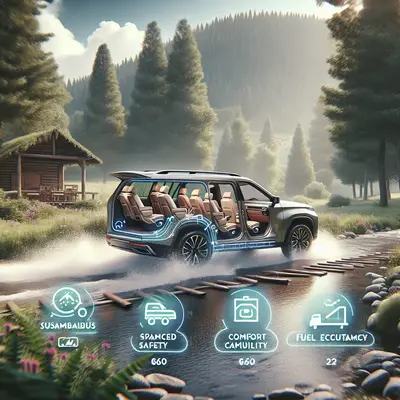
Pay attention to climate control sophistication. Tri-zone or even quad-zone systems, with vents positioned thoughtfully for every row, allow each passenger to find their own comfort level without compromising others. Dedicated rear-seat temperature controls, rear side-window sunshades, and well-insulated glass contribute to a cabin that stays serene in both extreme heat and winter cold.
Sound management is equally important. Look for laminated glass, generous insulation, and noise-reducing measures in the rear of the vehicle, not only at the front. In a well-engineered SUV, children can nap in the third row while adults converse quietly up front, and everyone can hear navigation prompts and safety alerts without needing to raise their voice. Comfort, in this context, is not merely physical—it is acoustic and emotional.
Insight 4: Technology That Enhances Calm, Not Chaos
Family-oriented technology is at its best when it vanishes into the background. Screens, ports, and apps abound in modern SUVs, but the most refined experiences are those that keep everyone connected and entertained without overwhelming the cabin with visual noise or tangled cables.
USB-C and USB-A ports, thoughtfully distributed across all rows, are now as important as cupholders. Look for outlets that are easy to reach from child seats and booster positions, ideally positioned so that cords do not drape awkwardly across walkways or snag when seats are moved. Wireless charging pads that hold phones securely, even during spirited cornering or sudden stops, are another subtle but significant upgrade.
Beyond connectivity, consider how the vehicle manages the digital lives of its occupants. Rear-seat reminder alerts, multiple user profiles, and robust parental control over certain features can preserve both safety and serenity. Advanced driver assistance systems—lane-keeping assistance, adaptive cruise control, blind-spot monitoring—should integrate smoothly, providing assurance without nagging. When technology is well curated, it becomes a quiet guardian of family routines rather than a constant demand for attention.
Insight 5: Everyday Rituals Made Effortless, Not Just Impressive
The most exclusive family feature is often the one you no longer have to think about. Luxury in a family SUV is measured in micro-moments: opening the tailgate with full hands, securing a sleeping toddler without waking them, organizing a spontaneous weekend escape with minimal preparation.
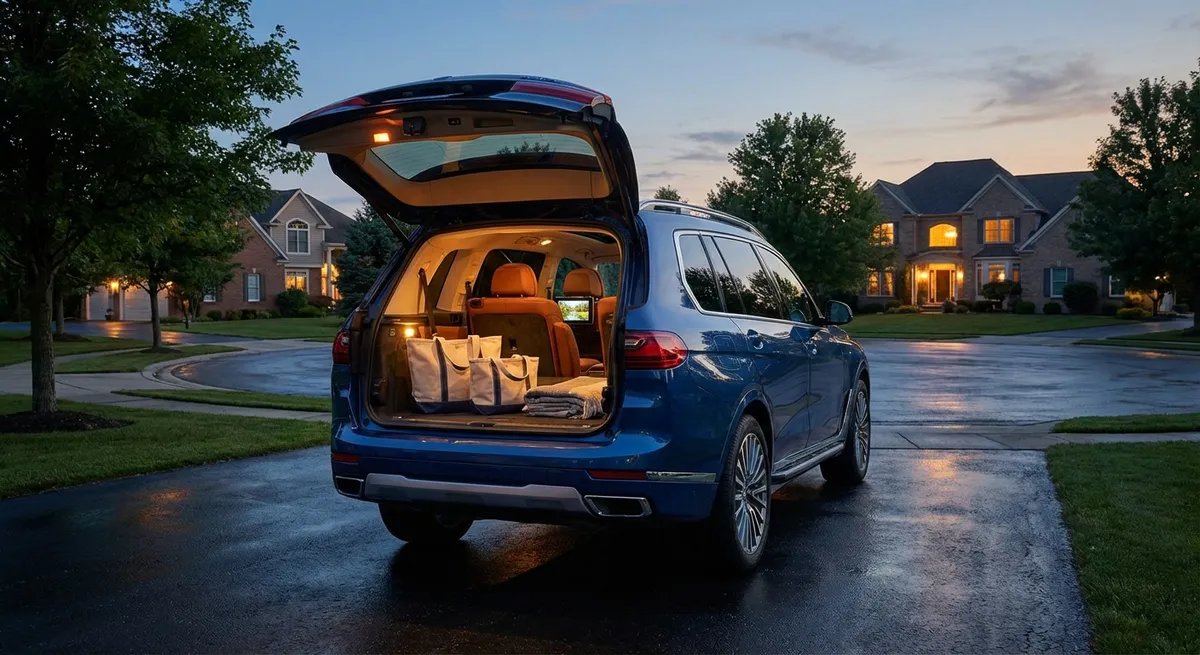
Hands-free liftgates that respond reliably, low cargo floors that ease the loading of strollers and luggage, and wide, flat entry points for child seats all contribute to a sense of ease. Anchors for child restraints that are accessible without contortions—paired with doors that open widely enough for parents to maneuver comfortably—can transform the daily car-seat ritual from a chore into a smooth, practiced gesture.
Lighting also matters. Soft, configurable interior illumination that allows older children to read or draw without disturbing younger siblings, gentle welcome lighting at night, and clear visibility around the vehicle when arriving home after dark subtly elevate every journey. These seemingly small details work in concert to create an environment where the SUV feels like an extension of a well-run home: composed, adaptable, and quietly reassuring.
Conclusion
For families with a refined eye, the ideal SUV is not simply a larger vehicle—it is a thoughtfully crafted space that dignifies everyday life. It balances the realities of snacks and sports bags with a sense of calm order, and it ensures that every passenger, in every row, is genuinely considered.
When evaluating your next family SUV, look beyond the headline features and examine how the vehicle supports your daily rituals: how it manages space, moderates noise, organizes belongings, and subtly eases the countless small transitions of family life. In those details, you will find the difference between a competent choice and a truly elevated one.
Sources
- [National Highway Traffic Safety Administration (NHTSA) – Child Safety & Seating](https://www.nhtsa.gov/roadsafety/child-safety) - Guidance on child seat placement, vehicle features, and best practices for families.
- [IIHS – Booster and Child Seat Fit and Vehicle Ratings](https://www.iihs.org/ratings/child-boosters) - Research-based assessments of how well vehicles accommodate child restraints.
- [Edmunds – Guide to SUV Cargo Space and Configuration](https://www.edmunds.com/car-buying/how-to-measure-suv-cargo-space.html) - Detailed look at how cargo areas and seat-folding configurations impact real-world usability.
- [Consumer Reports – Car Seat and Family-Friendly Vehicle Advice](https://www.consumerreports.org/cars/child-car-seats/how-to-choose-the-right-car-seat-a1098700115/) - Independent evaluations on car seat compatibility and family-oriented vehicle features.
- [EPA – Fuel Economy Guide for Light-Duty Vehicles](https://www.fueleconomy.gov/feg/findacar.shtml) - Official data on efficiency, useful for families balancing space, performance, and operating costs.
Key Takeaway
The most important thing to remember from this article is that this information can change how you think about Family Features.