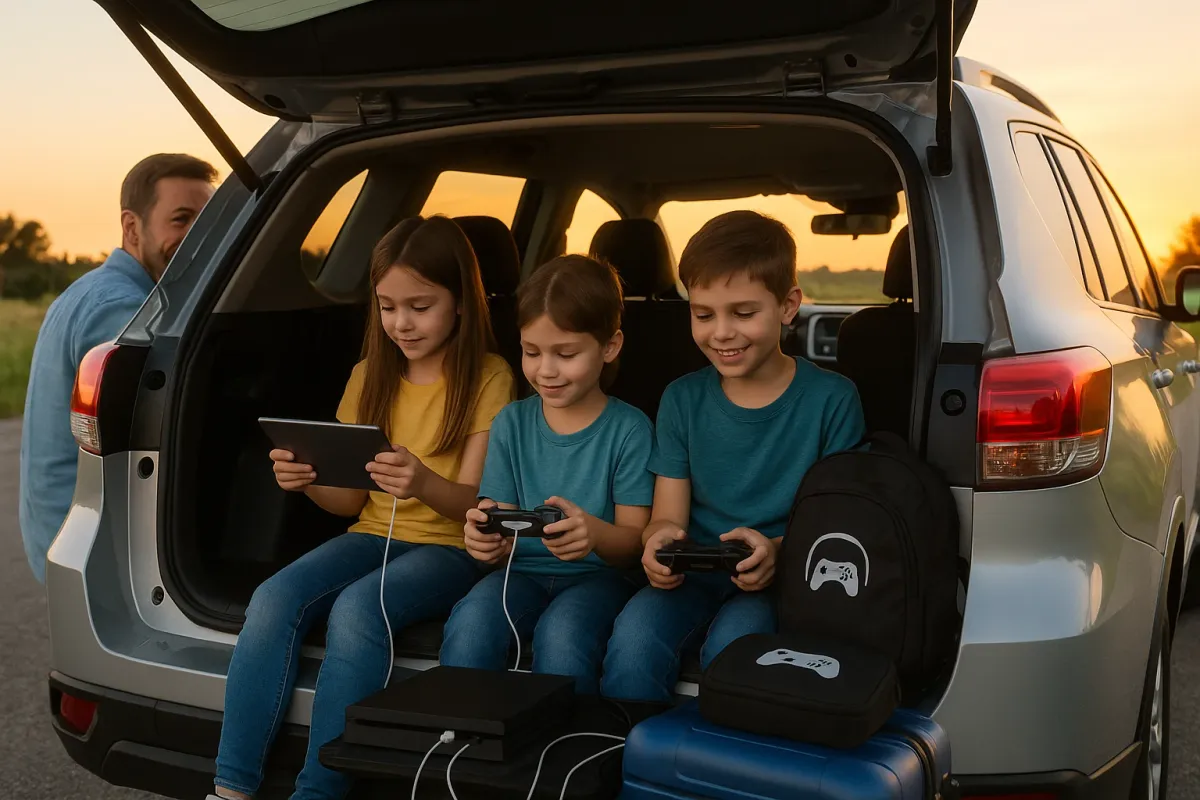
Modern parenthood looks very different from the era of CD changers and rear-seat DVD players. As today’s headlines remind us—like the recent BoredPanda feature highlighting “80 Funny Memes For Dads Who Just Want To Game In Peace”—gaming is no longer the exclusive domain of teenagers. According to figures cited in that piece, roughly 70% of American parents now play video games. The “gamer dad” (and increasingly, the “gamer mom”) is not a stereotype; it’s a reality that is reshaping how families relax, connect, and, perhaps unexpectedly, how they choose their vehicles.
As next‑gen consoles, cloud gaming, and portable devices become part of everyday family life, the family SUV is evolving into a rolling lounge—a premium space where digital and physical play coexist. For families who relish a late‑night co‑op session just as much as a weekend hike, the right SUV is no longer just about cargo volume and crash scores. It’s about how gracefully it supports your family’s digital rituals without sacrificing refinement, safety, or long‑term comfort.
Below, we explore five exclusive, forward‑thinking insights that families—especially those who embrace gaming and connected entertainment—should consider when selecting their next SUV.
Insight 1: Treat Connectivity as Core Architecture, Not an Afterthought
In an era where dad might be finishing a co‑op campaign on his handheld console while the kids stream their favorite show in the second row, connectivity dictates whether your SUV feels contemporary or immediately dated.
Look beyond the headline grabbers like “wireless Apple CarPlay” and “Android Auto.” For a genuinely future‑proof family SUV, examine:
- Onboard 5G or robust LTE hotspots: Many manufacturers now offer built‑in Wi‑Fi that can support multiple devices simultaneously. Compare data plans, speeds, and whether the hotspot remains active with the engine off—ideal for those moments parked at soccer practice or waiting in a school pickup line.
- Multiple high‑output USB‑C ports: Premium family SUVs increasingly integrate USB‑C ports with laptop‑level charging output. This is crucial for handheld consoles, tablets, and gaming laptops that drain quickly under load.
- Household‑style power outlets: Look for 110V/120V outlets in the second row and cargo area. These outlets transform your SUV into a mobile power hub, supporting everything from VR headsets to portable monitors during long trips.
- Over‑the‑air (OTA) software updates: Manufacturers adopting Tesla‑style OTA updates can refresh infotainment systems, streaming apps, and navigation without a dealer visit. For a family steeped in tech, an SUV that grows smarter over time aligns better with the cadence of your digital life.
The gamer‑parent reality underscored by today’s memes—where leisure is carefully negotiated around work and family duties—means that connectivity is not a luxury; it is the invisible architecture supporting those rare, sacred moments of uninterrupted play.
Insight 2: Curate a Cabin That Functions Like a Premium Lounge
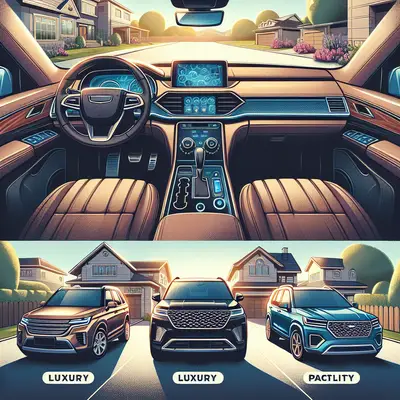
If “just wanting to game in peace” is a running joke online, the real‑world solution, for many, is a cabin that feels serene, private, and acoustically sophisticated. For families evaluating SUVs, think of the interior less as a “cockpit” and more as a lounge tailored to parallel activities.
Details to prioritize:
- Tiered comfort zones: High‑end family SUVs now differentiate the first, second, and (sometimes) third rows in materials and amenities. Heated and ventilated captain’s chairs in the second row with individual armrests can create a refined gaming or reading nook for older children and teens.
- Acoustic insulation and laminated glass: Double‑pane front windows and strategic sound‑deadening prevent engine and road noise from overpowering audio. This matters not only for audiophile‑grade music, but also for clear in‑game voice chat, story‑driven games, and quiet naps for younger passengers.
- Configurable ambient lighting: Multi‑color ambient lighting may seem indulgent, but it can subtly delineate personal spaces and create a cozy, cinema‑like mood for evening drives. For the gaming parent, a softly lit cabin can mimic the relaxed atmosphere of a home media room.
- Thoughtful storage for devices: Look for door pockets, center consoles, and seatback organizers designed to hold tablets, controllers, headsets, and portable consoles without clutter. Some premium manufacturers now design hidden compartments that keep devices out of sight when parked.
The most sophisticated family SUVs quietly acknowledge that not every journey is a “family bonding experience.” Sometimes, the greatest luxury is an environment where each family member can disappear into their chosen world—for 20 minutes or two hours—without disturbing the others.
Insight 3: Design for Screen Harmony, Not Screen Chaos
The explosion in screen use highlighted by today’s gaming‑centric parenting stories presents an uncomfortable tension: how do you embrace technology without letting it overwhelm family life?
A refined family SUV should help curate screen use, not simply enable more of it:
- Rear entertainment systems with independent control: Modern premium SUVs offer dual rear screens where each passenger can choose their own content—streaming, mirroring, or gaming—without hijacking the entire vehicle’s audio. Prioritize systems that allow parents to manage or lock content from the front seat.
- Passenger‑side screen mirroring and privacy modes: Some advanced models now integrate front‑passenger displays that are visible only to that seat occupant, thanks to clever polarization. This allows a co‑pilot to game, stream, or manage family playlists without distracting the driver.
- Integrated app ecosystems: Vehicles that support built‑in apps (Spotify, YouTube, certain streaming services) reduce the need to juggle phones and cables. For families, a well‑integrated system helps maintain order: kids can access curated content from a shared “vehicle account” rather than each device competing for bandwidth.
- Screen‑off rituals: The most premium experience is not constant stimulation, but intentional contrast. Some SUVs now include “digital detox” modes—one‑touch settings that dim screens, soften lighting, and emphasize the outside environment. Teaching children that the car can switch from “gaming lounge” to “quiet observatory” with a single gesture is a small but powerful way to model balance.
Rather than fighting the reality of digital entertainment—so vividly captured in viral memes and humor pieces—parents can use the family SUV as a training ground for healthy, graceful tech habits.
Insight 4: Safety Tech That Respects Both the Driver and the Distracted Passenger
As any gaming parent will admit, the line between “quick match” and “I lost track of time” is thin. In a family context, this makes intelligent safety systems essential, especially when passengers are absorbed in screens or devices.
Beyond crash test scores, seek out:
- Advanced driver‑assistance systems (ADAS): Adaptive cruise control with lane‑centering, traffic‑jam assist, and automatic emergency braking create a safety net in the most distraction‑prone environments—stop‑and‑go traffic, school zones, and crowded parking lots.
- Interior monitoring: Some luxury SUVs now employ interior cameras to detect if a child or pet has been left in the vehicle, triggering alerts. Others offer driver attention monitoring, gently warning if your gaze drifts too often from the road—useful for glances at back‑seat activity or the central display.
- Clear hierarchy of alerts: A refined SUV will not bombard you with shrill tones. Instead, it will differentiate between gentle nudges (lane departure) and urgent interventions (collision risk). Examine whether the SUV allows you to customize alert intensity to suit your family’s tolerance.
- Safe‑exit assist and rear cross‑traffic alerts: In urban environments, where kids step out while clutching tablets or wearing noise‑isolating headsets, these systems warn of approaching cyclists or vehicles and can prevent doors from opening into oncoming traffic.
Modern life—where a parent may decompress with a game after bedtime or squeeze in a mobile session between errands—demands a vehicle that quietly compensates for the cognitive load we all carry. In that sense, the truly premium family SUV acts as a calm, vigilant co‑pilot.
Insight 5: Future‑Proofing for the Next Console (and the Next Child Stage)
Today’s headlines about gaming parents are a reminder that technology and family dynamics evolve rapidly. The handheld your toddler taps today may be the console your teenager mods tomorrow. A discerning family SUV purchase, therefore, must consider longevity and adaptability as seriously as horsepower or leather quality.
When evaluating your options, think in five‑ to ten‑year cycles:
- Flexible seating architecture: Look for sliding second rows, removable center consoles, and flat‑folding seats. The configuration that works for a rear‑facing car seat will likely differ from what you need when your teen wants a third‑row “gaming perch” on road trips.
- Robust electrical backbone: Multiple independently fused circuits, high‑capacity alternators, and ample charging options will matter as device demands grow. This is the quiet engineering that allows your future‑self to plug in an additional screen or upgraded console without compromise.
- Battery and hybrid considerations: Plug‑in hybrids and full EVs can provide silent, engine‑off climate control—ideal while parked at tournaments, practices, or late‑night drives where kids fall asleep mid‑episode. Ensure you understand real‑world range, charging options, and how climate control impacts battery life under family use.
- Resale value and brand ecosystem: Premium brands that invest heavily in software updates, accessory ecosystems (seat‑back mounts, wireless headphones, kid‑friendly organizers), and subscription services typically age more gracefully in a digital sense. A vehicle that remains “connected” and visually current will be more desirable when your needs change.
A family SUV chosen with this level of foresight becomes more than transportation—it becomes an evolving platform for your family’s rituals, from first car‑seat naps to late‑night post‑practice debriefs and, yes, the occasional parking‑lot gaming session.
Conclusion
The cultural moment captured in today’s viral stories—where parents openly claim their right to game, relax, and inhabit digital worlds alongside their children—signals a shift in what “family time” can look like. The family SUV now sits at the center of that evolution: a bridge between analog adventures and digital escapes, between shared playlists and private screens.
For discerning families, particularly those attuned to technology and refined comforts, the task is not to reject this new reality, but to curate it. Choose an SUV that offers sophisticated connectivity, a lounge‑like cabin, intelligent screen management, vigilant safety technology, and genuine future‑proofing. In doing so, you’re not merely buying a vehicle—you are commissioning a mobile sanctuary where modern family life, in all its analog and digital textures, can unfold with grace.
Key Takeaway
The most important thing to remember from this article is that this information can change how you think about Family Features.