Parenting in 2025 increasingly feels like living with a team of tiny strategists. As that trending Twitter thread about kids acting like “criminal masterminds” makes the rounds—where children bypass app locks, reset Wi‑Fi routers, and outmaneuver screen‑time limits—it’s clear that the next generation is not just tech‑native, but tactically gifted.
For families shopping for an SUV right now, this reality changes the brief. You’re no longer simply choosing a safe, spacious vehicle; you’re curating a rolling command center for a digitally fluent family who knows how to find every loophole. In the era when kids can jailbreak a tablet before breakfast, the modern family SUV must anticipate their ingenuity instead of merely reacting to it.
Below are five exclusive, timely insights—shaped by this current conversation about “mastermind kids”—that discerning parents should quietly insist on when evaluating their next family SUV.
Insight 1: Digital Discipline by Design, Not Just by Rules
The viral “kid mastermind” stories highlight a hard truth: house rules crumble the moment your back is turned if your tools don’t support them. In automotive terms, that means your SUV needs embedded digital discipline, not just trust and verbal agreements. Look for models where parental controls are engineered into the vehicle’s operating logic—rather than tacked on as an afterthought.
Many 2025 SUVs now offer driver profiles that automatically govern drive modes, speed warnings, and even stereo volume based on who has the key or is using a digital key on their phone. The most thoughtfully executed systems allow you to create a “young driver” profile with geofencing alerts, curfews, and real‑time notifications if the vehicle leaves a defined area—aligned with a world where kids are increasingly adept at “stretching” boundaries. The key distinction: you want controls that cannot be casually overridden from the front seat touchscreen by a clever teen who has already watched three YouTube tutorials on hacking settings. Systems that require a verified app login, biometric authentication on your phone, or an administrator PIN stored server‑side—not just in the car—will serve you better than simple in‑car toggles.
Insight 2: Rear‑Seat Tech That Curates, Not Just Entertains
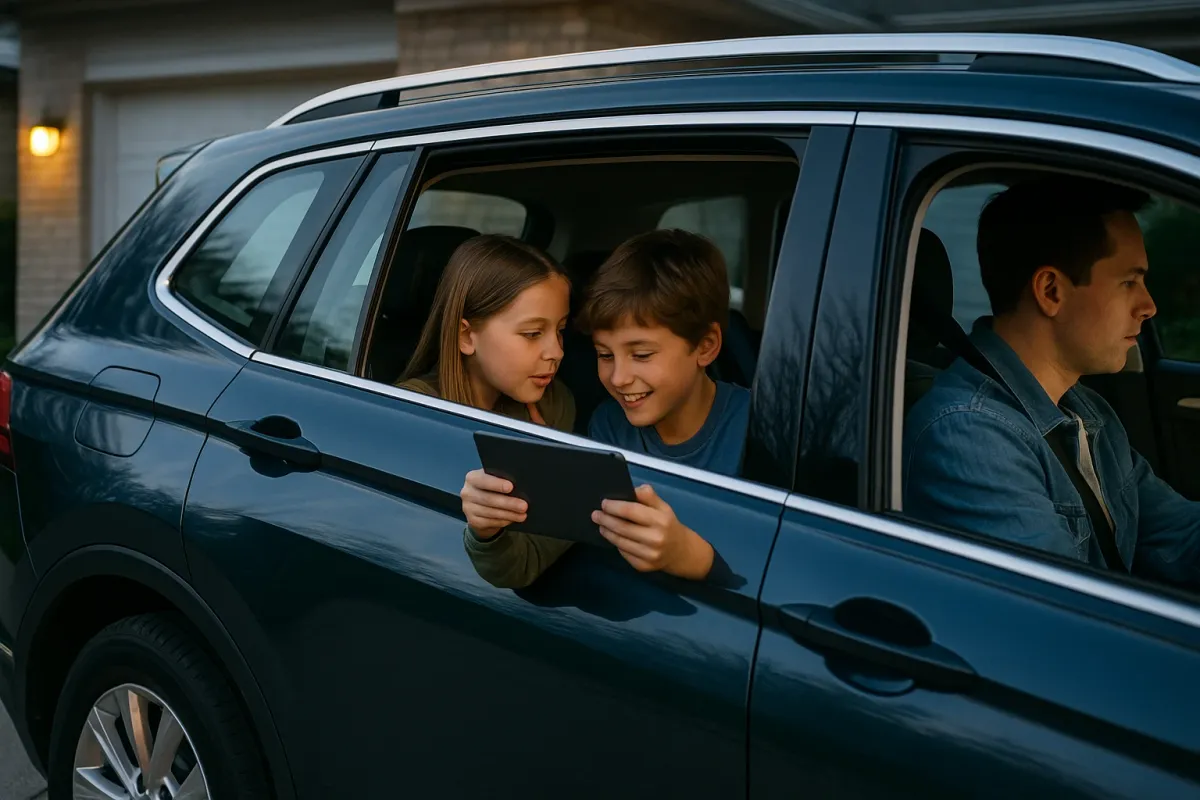
The Twitter anecdotes about kids outsmarting parents online inevitably center on screens. The same dynamic plays out in vehicles. Rear entertainment used to mean a basic DVD player; now it’s a fully connected ecosystem with streaming, casting, and app integration. For families, this shift is both a gift and a risk.
The most sophisticated family SUVs have begun to address this with curated rear‑seat experiences. Look for systems that separate “vehicle screen time” from general internet access. For example, some current premium models allow parents to pre‑approve apps, set daily or trip‑based viewing limits, and even restrict content ratings—much like leading streaming platforms now do at home. Pay particular attention to SUVs that integrate major parental‑control ecosystems you already use in the house (think Apple Screen Time or Google Family Link compatibility), so your road rules mirror your living‑room rules.
Thoughtful touches matter: rear screens that can mirror educational content from your device (instead of only entertainment apps), headphone jacks that encourage quiet focus, and the ability for parents to see at a glance what each rear screen is displaying from the front console. In a world where kids learn to toggle between homework and games in milliseconds, you want an SUV that gives you transparent oversight instead of blind trust.
Insight 3: Cabin Architecture That Anticipates Stealthy Behavior
Those “criminal mastermind” posts often feature kids quietly moving contraband—sneaking snacks into bedrooms, hiding electronics under pillows, or rerouting cables to keep devices charged. Translate that behavior into vehicle life, and cabin architecture suddenly becomes strategic: where cords hide, where devices charge, what children can reach without you noticing.
The most family‑savvy SUVs respond with an architecture that gently limits mischief. Covered storage that’s easy for adults but slightly cumbersome for small hands, lockable gloveboxes and under‑floor cargo bins for stashing tablets after curfew, and thoughtfully placed USB‑C ports that are visible from the driver’s seat all help. Look for configurations where power points in the third row are not tucked into blind corners and where you can easily see if something is plugged in from the front—so that “just five more minutes” of gaming doesn’t stretch into the entire drive unnoticed.
Premium family models are also rethinking physical lines of sight. A subtle step‑up in second‑row seating, wider rear window openings, and integrated conversation mirrors give parents a clearer view of what’s really happening in the back. It’s a small but meaningful countermeasure against the classic move of “doing one thing on the main screen and another on the hidden device.” The goal isn’t surveillance; it’s architectural honesty—creating a cabin where it’s simply easier to behave well than to engineer a workaround.
Insight 4: Connected Services That Treat Parents as Fleet Managers
Reading today’s social threads about tech‑savvy children, one theme stands out: parents feel less like caregivers and more like cybersecurity officers. The best new family SUVs acknowledge this by treating parents as micro fleet managers, offering controls and insight that used to be reserved for corporate vehicles.
When evaluating SUVs, look closely at their connected service suites. The most future‑ready options allow you to:
- Issue time‑limited digital keys for older kids—excellent for lending them the car for practice drives without giving them unfettered access.
- See trip histories with speed and hard‑braking data for each driver, transforming “How did you drive?” into a data‑based conversation rather than a debate.
- Set up automated alerts for late‑night vehicle movement, engine start outside of allowed hours, or entry into specific high‑risk zones.
In essence, these tools acknowledge that modern parenting requires proactive insight rather than reactive discipline. Just as workplaces now monitor company laptops for suspicious behavior, today’s family‑oriented SUVs are beginning to treat the vehicle’s connected systems as guardians of both safety and values. Crucially, seek services where data is clearly owned and controlled by you, with transparent privacy policies—because responsible oversight should never slide into uncontrolled data sharing.
Insight 5: A Refined Interior That Rewards Good Behavior
The viral “mastermind kid” stories are amusing because they show children outsmarting the system—but what they don’t always show is how powerfully kids respond to environments that feel elevated and respectful. A premium family SUV can quietly recalibrate behavior simply by how it feels. Children treat a carefully appointed cabin differently from a rolling playroom.
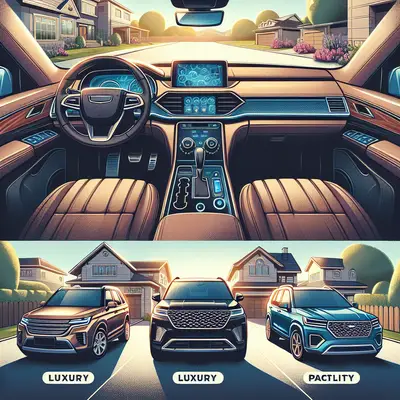
Look for interiors that signal calm and care: soft‑touch materials that are durable yet sophisticated, ambient lighting that can be subtly dialed down for evening drives, and noise‑insulated cabins that encourage conversation rather than chaos. Thoughtful seat design—with proper bolstering for smaller frames and reclining second rows—reduces the fidgeting that often precedes mischief. When a child feels genuinely comfortable, they are far less inclined to “game the system” just to distract themselves.
At the same time, premium doesn’t have to mean fragile. Stain‑resistant upholstery that still looks and feels upscale, robust seatback tablet mounts instead of wobbly add‑ons, and integrated trash solutions all respect the reality of family life without surrendering to it. This is where the modern family SUV becomes something more than a tool: it becomes an aspirational space where young “masterminds” are invited to live up to their best selves, not just test the boundaries of your patience.
Conclusion
The stories circulating today about children behaving like tiny strategists may be entertaining, but they also underscore a truth: families in 2025 need vehicles that are as intelligent and anticipatory as the young passengers they carry. A truly modern family SUV doesn’t just move your household from place to place; it quietly manages digital discipline, curates screen time, structures the cabin to reduce temptation, empowers you with fleet‑level oversight, and uses design to elevate everyone’s behavior.
For parents navigating this new landscape, the most valuable feature is not a single gadget or trim line. It’s a philosophy: an SUV that assumes your children are bright, resourceful, and occasionally cunning—and meets that reality with grace, structure, and a touch of luxury. In an age of “criminal mastermind” kids, the most reassuring companion on the road is a family SUV designed to be just a little bit smarter than they are.
Key Takeaway
The most important thing to remember from this article is that this information can change how you think about Family Features.