Even for the most practical families, an SUV is never just a way to get from A to B. It is a moving extension of home—part reading nook, part snack lounge, part mobile office, part sanctuary between activities. For those who notice the details, the most satisfying family SUVs are not simply well-equipped; they are thoughtfully orchestrated. Beyond cargo numbers and horsepower figures, there are quieter, more refined considerations that shape how an SUV feels to live with, week after week.
Below are five exclusive, often-overlooked insights that can transform the everyday family drive from merely manageable to genuinely enjoyable.
Insight 1: Cabin Layout That Respects Everyone’s Space
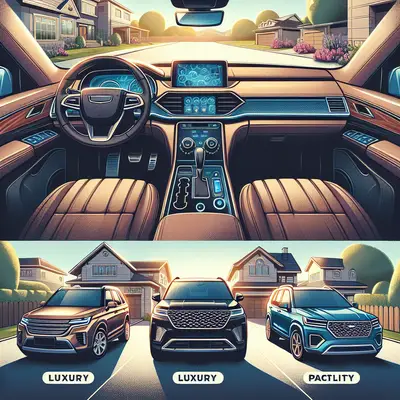
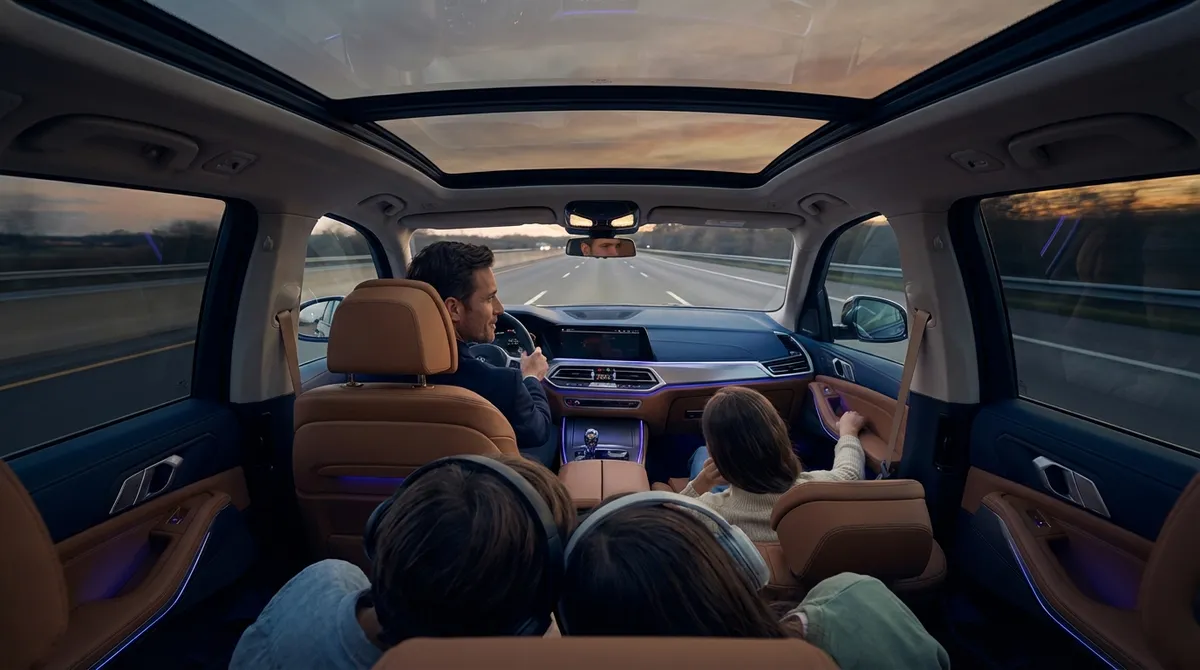
Families quickly discover that it’s not just seating capacity that matters, but how each seat actually functions in daily life. A truly family-centric SUV creates distinct “micro-zones” in the cabin—subtle separations of space that reduce friction and fatigue on longer drives.
Look for second-row designs that allow each passenger to adjust recline and slide independently; this gives older children a sense of autonomy and ensures a better fit for child seats without compromising legroom ahead. Notice whether third-row access demands acrobatics or offers a direct, low-effort pathway even with a child seat installed in the second row.
Premium family layouts also think vertically, not just horizontally. Deep footwells, slim front seatbacks with sculpted knee room, and subtly contoured door panels can make the same interior dimensions feel far more generous. Meanwhile, a flatter, less cluttered floor in the second row greatly improves comfort for a middle passenger and makes it easier for younger children to move across the cabin without tripping over raised tunnels or rails.
Insight 2: Quiet, Controlled Comfort That Calms the Cabin
Noise, vibration, and harshness (NVH) are often discussed in enthusiast circles, but their impact on families is just as profound. A calmer acoustic environment reduces fatigue on long drives, makes conversations easier between rows, and allows children to read, nap, or do homework without being overstimulated by constant background noise.
Pay attention during a test drive to more than just engine sound. Listen for wind noise at highway speeds around the mirrors and pillars, tire roar over coarse pavement, and subtle rattles from the rear area. Premium family SUVs often employ laminated front glass, additional door seals, acoustic insulation in the floor and firewall, and specialized engine mounts to keep the cabin composed.
Also note how the suspension behaves over broken surfaces. The most sophisticated setups maintain a poised ride without feeling floaty, resisting the “head toss” effect that can leave passengers queasy in the third row. For parents who regularly drive on imperfect suburban roads, that poised composure can be the difference between an uneventful commute and a car full of motion-sick children.
Insight 3: Ambient Technology That Serves, Not Distracts
Family SUVs are increasingly defined by screens, but the truly refined examples feel more like well-designed instruments than gadgets clamoring for attention. The goal is intuitive control and unobtrusive information—not a rolling electronics store.
Evaluate how quickly you can perform core functions with minimal distraction: adjusting climate for rear passengers, pulling up navigation, changing audio sources, or activating driver-assistance systems. Large, crisp displays are valuable, but only when paired with logical menus and quick response times. Physical controls for high-frequency tasks—temperature, volume, defrost—remain a strong marker of a family-friendly design.
Wireless smartphone integration, thoughtfully placed charging pads, and rear-seat USB-C ports at reachable heights help keep the family’s devices charged without cable clutter. Bonus points go to systems that allow parents to control rear media or climate discreetly from the front, without creating a negotiation every time someone is too warm, too cold, or mid-episode. The most polished family SUVs blend digital sophistication with a sense of calm restraint, so technology supports family life rather than competing with it.
Insight 4: Storage That Anticipates Real Life, Not Just Luggage
True family practicality is rarely about maximum cargo number on a spec sheet; it is about where smaller items live on a daily basis. The most satisfying SUVs feel as if their designers observed a week of actual family use—the sports practices, grocery runs, road trips, and school drop-offs—and then engineered storage around those rhythms.
Look for a variety of hidden and open storage: deep door pockets that can hold water bottles upright, a center console that can swallow a clutch of small toys or a compact handbag, a covered space for valuables, and small trays for keys, passes, and sunglasses that do not slide around. Under-floor storage in the cargo area can hide bulky yet essential items like stroller adapters, emergency kits, or picnic blankets while maintaining a clean visual aesthetic.
Split-folding and power-folding third rows that create a flat load space make spontaneous cargo needs simple, from estate-sale furniture finds to science fair projects. The most refined designs also consider loading and unloading comfort: a wide, low liftgate opening, a power tailgate with height memory for lower garages, and a sill that is gentle on clothing when you inevitably lean in to secure a backpack at the far side of the cargo area.
Insight 5: Subtle Safety Intelligence That Works in the Background
Sophisticated family SUVs increasingly integrate advanced safety systems, but the best examples feel quietly reassuring rather than intrusive. The technology should enhance a capable, attentive driver—not attempt to replace them.
Pay close attention to how driver-assistance systems behave in traffic. Adaptive cruise control that accelerates and brakes with natural smoothness is far more pleasant for passengers than systems that surge or overreact. Lane-centering features should subtly guide, not “tug” at the wheel. Blind-spot monitoring that extends to rear cross-traffic alerts can significantly ease busy parking-lot exits and school pickup lanes.
Interior safety touches matter just as much: thoughtful placement of side airbags, head restraints that adjust easily for children growing into booster seats, and ISOFIX/LATCH anchor points that are accessible without wrestling fingers between cushions. Some models add conversation mirrors, rear-seat reminder systems, or interior cameras that allow a quick check on a sleeping child without a full mirror adjustment. Individually, these may seem minor; together, they create an environment where safety is not simply a rating, but a quietly integrated part of the daily experience.
Conclusion
For families who value the experience as much as the destination, the right SUV is defined not just by what it can do, but by how it feels to live with every day. Cabin layout that respects personal space, a hushed and composed ride, technology that remains gracefully in the background, storage that fits real life, and intelligent safety that protects without overwhelming—these are the nuances that distinguish an acceptable family vehicle from a deeply satisfying one.
When you next step into a showroom or take a test drive, look beyond the headline features and price tags. Sit in every row. Open every storage panel. Drive on imperfect roads. Listen, feel, and imagine an ordinary Tuesday, not just an idealized road trip. The SUVs that shine in that quiet, everyday reality are the ones that will genuinely elevate your family’s journeys for years to come.
Sources
- National Highway Traffic Safety Administration (NHTSA) – 5-Star Safety Ratings - Official U.S. government crash test ratings and safety information for SUVs and other vehicles
- Insurance Institute for Highway Safety (IIHS) – Ratings - Independent safety evaluations, including crashworthiness and crash-avoidance technology assessments
- Edmunds – Car Interior Noise Levels and Comfort - Discussion and measurements of cabin quietness and comfort characteristics in modern vehicles
- Consumer Reports – Guide to Car Seating and Cargo - Practical insights into seating layouts, child-seat compatibility, and real-world cargo usability
- BMW Group – Acoustic Comfort in Vehicles - Technical overview of how premium manufacturers engineer noise control and ride refinement
Key Takeaway
The most important thing to remember from this article is that this information can change how you think about Family Features.